

WeVote

Bill

Bill

SF 950

Salvage vehicle auction notice requirements provision and authorizing insurers to apply for vehicle title when vehicle is acquired through payment of damages

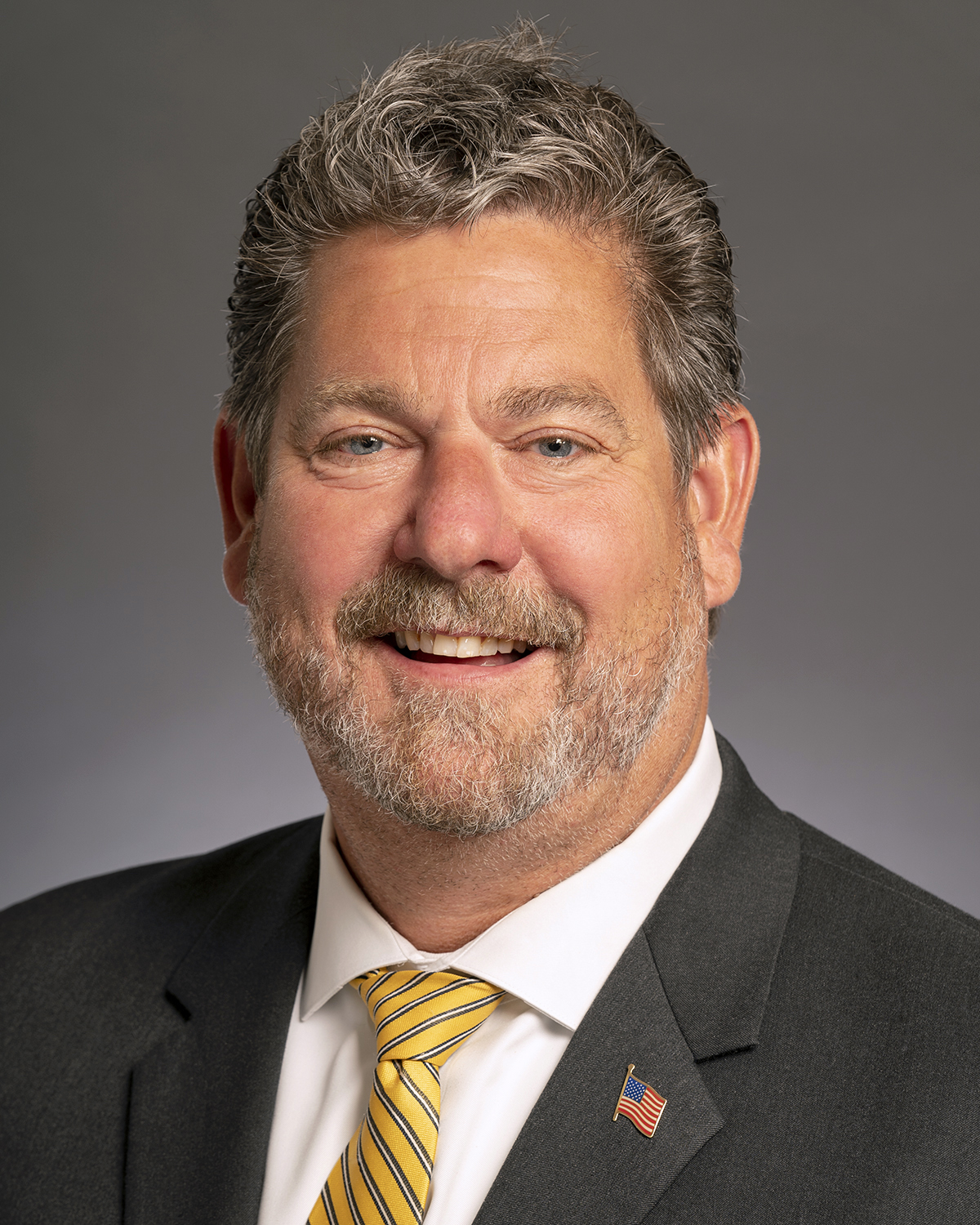
2025-2026 Regular Session Introduced by John Jasinski

SF 950 would authorize insurers to apply for a vehicle title when they acquire a damaged vehicle through payment of damages.

Comm report: To pass as amended and re-refer to Commerce and Consumer Protection
0
WeVote Research Nonpartisan
Bill Summary · SF 950

Summary of SF 950 – Salvage Vehicle Auction Notice Requirements Provision and Authorizing Insurers to Apply for Vehicle Title

Overview

SF 950 proposes changes related to salvage vehicle auctions and the process by which insurers can obtain vehicle titles when a vehicle is acquired through payment of damages. The bill falls under topics for Commerce, Insurance-Motor Vehicles, Motor Vehicle Registration and Licensing, and Taxation, and is currently moving through the committee process in Minnesota.

  • Introduced: February 3, 2025
  • Current status: Committee report indicates “To pass as amended and re-refer to Commerce and Consumer Protection” (committee action on February 13, 2025)
  • Related companion: HF 1406

What the bill would do (Key Provisions)

  • Salvage vehicle auction notice requirements

    • The bill would establish or revise notice requirements related to salvage vehicle auctions. This concerns how salvage auctions must be announced or what information must be provided to relevant parties (e.g., owners, potential buyers, or regulatory bodies). Specifics (who must be notified, timing, and format) are not detailed in the provided summary, but the core intent is to tighten or clarify the notice framework surrounding salvage auctions.
  • Title application by insurers for damage-paid vehicles

    • The bill would authorize insurers to apply for a vehicle title in cases where the insurer acquires the vehicle through payment of damages. In other words, when an insurer compensates a vehicle owner for damages and takes ownership as part of the settlement, the insurer would have a clear path to obtain or apply for the vehicle’s title.

Who would be affected

  • Insurance companies and other entities involved in motor vehicle claims that result in salvage or ownership transfers through payment of damages.
  • Salvage auction operators and prospective buyers who participate in salvage vehicle markets and rely on established notice procedures.
  • Vehicle owners who are involved in salvage-related settlements and transfers.
  • State agencies responsible for vehicle title issuance and registration (e.g., the state’s motor vehicle administration or equivalents), which would administer the new notice requirements and title-application processes.

Procedural and timeline aspects

  • Introduction and first reading: February 3, 2025
  • Referred to: Transportation (initial referral)
  • Committee action: February 13, 2025 – “Comm report: To pass as amended and re-refer to Commerce and Consumer Protection”
  • Next steps (as of the provided information): If amended, the bill would be re-referred to Commerce and Consumer Protection for further consideration
  • Legislative linkage: Companion bill HF 1406

Potential impact and considerations

  • Administrative clarity: Providing explicit salvage auction notice requirements and a defined pathway for insurers to obtain titles could improve transparency and efficiency in salvage transactions.
  • Market implications: Insurers gaining a streamlined title process may affect timing and cost of salvage vehicle transfers and settlements.
  • Regulatory alignment: The measures would affect how agencies handle notices and titles, potentially impacting motor vehicle registration and licensing workflows.

This summary reflects the information available from the bill’s introduce and committee actions. For precise statutory changes, exact notice language, and the full scope of impacted statutes, the bill’s text and any amended language would be the primary sources.

Compiled from official sources — confirm details with the bill’s official record.

Sign in to ask a question.