

WeVote

Bill

Bill

HR 7466

SAFE CATTLE Act

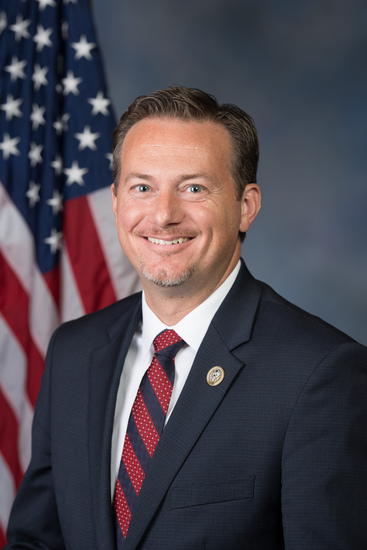
119th Congress Introduced by Michael Cloud and 8 co-sponsors

Creates a formal interagency framework (USDA and DOI) to prevent, detect, and eradicate New World screwworm on covered federal lands, protecting livestock and the economy.

Introduced in House
0
WeVote Research Nonpartisan
Bill Summary · HR 7466

Overview

  • Bill: H.R. 7466
  • Session: 119th Congress
  • Title: Safeguarding America’s Food Economy and Controlling Agricultural Threats to Livestock and Enterprises Act (SAFE CATTLE Act)
  • Purpose: Direct the Secretaries of Agriculture and the Interior to establish interagency cooperation to prevent, control, and eradicate New World screwworm (Cochliomyia hominivorax) in wildlife and non-livestock species on specified Federal lands, and to provide ongoing reporting on interagency coordination and progress.

Primary Objective

  • Create a formal interagency framework to address New World screwworm on covered federal lands, focusing on wildlife and non-livestock species, to protect domestic livestock, agriculture, and the broader economy.

Key Provisions

  • Interagency Agreement (Section 2(a))
    • Within 180 days of enactment, the Secretary of Agriculture and the Secretary of the Interior must enter into a memorandum of understanding (MOU) or similar interagency agreement.
    • Aims include:
    • Coordinating surveillance and monitoring protocols for early detection of screwworm in wildlife and non-livestock on covered lands.
    • Coordinating outbreak response and containment efforts, including working with State wildlife and livestock health officials on response procedures, information sharing, and notification.
    • Coordinating eradication protocols to protect wildlife and non-livestock on covered lands, reduce threats to domestic animal agriculture, and safeguard the domestic food supply and economy.
    • Developing science-based and risk-based approaches to maintain business continuity for non-infected animals and non-contaminated areas on covered lands.
  • Reporting Requirement (Section 2(b))
    • An annual report due for as long as needed:
    • Deadline: Not later than one year after enactment, and annually thereafter until the Secretary of Agriculture certifies that screwworm has been quarantined south of the Darién Gap in Panama.
    • Contents:
      • Extent of interagency coordination among Federal agencies involved.
      • Progress on surveillance and prevention of outbreaks.
      • Incidents of screwworm infestation in the United States and collaborative control efforts.
      • Recommendations for legislative or administrative action to improve Federal response capacity.
  • Covered Lands (Section 2(c))
    • Definition: “Covered lands” are lands managed by:
    • National Park Service
    • United States Fish and Wildlife Service
    • Bureau of Land Management
    • Bureau of Reclamation
    • Forest Service

Affected Parties and Scope

  • Federal agencies: U.S. Department of Agriculture (USDA) and Department of the Interior (DOI) are the primary agencies required to coordinate.
  • Landscape scope: Federal lands managed by NPS, FWS, BLM, Reclamation, and the Forest Service.
  • Wildlife and non-livestock species: Focus on preventing, detecting, containing, and eradicating screwworm in wildlife and species other than livestock on covered lands.
  • Implications for domestic agriculture: Aims to stabilize and reduce risk to domestic animal agriculture, safeguard the food supply, and protect the economy by coordinating eradication and prevention efforts.

Procedural and Timeline Aspects

  • Enactment-to-action timeline:
    • Within 180 days after enactment: Interagency MOU/agreements to be established.
    • Ongoing: Annual reporting to Congress until screwworm is quarantined south of the Darién Gap.
  • Certification trigger for reporting cadence:
    • The annual reporting requirement continues until the Secretary of Agriculture certifies that New World screwworm has been quarantined south of the Darién Gap in Panama.
  • Stakeholders for reporting:
    • House Committees: Agriculture and Natural Resources
    • Senate Committees: Agriculture, Nutrition, and Forestry; Energy and Natural Resources

Potential Impact and Considerations

  • Enhanced coordination: Builds a formal framework for interagency collaboration on surveillance, response, and eradication on federal lands.
  • Proactive disease management: Emphasizes early detection and science-based, risk-based approaches to protect wildlife, non-livestock species, and the domestic agricultural sector.
  • Data and transparency: Regular reporting requirements could improve transparency and inform future policy or funding decisions.
  • Operational scope limitation: Applies specifically to “covered lands” under listed federal agencies, not necessarily extending to all private or state lands unless coordinated.

If you’d like, I can provide a side-by-side comparison with existing screwworm programs or draft a one-page briefing for policymakers.

Compiled from official sources — confirm details with the bill’s official record.

Sign in to ask a question.