

WeVote

Bill

Bill

HB 1171

Revenue and taxation; sales tax exemption; nonprofit entities; limitation on gross revenues; exception for alcohol and tobacco; effective date; emergency.

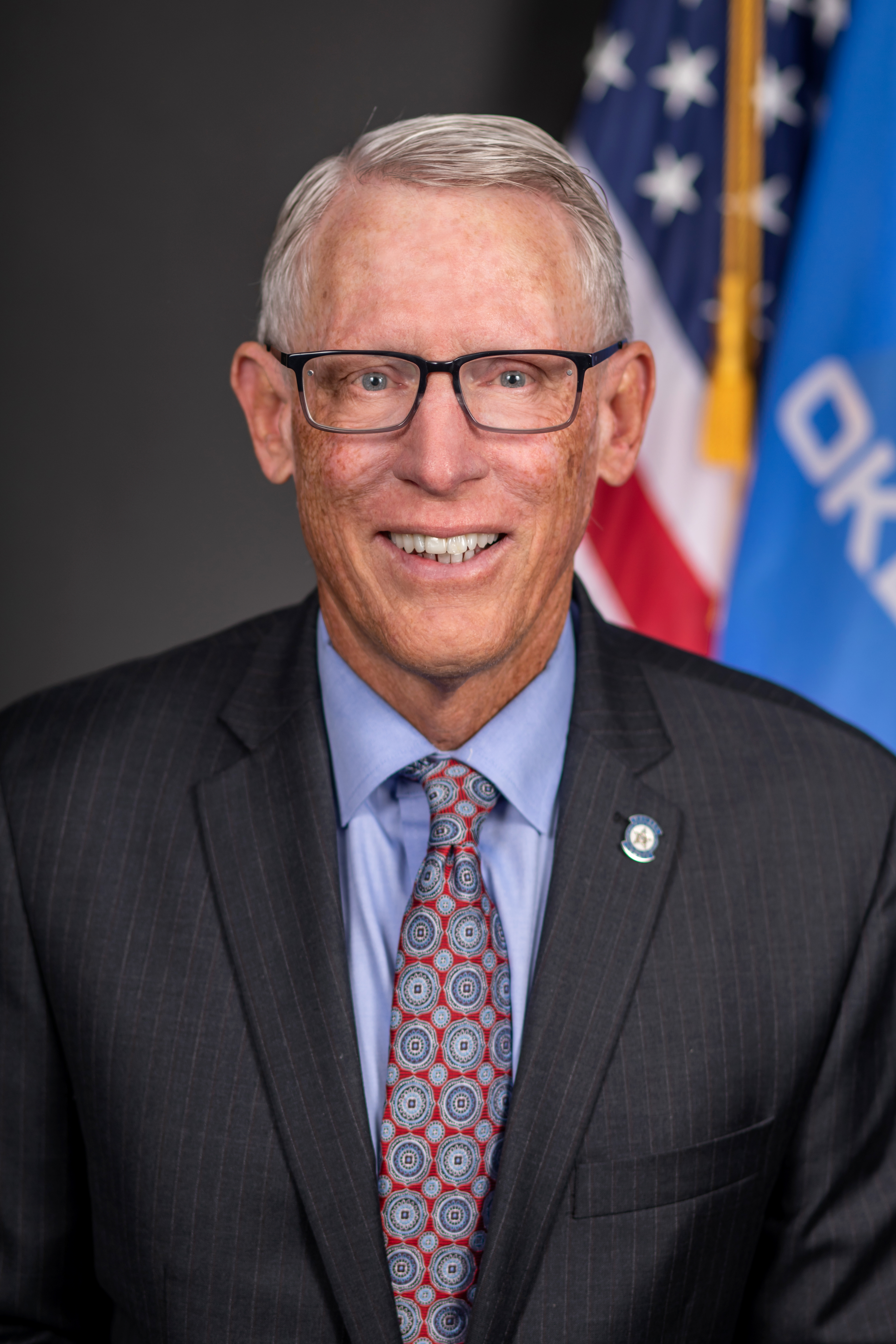
2025 Regular Session Introduced by Dave Rader and 1 co-sponsor

Establishes a law enforcement family scholarship program providing 50% of tuition (less other aid) to dependents of ND law enforcement personnel, funded by a $5 million appropriati

Referred to Appropriations and Budget Finance Subcommittee
0
WeVote Research Nonpartisan
Bill Summary · HB 1171

HB 1171 — Law Enforcement Family Scholarship Program (North Dakota)

Status (as provided): Second reading, failed to pass (yeas 14, nays 79). Introduced November 12, 2024.

Purpose / Intent

Establish a state scholarship program to help dependents of law‑enforcement‑related personnel attend institutions under the State Board of Higher Education (SBHE). The program is intended to reduce tuition costs for eligible students and provide support to families of those who serve in public‑safety roles.

Key provisions

  • Creates a new section in chapter 15‑10 of the North Dakota Century Code establishing the “law enforcement family scholarship program.”
  • Definitions:
    • “Law enforcement officer” — includes correctional officers, emergency services providers (EMS personnel), firefighters (employed by a political subdivision, excluding National Guard firefighters), and peace officers. To qualify as a law enforcement officer under this bill, the individual must have served full‑time in North Dakota for at least three years.
    • “Eligible student” — an individual for whom a law enforcement officer claimed a dependency exemption on the officer’s previous‑year tax return and who is enrolled at an institution of higher education governed by the SBHE.
    • Other definitional cross‑references: correctional officer (per Dept. of Corrections training & NDCC 12‑44.1‑01), EMS per NDCC 23‑27‑02.
  • Administration:
    • The SBHE is directed to administer the scholarship program and adopt necessary procedures.
    • The SBHE must implement an application/grant process and award scholarships to qualifying applicants.
  • Scholarship amount:
    • Each scholarship equals 50% of the student’s tuition, reduced by any other grants and scholarships the student receives (i.e., scholarship = 50% of tuition less other grant/scholarship aid).
  • Appropriation:
    • A one‑time appropriation (biennial) of $5,000,000 from the general fund to the Board of Higher Education for distributing scholarships during the biennium beginning July 1, 2025 and ending June 30, 2027.

Who is affected

  • Direct beneficiaries: eligible students (dependents of qualifying law‑enforcement personnel) who attend SBHE institutions in North Dakota.
  • Indirectly affected: law‑enforcement personnel (families benefit), SBHE (program administration), state budget/general fund (initial $5 million appropriation), and participating institutions (receiving students with reduced tuition obligations).

Fiscal/timeline notes

  • Explicit appropriation: $5,000,000 for the 2025–2027 biennium (July 1, 2025 – June 30, 2027).
  • No sunset or ongoing funding specified in the statute text provided; the appropriation funds the initial biennium.
  • Provided legislative status indicates the bill did not pass on second reading (yeas 14 / nays 79). (Documents in the packet include materials from multiple jurisdictions and versions; confirm final status with the North Dakota Legislative Assembly website or official records.)

Potential impacts / considerations

  • Budgetary: immediate $5M cost if enacted; ongoing costs would depend on continuation or renewal of the program and award rates.
  • Policy: could improve access to higher education for law‑enforcement families and serve as a recruitment/retention incentive for public‑safety roles.
  • Administrative: SBHE will need to adopt procedures and manage awards; institutions must coordinate financial aid offsets to ensure scholarships reduce tuition as specified.

Note: The packet includes multiple, unrelated versions of other jurisdictions’ HB 1171 bills. The summary above focuses on the North Dakota bill text and appropriation provided. For the final legal status and any enacted amendments, consult the official North Dakota Legislative Assembly records.

Compiled from official sources — confirm details with the bill’s official record.

Sign in to ask a question.