

WeVote

Bill

Bill

HB 2260

Revenue and taxation; income tax credit; civil engineering; effective date.

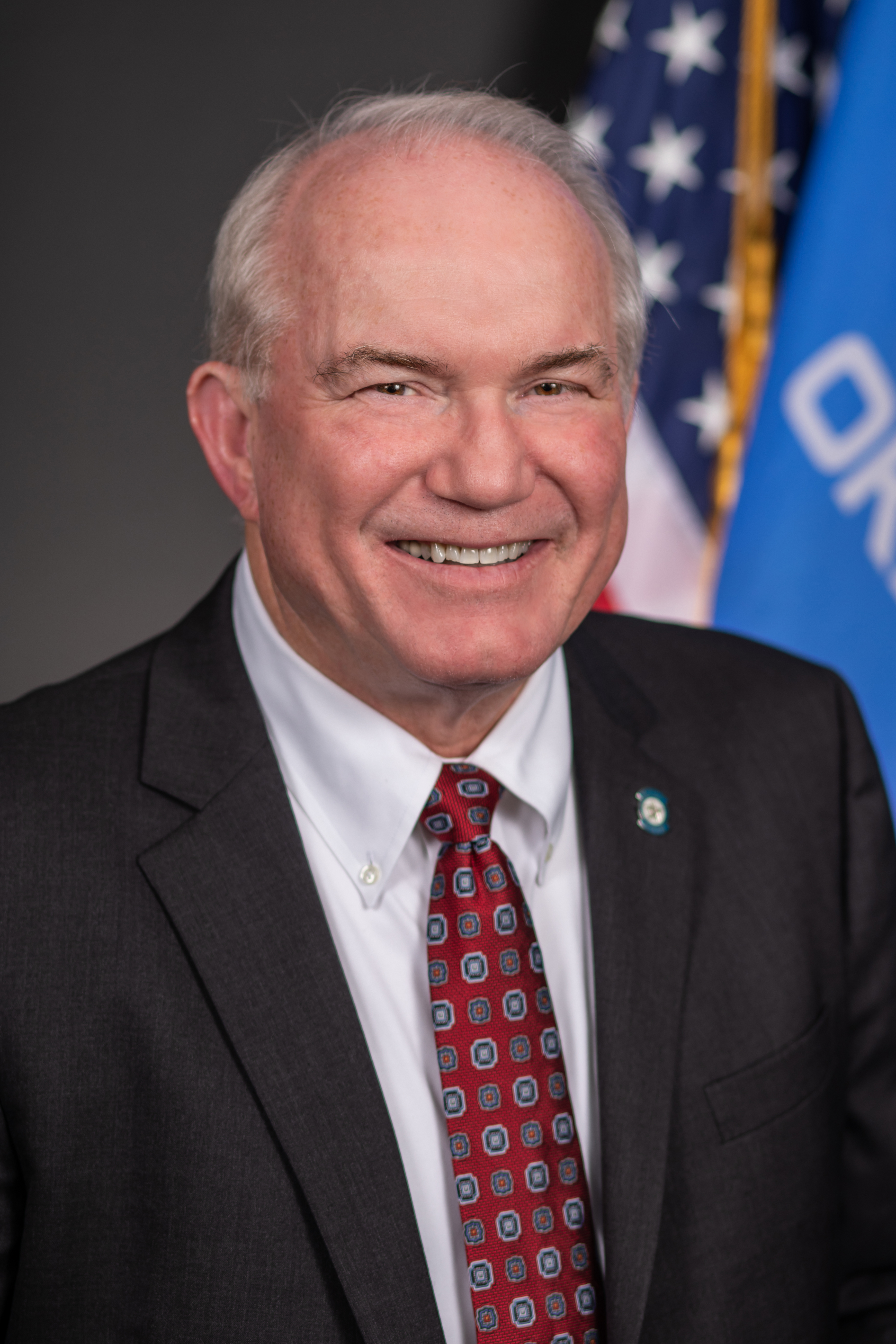
2025 Regular Session Introduced by John Haste and 1 co-sponsor

Kansas HB 2260 would bar drivers from using electronic communication devices while operating a vehicle on public roads, with limited hands-free exceptions and penalties.

Filed with Secretary of State
0
WeVote Research Nonpartisan
Bill Summary · HB 2260

Summary — HB 2260 (Introduced 2025): Prohibiting use of electronic communication devices while operating a motor vehicle

Status: Referred to Committee on Transportation (introduced Jan. 30, 2025)
Primary focus: Prohibit use of electronic communication devices while operating motor vehicles; define devices and exceptions; create related offenses and penalties; repeal K.S.A. 8-15,111.

Note on sources: Multiple unrelated bills in other states also carry the number HB 2260; this summary addresses the transportation/driver electronic-device bill text and the Kansas fiscal note provided.

Purpose and intent

The bill seeks to reduce distracted driving by broadly prohibiting drivers from using electronic communication devices while operating a motor vehicle on public roadways. It establishes definitions, describes prohibited conduct, creates exceptions, limits certain enforcement practices, and provides penalties (the introduced text indicates a new offense but full penalty text is not included in the excerpt).

Key provisions

  • Definitions

    • “Electronic communication device” — a broad list including cellular phones, tablets, laptops, text-messaging devices, handheld computers, personal communication devices, pagers, etc.
    • Excludes certain devices: amateur/CB radios, permanently affixed GPS/security/navigation/remote-diagnostic systems, prescribed medical devices, subscription emergency devices, commercial two-way radios (and equivalents).
    • Distinguishes “commercial motor vehicle” vs. “noncommercial motor vehicle,” and defines “operating” and “voice-operated or hands-free feature.”
  • Prohibited conduct (while operating a vehicle)

    • Physically holding/supporting an electronic device.
    • Writing/sending/reading text-based communications (texts, IMs, e‑mail, social media).
    • Making communications (calls, voice messages).
    • Engaging in electronic data retrieval/communication or manually entering characters into apps/websites.
    • Watching videos or movies (except vehicle navigation-related data).
    • Recording/posting/broadcasting video (including video conferences).
  • Specific rules for school buses

    • School bus drivers may not use devices while the bus is in motion except for two-way-radio–style live communications with officials; no device/two‑way use while loading/unloading.
  • Exceptions (selected)

    • Law enforcement and emergency personnel acting in official duties.
    • Reporting or continuing communication about an emergency.
    • Use of voice-operated / hands‑free functions for noncommercial drivers.
    • Commercial drivers may use voice-operated / hands‑free if seated and belted; limited allowance for permanently installed screens (max size spec in bill).
    • Use while vehicle is lawfully stopped/parked; mounted/affixed device uses to relay dispatch/ride‑share info; navigation/map viewing; audio listening; operator‑monitoring systems that continuously record; certain roadside-assistance contexts.
  • Enforcement and search limits

    • Officers stopping a noncommercial vehicle for a violation must inform the driver of their right to decline a search of the device.
    • A warrant to access/confiscate a device cannot be issued based solely on this violation unless the violation results in great bodily harm or death.
    • Violation cannot be used to establish probable cause for other offenses.
    • The bill prohibits stopping, inspecting, or detaining someone solely for this violation.
  • Implementation timing

    • The introduced text includes a transitional enforcement provision: from the bill’s effective date until Jan. 1, 2026, officers are to issue warnings to drivers of noncommercial vehicles (text truncated in available excerpt).
  • Statutory cleanup

    • Repeals K.S.A. 8-15,111 (existing statute not included in the excerpt).

Penalties and fiscal impact

  • The bill creates a new offense; the text excerpt does not list a specific fine or criminal classification.
  • Kansas Division of the Budget fiscal note:
    • Enactment could increase district court filings (new cases), producing docket fees and fines deposited to the State General Fund, but a precise fiscal estimate was not provided.
    • Kansas Sentencing Commission notes possible increases in prison admissions and workload but cannot quantify fiscal impact.
    • Kansas Department of Transportation expects any increase to two specific funds (Traffic Records Enhancement Fund: 2.23% share; Seat Belt Safety Fund: 2.2% share of district court fines) would be negligible.
    • Kansas Highway Patrol reports no fiscal effect; cities likely negligible effect; counties note possible additional ticketing/prosecutions but no estimate.

Who is affected

  • All drivers on public roadways (noncommercial and commercial), with specific rules for school bus operators and commercial drivers.
  • Law enforcement agencies (new enforcement procedures; warning period).
  • Judicial branch and local prosecutors (new cases/processing).
  • State funds and safety-related funds that receive portions of district court fines (potential small revenue increases).

Significant procedural notes

  • The introduced bill text in the available materials is truncated in a few places (penalty language and the full transitional enforcement clause are not fully shown).
  • Fiscal note and agency responses are from the Kansas Division of the Budget (dated Feb. 16, 2025).

If you want, I can:
- Extract or draft possible enforcement/penalty language consistent with similar distracted-driving statutes for comparison; or
- Produce a one‑page handout summarizing driver do’s/don’ts and enforcement limits for public education.

Compiled from official sources — confirm details with the bill’s official record.

Sign in to ask a question.