

WeVote

Bill

Bill

HB 1427

Revenue and taxation; clean burning motor vehicle fuels; insurance premium tax credits.

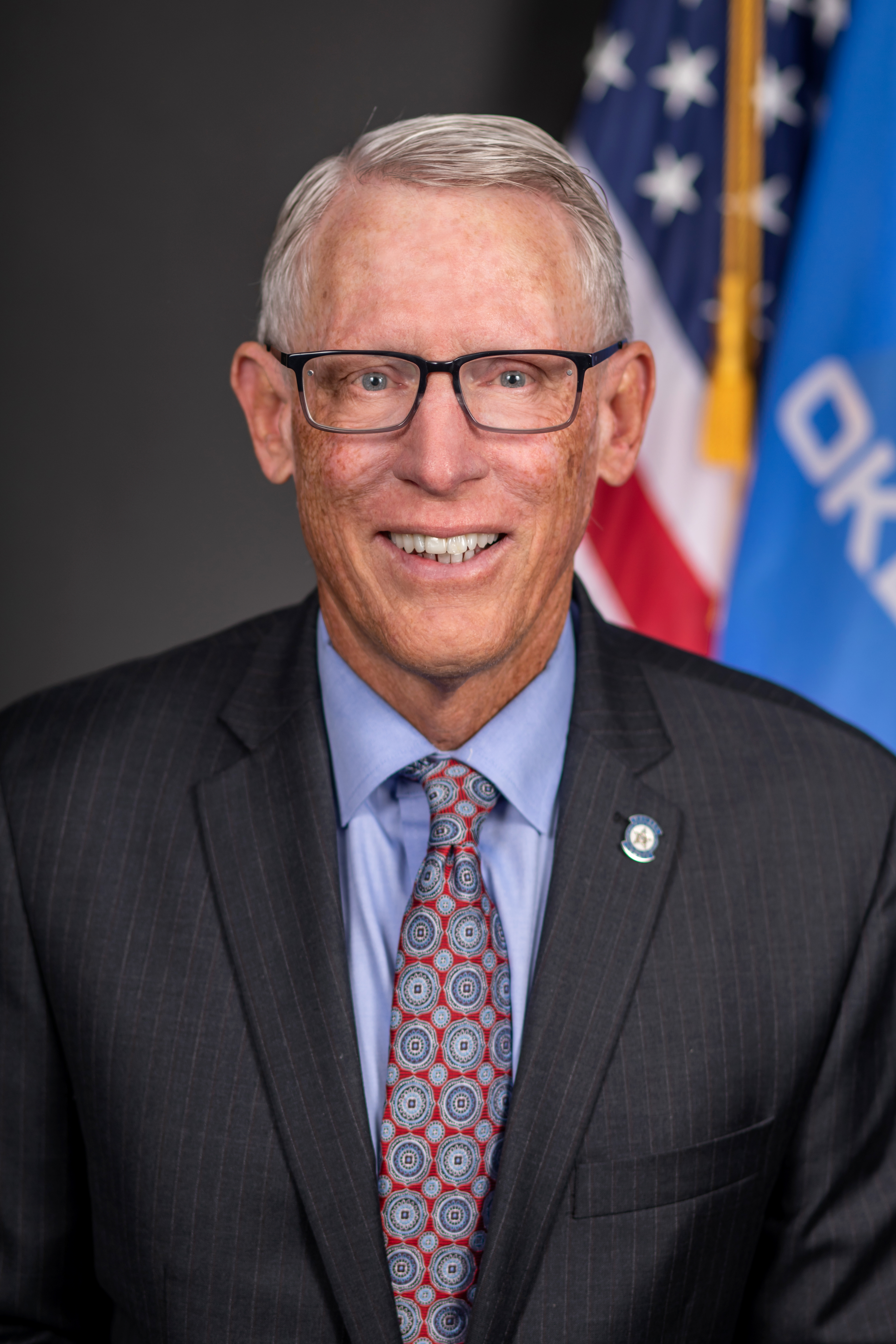
2025 Regular Session Introduced by Dave Rader and 1 co-sponsor

Oklahoma HB 1427 creates insurance premium tax credits tied to clean burning motor vehicle fuels to incentivize alternative fuel adoption or production.

Remains on Third Reading
0
WeVote Research Nonpartisan
Bill Summary · HB 1427

Legislative bill overview

HB 1427 modifies Oklahoma's tax code to provide insurance premium tax credits related to clean burning motor vehicle fuels. The bill appears to create financial incentives through the state's insurance premium tax system to encourage the use or production of cleaner-burning fuel alternatives. The recent parliamentary actions indicate the bill has undergone amendments and faced some legislative resistance before being restored to third reading.

Why is this important

Insurance premium tax credits represent a mechanism to influence consumer and industry behavior toward environmental goals while generating state revenue. Oklahoma's approach could affect fuel markets, insurance costs, and state tax revenue, while signaling the state's policy direction on fuel standards and emissions. This intersects with both energy policy and fiscal considerations that impact businesses and consumers statewide.

Potential points of contention

  • Revenue impact: Tax credits reduce state insurance premium tax revenue; unclear whether credits are offset by other provisions or represent a net budget cost
  • Definition of "clean burning": The bill's specific standards for qualifying fuels may favor certain fuel types (ethanol, natural gas, hybrid technology) over others, potentially creating market distortions
  • Beneficiary clarity: Ambiguous whether credits benefit fuel producers, distributors, vehicle owners, or insurance companies—affecting who bears costs and enjoys benefits

Compiled from official sources — confirm details with the bill’s official record.

Sign in to ask a question.