

WeVote

Bill

Bill

SF 2544

Retired peace officers eligibility to participate in the state insurance program authorization; college degree holders program to complete peace officer education and training establishment; appropriating money

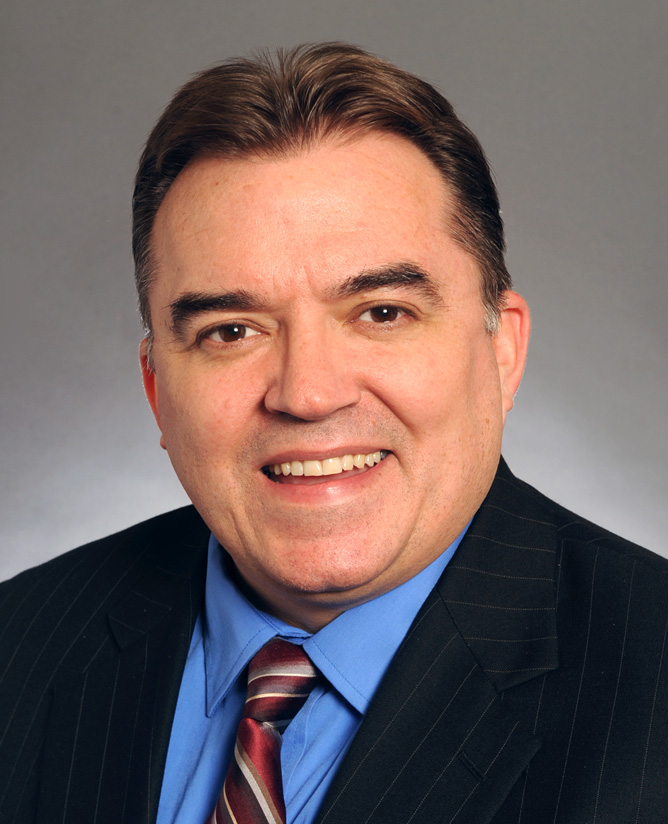
2025-2026 Regular Session Introduced by John Hoffman and 1 co-sponsor

Expands retired peace officers’ eligibility for the state insurance program and creates a college-degree-to-peace-officer training pathway, with funding.

Referred to Judiciary and Public Safety
0
WeVote Research Nonpartisan
Bill Summary · SF 2544

SF 2544 — Summary

Bill at a Glance

  • Bill number: SF 2544
  • Title: Retired peace officers eligibility to participate in the state insurance program authorization; college degree holders program to complete peace officer education and training establishment; appropriating money
  • Status: Referred to Judiciary and Public Safety
  • Introduced: March 13, 2025
  • Companion: HF 2301

Purpose and Intent

SF 2544 appears to seek two core changes related to Minnesota peace officers and public safety staffing:
1) Expand eligibility for retired peace officers to participate in the state insurance program.
2) Create a program for college degree holders to complete the required peace officer education and training, presumably to support recruitment or conversion pathways into peace officer roles.

The bill is also an appropriations measure, indicating that it would authorize state funding to support the programs or eligibility expansions described.

Key Provisions (Based on Title and Introduction)

  • State insurance program eligibility for retired peace officers: The bill would authorize or permit retired peace officers to participate in Minnesota’s state insurance program (specific program name and eligibility criteria would be defined in the full text). This could affect premium sharing, benefits, and enrollment rules for retirees.
  • College degree holders program for peace officer education and training: The bill would establish a program designed to allow individuals holding a college degree to complete the peace officer education and training requirements. This suggests a pathway to qualify for peace officer employment or certification through a structured course/training sequence.
  • Appropriations: The bill would appropriate money—likely to fund the insurance eligibility expansion, the new education/training program, and related administrative costs.

Who Would Be Affected

  • Retired peace officers: Potential access to the state’s insurance program if the bill becomes law.
  • College degree holders interested in law enforcement: A new pathway to complete required education and training to become peace officers.
  • State agencies and public safety departments: Administration of insurance enrollment and oversight/implementation of the training program.
  • Minnesota government finances: Net cost/savings contingent on the size of enrollment and program design.

Procedural and Timeline Aspects

  • Current status: Introduced March 13, 2025; referred to Judiciary and Public Safety.
  • Process: As a bill, it may receive committee hearings, potential amendments, and votes in both chambers. The companion bill is HF 2301, which may move in the House with parallel provisions.

Potential Impact and Considerations

  • Could improve retiree benefits access through the state insurance program.
  • Creates a deliberate pathway for degree holders to enter or advance in peace officer roles, potentially aiding recruitment and workforce development.
  • Impacts on state budget through new appropriations; specifics would depend on enacted funding levels, duration, and program design.
  • Implementation details (eligibility criteria, enrollment procedures, training standards, timelines) would be found in the bill text and any accompanying fiscal notes or policy analyses.

Next Steps for Readers

  • Review the full bill text and any fiscal notes for exact eligibility rules, funding amounts, and program requirements.
  • Monitor committee hearings in Judiciary and Public Safety for amendments and policy discussions.
  • Check for the companion HF 2301 updates to understand cross-chamber alignment.

Compiled from official sources — confirm details with the bill’s official record.

Sign in to ask a question.