

WeVote

Bill

Bill

HR 9220

Restore Military Families’ Voices Act

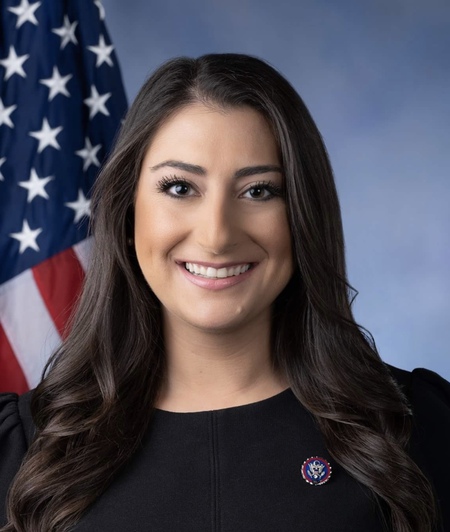
119th Congress Introduced by Sara Jacobs

The bill bars landlords from requesting nondisclosure agreements in privatized military housing and broadens retaliation protections by expanding reporting channels and oversight.

Introduced in House
0
WeVote Research Nonpartisan
Bill Summary · HR 9220

Overview

  • Bill: H.R. 9220
  • Session: 119th Congress
  • Title: Restore Military Families’ Voices Act
  • Purpose: Amend title 10 U.S. Code to modify nondisclosure agreements related to privatized military housing and to expand protections against retaliation for tenants who raise concerns or report issues in privatized housing.

  • Introduced: June 9, 2026 by Rep. Sara Jacobs (co-sponsor)

  • Committee: House Committee on Armed Services

  • Summary status: Referred to the House Committee on Armed Services

What the bill aims to change

  1. Nondisclosure agreements in privatized military housing

    • Replaces a prohibition on requiring tenants to sign nondisclosure agreements with a prohibition on landlords requesting such signatures.
    • Expands the prohibition to cover not only tenants and prospective tenants, but also services provided in connection with the housing unit.
    • Broadens the scope to apply to all housing units, including:
      • Accompanied family housing
      • Military unaccompanied housing
    • The term “tenant” is clarified to include any party to a lease other than the landlord.
  2. Protection from retaliation for tenants

    • Expands who may be protected when reporting or addressing issues related to privatized housing.
    • Updates the retaliation language to explicitly include:
      • The landlord
      • The chain of command
      • The housing management office
      • The Chief Housing Officer of the Department of Defense
      • An inspector general
      • A Member of Congress
    • Adds a reporting requirement for retaliation:
      • The Inspector General must notify the relevant Secretary of the military department and the Armed Services Committees within 10 business days after receiving a report of retaliation.
  • Clarifies and expands the flow of information and accountability in retaliation investigations, ensuring multiple channels for lodging concerns and increasing transparency.

Who is affected

  • Tenants and prospective tenants of privatized military housing (including:
    • Accompanied family housing
    • Unaccompanied military housing)
  • Landlords and housing management entities operating privatized military housing
  • Department of Defense and its leadership (Chief Housing Officer)
  • Inspector General offices
  • Members of Congress
  • Military departments and their respective Secretaries

Key provisions and details

  • Section 2 (Nondisclosure):

    • Landlords may not request a tenant, former tenant, or prospective tenant to sign a nondisclosure agreement.
    • Applies to services related to housing units.
    • Broadens definition of “tenant” to include all lease parties beyond just the tenant.
  • Section 3 (Protection from retaliation):

    • Expands retaliation reporting channels beyond the housing management office to include the Chief Housing Officer, IG, and Members of Congress.
    • Requires IG to notify the relevant Secretary and congressional committees within 10 business days of a retaliation report.
    • In redesignated provisions, requires the Secretary to inform the IG once final action is taken, enhancing accountability and oversight.

Timeline and procedural aspects

  • The bill was introduced on June 9, 2026 and referred to the House Committee on Armed Services.
  • No specific effective dates or implementation timeline are provided in the text excerpt; typically, passage would involve standard timelines for enactment and regulatory implementation, subject to Senate consideration and presidential signature.

Potential impacts

  • Strengthened protections for service members and their families against forced nondisclosure related to housing conditions or experiences in privatized housing.
  • Increased transparency and multi-channel avenues for reporting housing-related concerns and retaliation.
  • Enhanced oversight by IGs and congressional committees, potentially improving responsiveness from the DoD and housing providers.
  • Clearer definition of who is protected and who can participate in whistleblowing or complaint processes.

If you’d like, I can tailor this summary for a specific audience (e.g., policymakers, military families, legal professionals) or extract a side-by-side comparison with current law.

Compiled from official sources — confirm details with the bill’s official record.

Sign in to ask a question.