

WeVote

Bill

Bill

SF 2200

Restorative practices statements and documents inadmissibility in civil and criminal proceedings establishment and data classification provision

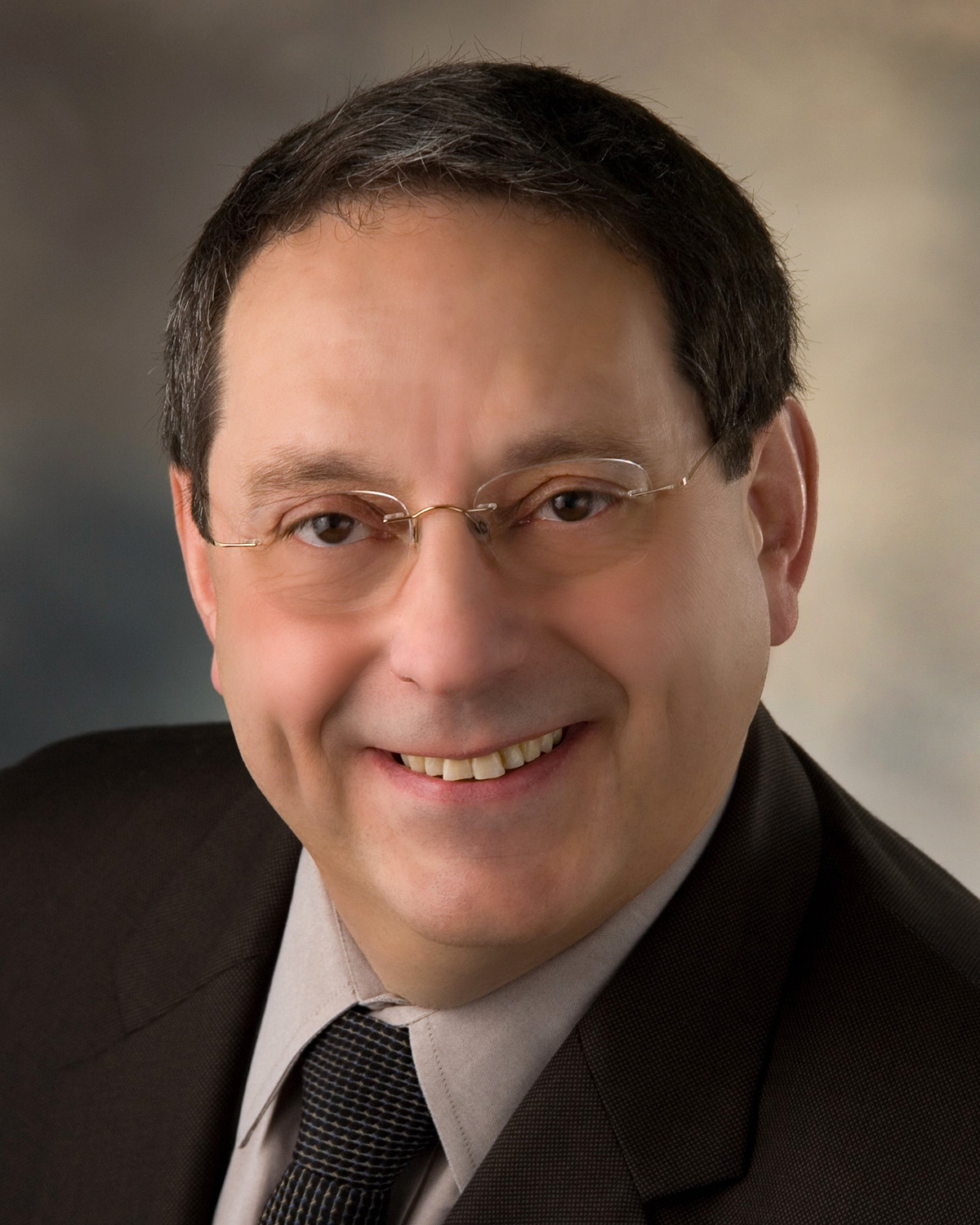
2025-2026 Regular Session Introduced by Jim Carlson and 8 co-sponsors

Minnesota law shields statements made during restorative justice programs from court use, protecting confidentiality to encourage genuine participation in conflict resolution.

Effective date 08/01/2025
0
WeVote Research Nonpartisan
Bill Summary · SF 2200

Legislative bill overview

SF 2200 establishes that statements and documents produced during restorative justice practices are inadmissible as evidence in civil and criminal proceedings. The bill also creates a data classification system for restorative practice materials to protect their confidentiality and encourage candid participation in these conflict resolution processes.

Why is this important

Restorative justice programs rely on honest dialogue between offenders, victims, and community members to repair harm and prevent future offenses. By shielding these conversations from legal proceedings, the law removes a significant barrier that might prevent people from participating authentically, potentially expanding these programs' effectiveness and reach.

Potential points of contention

  • Victim protection concerns: Victims may worry that confidentiality protections prevent them from using evidence of harm or admissions in their own legal cases, potentially disadvantaging them in court.
  • Defense strategy limitations: Criminal defendants cannot use exculpatory statements made during restorative sessions as evidence in their own defense, creating asymmetrical protection.
  • Scope ambiguity: The bill's definition of what constitutes "restorative practice" materials and which documents qualify for protection could create litigation over admissibility determinations.

Compiled from official sources — confirm details with the bill’s official record.

Sign in to ask a question.