

WeVote

Bill

Bill

SR 12

Resolution; recognizing April 6 through April 12 as National Crime Victims’ Rights Week and recognizing Wednesday, April 9, 2025, as Victims’ Rights Day.

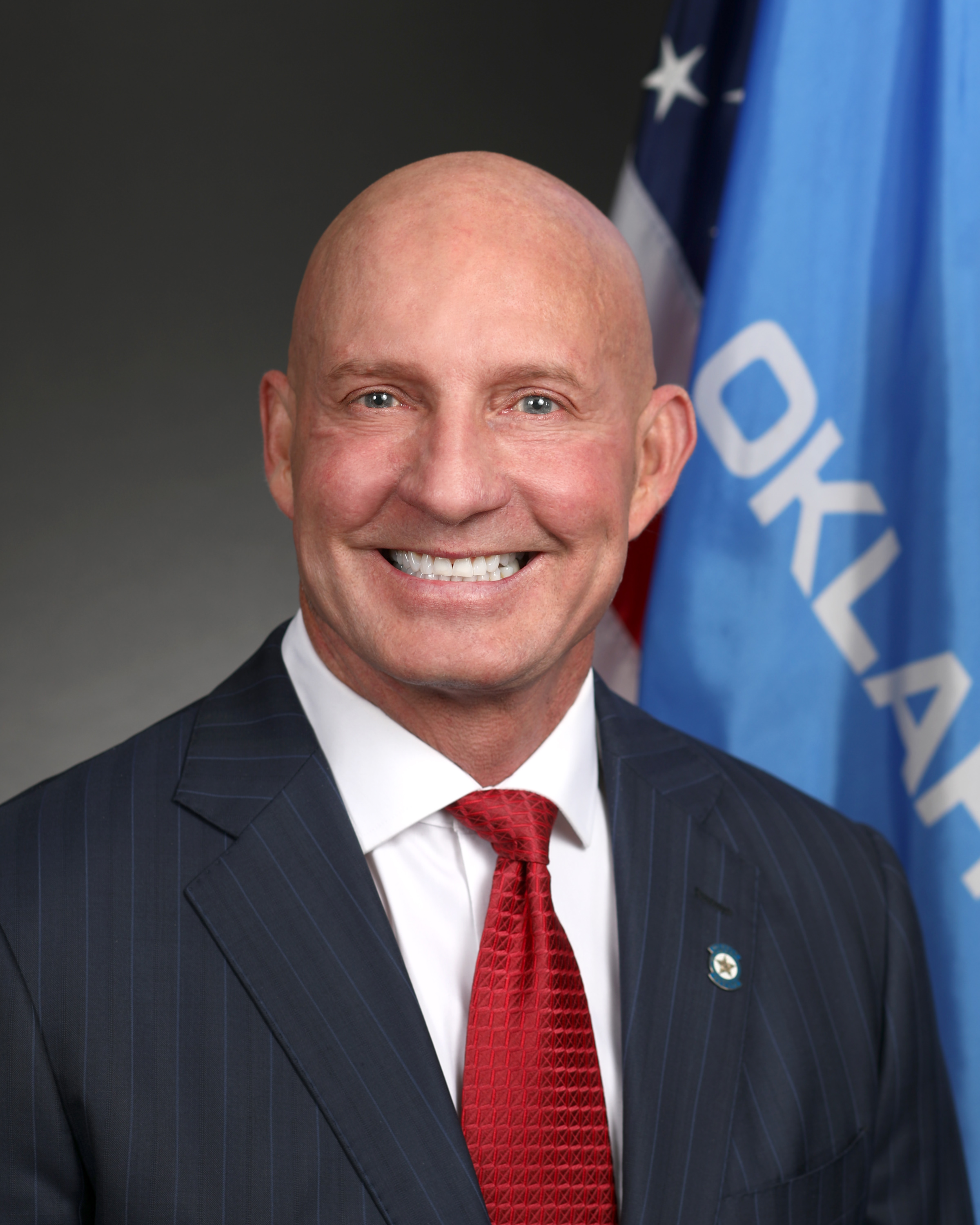
2025 Regular Session Introduced by Darrell Weaver

Designates Feb 20, 2025 as Conductive Education Day to raise awareness and support CE programs for neuromotor impairments; ceremonial, nonbinding.

Enrolled, filed with Secretary of State
0
WeVote Research Nonpartisan
Bill Summary · SR 12

Summary — SR 12: Designation of “Conductive Education Day” (Feb 20, 2025)

Status: Adopted by the Senate (enrolled), February 20, 2025
Document type: Senate Resolution (ceremonial/non‑binding)

Purpose and intent

SR 12 formally designates February 20, 2025, as “Conductive Education Day.” The resolution recognizes and raises awareness of Conductive Education (CE) — a rehabilitative teaching system developed more than 70 years ago in Hungary by Dr. András Peto — and encourages support for CE programs that help people with neuromotor impairments increase mobility and independence.

Key findings and statements in the resolution

  • Notes CE’s origin (Dr. András Peto) and its foundation in the concept of neuroplasticity: the brain’s ability to reorganize neural pathways through new experiences.
  • Describes CE as a unique teaching/rehabilitation system that assumes motivated learners with disabilities can improve motor function and independence regardless of severity.
  • Identifies populations that may benefit from CE, including stroke survivors and people with cerebral palsy, multiple sclerosis, Parkinson’s disease, spina bifida, and acquired brain injuries.
  • States CE’s potential to positively affect “close to 9 million people in the United States and Canada.”
  • Concludes by designating February 20, 2025, as Conductive Education Day and encouraging support for the program.

What the resolution does (and does not) do

  • Does: Publicly recognize and commemorate Conductive Education; raise awareness among lawmakers, providers, caregivers, and the public; encourage support for CE programs.
  • Does not: Create new legal obligations, appropriate funds, change state law, or establish regulatory programs. It is a ceremonial, non‑binding resolution.

Who is affected

  • Primary beneficiaries named in the text: children and adults with neuromotor impairments (e.g., cerebral palsy, stroke survivors, MS, Parkinson’s, spina bifida, acquired brain injury).
  • Secondary stakeholders: educators and therapists who provide CE, rehabilitation providers, advocacy organizations, caregivers, and public health/education entities that may use the designation to promote services or funding.

Procedural / timeline notes

  • Introduced and acted on during the 2025 legislative session; enrolled and adopted by the Senate on February 20, 2025.
  • As an adopted Senate resolution, SR 12 serves as an official statement of recognition by the legislative body rather than an enactment of law.

Compiled from official sources — confirm details with the bill’s official record.

Sign in to ask a question.