

WeVote

Bill

Bill

A 5035

Requires the Thruway Authority to provide at least twelve charging stations at each rest area and gas station complex

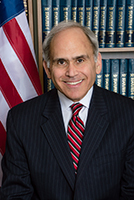
2025 Regular Session Introduced by Jonathan Jacobson

Requires NY Thruway Authority to install and maintain at least 12 EV charging stations at every rest area and gas station complex along Thruway, boosting charging access.

REFERRED TO CORPORATIONS, AUTHORITIES AND COMMISSIONS
0
WeVote Research Nonpartisan
Bill Summary · A 5035

Summary: Assembly Bill A 5035

Overview

  • Bill number: A 5035
  • Title: Requires the Thruway Authority to provide at least twelve charging stations at each rest area and gas station complex
  • Primary sponsor: Jonathan Jacobson
  • Introduced: February 11, 2025
  • Status: Referred to the Committee on Corporations, Authorities and Commissions
  • Related bill: A 7137 (prior-session)

Purpose and intent

The bill would mandate the New York Thruway Authority to install and maintain a minimum number of electric vehicle (EV) charging stations at each rest area and gas station complex operated or overseen by the Authority. The core aim is to expand public EV charging access along Thruway corridors, supporting increased EV adoption and reducing range anxiety for long-distance travel across the via system.

Key provisions (as indicated by the bill’s title)

  • Minimum requirement: At least 12 charging stations must be provided at every rest area and at every gas station complex associated with the Thruway Authority.
  • The bill would obligate the Thruway Authority to ensure these charging stations are maintained and available for use, though specific operational details (e.g., charger type, continuous curtailment, or accessibility standards) are not provided in the available summary.

Affected parties and impacts

  • Affected entity: New York Thruway Authority (the agency responsible for the Thruway system)
  • General public and EV users: Increased access to charging infrastructure along Thruway routes, potentially improving travel convenience for EV owners.
  • Potential considerations for the Authority: Capital expenditure for installation, ongoing maintenance, energy procurement, and coordination with utility providers; possible implications for charging standards, pricing, and accessibility.

Procedural and timeline aspects

  • Introduction date: February 11, 2025
  • Current stage: Referred to the Committee on Corporations, Authorities and Commissions
  • Next steps (typical legislative path): The committee may hold hearings, amend the bill, and vote to report it to the full Assembly. If reported, it would proceed to floor consideration and, if approved, move to the Senate for a parallel process. Final enactment would require signature by the Governor or an override of a veto, subject to standard legislative timelines.

Context and related bills

  • Related bill: A 7137 (prior-session) suggests there has been prior consideration of expanding or codifying EV charging infrastructure within the Thruway or related authorities, indicating ongoing interest in robust public EV charging networks.

If you’d like, I can add a comparison with A 7137 or draft a brief list of potential implementation questions (e.g., charger technology, placement criteria, funding, maintenance responsibilities) to accompany lobbying or policy analysis.

Compiled from official sources — confirm details with the bill’s official record.

Sign in to ask a question.