Summary — A4984 (Assembly) — Expansion of NJ Statewide Student Support Services to address eating disorders
Status and key dates
- Bill number: A4984 (Introduced Oct 21, 2024).
- Assembly actions: Reported with committee amendments (Mar 20, 2025); Passed Assembly 72–0–4 (Mar 24, 2025).
- Referred in Senate: Received May 12, 2025; referred to Senate Health, Human Services and Senior Citizens Committee. Also referred to Aging in February 2025.
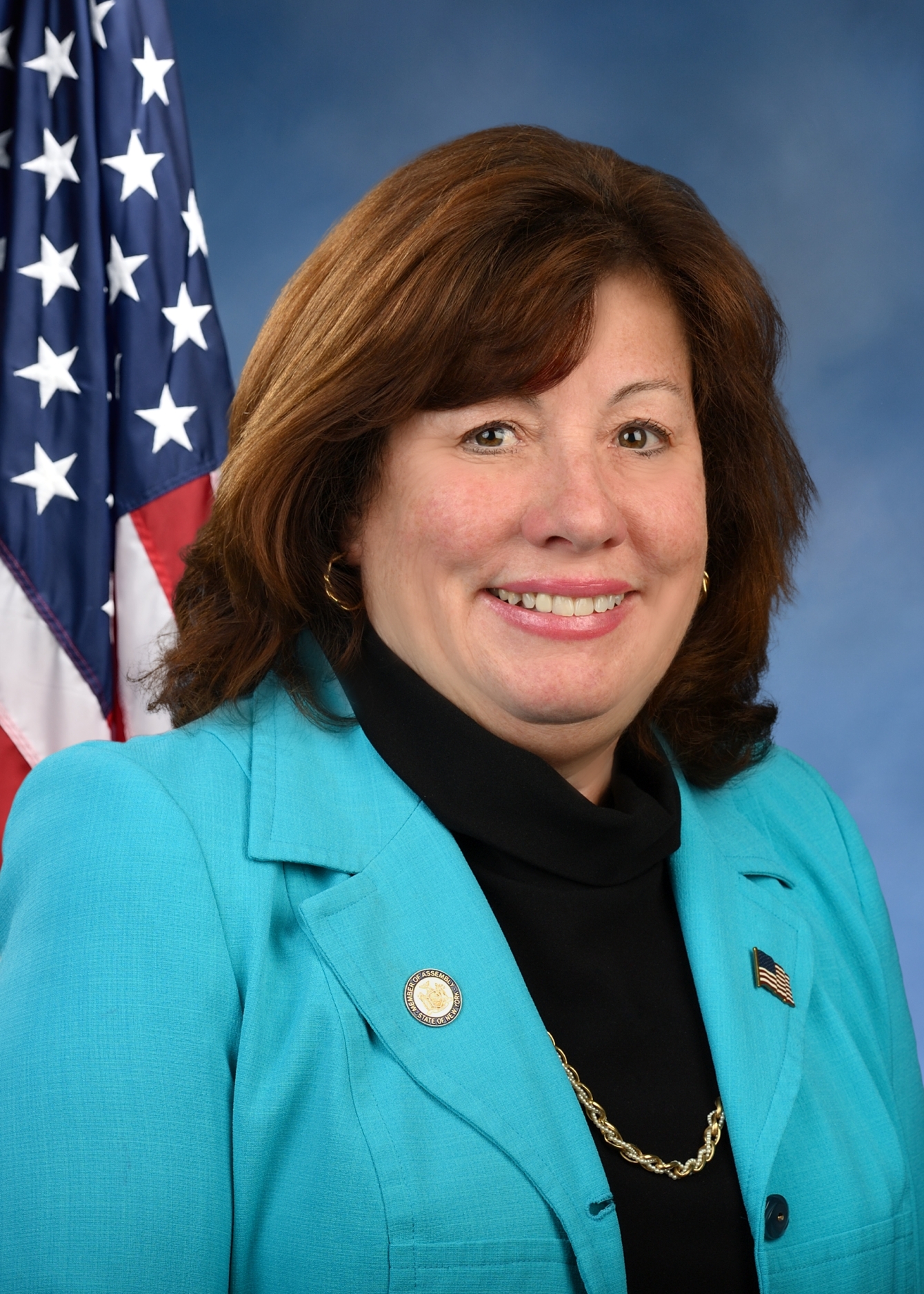
- Sponsor: Assemblywoman Marianne Buttenschon.
- Companion/related bills: S3862, S4805; prior-session: S8812, A6794.
- Effective date: On the first day of the third month after enactment; Commissioner of Children and Families may take anticipatory administrative action.
Purpose and intent
- Authorizes the Department of Children and Families (DCF) to expand the NJ Statewide Student Support Services (NJ4S) program to include eating disorder awareness, prevention, counseling services, and referral to treatment as appropriate, and to ensure regional hubs assess local needs and plan services accordingly.
What the bill would do — key provisions
- Authorizes DCF to expand NJ4S program services to explicitly cover eating disorder awareness, prevention, and counseling (and referrals to treatment).
- Requires each regional hub (one of 15 contractor-operated hubs that administer NJ4S) to, when conducting its community-based needs assessment and in consultation with its Advisory Group, review and assess current local information and services related to eating disorder treatment and prevention.
- Based on that assessment, each regional hub must develop and adopt policies and procedures to provide students in grades K–12 with appropriate eating disorder awareness, prevention, counseling services, and referrals, using the program’s existing three-tier service model:
- Tier 1: universal/on-demand prevention (e.g., workshops, assemblies, SEL curricula);
- Tier 2: targeted small-group interventions and prevention supports;
- Tier 3: individualized assessment and brief clinical interventions, with linkages to community-based providers.
- Policies must include at minimum: guidelines for service delivery by tier and protocols for assigning clinicians, prevention specialists, or other providers to deliver these services.
- DCF must adopt implementing regulations under the Administrative Procedure Act.
Who is affected
- Primary beneficiaries: Students in grades K–12 and their families across New Jersey (awareness, prevention, counseling, referral pathways).
- Implementers: DCF, the 15 regional NJ4S hubs and their staff (directors, prevention specialists, licensed clinicians), school systems, community behavioral health providers, and hub Advisory Groups (students, parents, school personnel, community stakeholders).
Fiscal and operational impact
- Office of Legislative Services (OLS) estimate: Potential annual State expenditure increase — indeterminate.
- The increase depends on whether hubs currently provide these specific eating-disorder services and the scale of new service delivery.
- OLS assumes the required assessment work would likely be absorbed within existing hub operating budgets.
- FY2025 NJ4S appropriation: $43 million (proposed FY2026: $43 million, $8.4M General Fund and $34.6M from the Cannabis Regulatory, Enforcement Assistance, and Marketplace Modernization Fund).
- Operational notes: As of Mar 22, 2025, no Tier 1 services are specifically dedicated to eating disorders, though some existing programming addresses body image and nutrition; hubs have limited prevention specialists and licensed clinicians who could be mobilized.
Implementation timeline
- Effective first day of the third month after enactment; DCF may take preparatory administrative steps prior to the effective date to implement the program changes.
Bottom line
- A4984 directs DCF and its regional NJ4S hubs to identify gaps in local eating disorder services for K–12 students and to add or coordinate awareness, prevention, counseling, and referral services within the program’s established tiered framework. The measure is designed to integrate eating-disorder supports into an existing statewide youth mental health/prevention infrastructure, with an indeterminate potential cost increase depending on local service needs and existing hub capacity.