

WeVote

Bill

Bill

A 7366

Requires the public service commission and the department of environmental conservation to conduct audits of private water companies

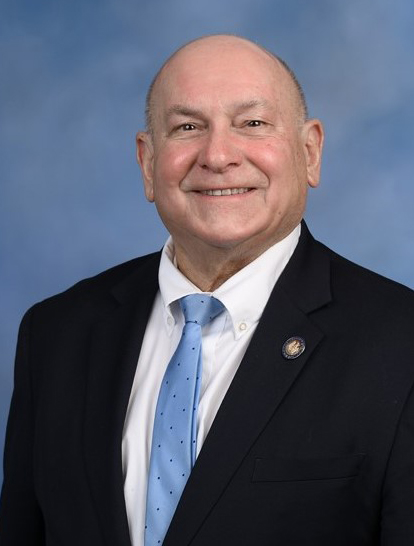
2025 Regular Session Introduced by Chris Burdick and 1 co-sponsor

Requires PSC and DEC to audit private water companies, boosting oversight and transparency on rates and water quality for consumers.

REFERRED TO ENVIRONMENTAL CONSERVATION
0
WeVote Research Nonpartisan
Bill Summary · A 7366

Summary of Bill A 7366 — Requires the public service commission and the department of environmental conservation to conduct audits of private water companies

Overview

Bill A 7366, introduced on March 25, 2025, would require two state agencies—the Public Service Commission (PSC) and the Department of Environmental Conservation (DEC)—to conduct audits of private water companies. The bill has been referred to the Environmental Conservation committee for consideration. Related Senate companion bills exist (S 597 and others listed as companions or prior-session counterparts).

What the bill would do (based on the title and status)

  • Mandate audits of private water companies by PSC and DEC.
  • Place formal oversight and review obligations on these agencies to examine private providers of water services.

Note: The text of the bill with specific provisions is not provided in the material available. The following sections outline anticipated or commonly included elements in audit-focused legislation and what stakeholders might look for once the full text is available.

Key provisions to expect (subject to bill text)

While the exact language is not provided, typical components of an audit mandate of private water companies may include:
- Scope of audits: financial, operational, environmental compliance, water quality, customer service, and rate-setting practices.
- Definitions: what entities qualify as “private water companies” under the bill.
- Audit frequency: how often audits must be conducted (e.g., annual or periodic reviews).
- Standards and methods: adherence to applicable audit or accounting standards; procedures for data collection and verification.
- Reporting: requirements for audit reports to PSC, DEC, and legislative bodies; public disclosure provisions.
- Remedies and follow-up: mechanisms for addressing identified deficiencies, enforcement actions, and timelines for implementing recommendations.
- Cost allocation: how audit costs are funded (agency budgets, fees on private water companies, or other funding).
- Confidentiality and data protection: handling of sensitive information (e.g., customer data, proprietary information).
- Sunset or renewal provisions: conditions under which the mandate continues or requires reevaluation.

Who would be affected

  • Private water companies operating in the state, including their governance, financial practices, infrastructure investments, and water quality compliance.
  • Consumers served by private water providers, who could see increased transparency and potential rate or service changes prompted by audit findings.
  • State agencies (PSC and DEC) responsible for conducting audits, producing reports, and implementing any resulting recommendations.

Procedural and timeline aspects

  • Introduction date: March 25, 2025.
  • Current status: Referred to the Environmental Conservation committee (as of the bill’s version provided).
  • Legislative actions recorded: the committee referral occurred on March 25, 2025 (listed twice in the provided actions).
  • Related legislation: Senate counterparts and prior-session bills (e.g., S 597, S 8534, S 1791), described as companions or relevant prior versions.

Potential impact and considerations

  • Increased oversight and accountability for private water providers.
  • Improved transparency around rates, service quality, and environmental compliance.
  • Possible costs to agencies and to private water companies, considerations for funding and ratepayers.
  • Public health and environmental protections could be strengthened through systematic audits.

Notes

  • The exact statutory language, definitions, and detailed provisions are not included in the material provided. A full reading of the bill text will clarify the precise scope, audit standards, and enforcement mechanisms.

Compiled from official sources — confirm details with the bill’s official record.

Sign in to ask a question.