

WeVote

Bill

Bill

S 6924

Requires the public school curriculum for children in kindergarten through grade twelve to include a minimum of two hours per week instruction in civics lessons

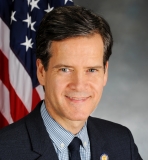
2025 Regular Session Introduced by Brad Hoylman-Sigal

Requires public K–12 schools to allocate at least 2 hours per week to civics instruction, reshaping curricula, staffing, and scheduling for all students.

REFERRED TO EDUCATION
0
WeVote Research Nonpartisan
Bill Summary · S 6924

Summary of Bill: S 6924 – Civics Instruction Requirement (K–12)

Basic information

  • Bill number: S 6924
  • Title/purpose: Requires the public school curriculum for children in kindergarten through grade twelve to include a minimum of two hours per week of civics instruction.
  • Status: Referred to Education (introduced March 27, 2025)
  • Sponsor: Brad Hoylman-Sigal (primary)
  • Companions/related bills: Companion in Assembly noted as A 1857 (listed as companion); related Senate bills from prior sessions include S 5933, S 1104, S 833, S 3181.

Purpose and intent

  • The bill aims to ensure that all public K–12 students receive a dedicated amount of civics education each week by mandating a minimum of two hours of civics instruction. The stated intent is to strengthen civic knowledge and engagement among students.

Key provisions (as stated)

  • Curriculum mandate: Public schools must include a civics instruction component totaling at least two hours per week for students in grades K–12.
  • The summary provided does not specify additional details such as:
    • Grade-by-grade distribution or pacing requirements
    • Content standards or learning objectives for the civics instruction
    • Exemptions, electives, or integration within existing social studies curricula
    • Funding, reporting, or oversight mechanisms
    • Implementation timeline or phased rollout

Who is affected

  • Students: All students attending public K–12 schools would be subject to the civics instruction requirement.
  • School districts and schools: Required to adjust curricula and scheduling to accommodate the two hours per week of civics instruction. This could entail reallocating instructional time, curriculum development, and potential professional development for teachers.
  • Educators: Civics or social studies teachers may need to align with new standards and potentially increase instructional load or receive targeted professional development.
  • State education authorities: Likely involvement in curriculum alignment, standards development, and compliance oversight (though specific mechanisms are not detailed in the available information).

Procedural and timeline aspects

  • Current stage: Referred to the Senate Education Committee. No implementation timeline or funding details are provided in the brief description.
  • Process indicators: Given the referrals and related companion bills, the proposal may move through committee consideration, potential amendments, and, if advanced, floor votes. Related bills from prior sessions suggest ongoing interest in expanding civics education.

Related context

  • Several prior-session bills (S 5933, S 1104, S 833, S 3181) and a companion Assembly bill (A 1857) are connected, indicating ongoing legislative interest in mandating or expanding civics education.

This summary reflects the information available for S 6924 as of introduction on March 27, 2025. If enacted, details on standards, funding, and implementation would be crucial to assess the full impact on curricula and school operations.

Compiled from official sources — confirm details with the bill’s official record.

Sign in to ask a question.