Summary — A.4036 (Print No. 4036B)
Status & procedural history
- Introduced: January 30, 2025 (referred to Labor)
- March 31, 2025: Printed as A4036A (amended and recommitted to Labor)
- June 6, 2025: Further amended and recommitted; printed as A4036B
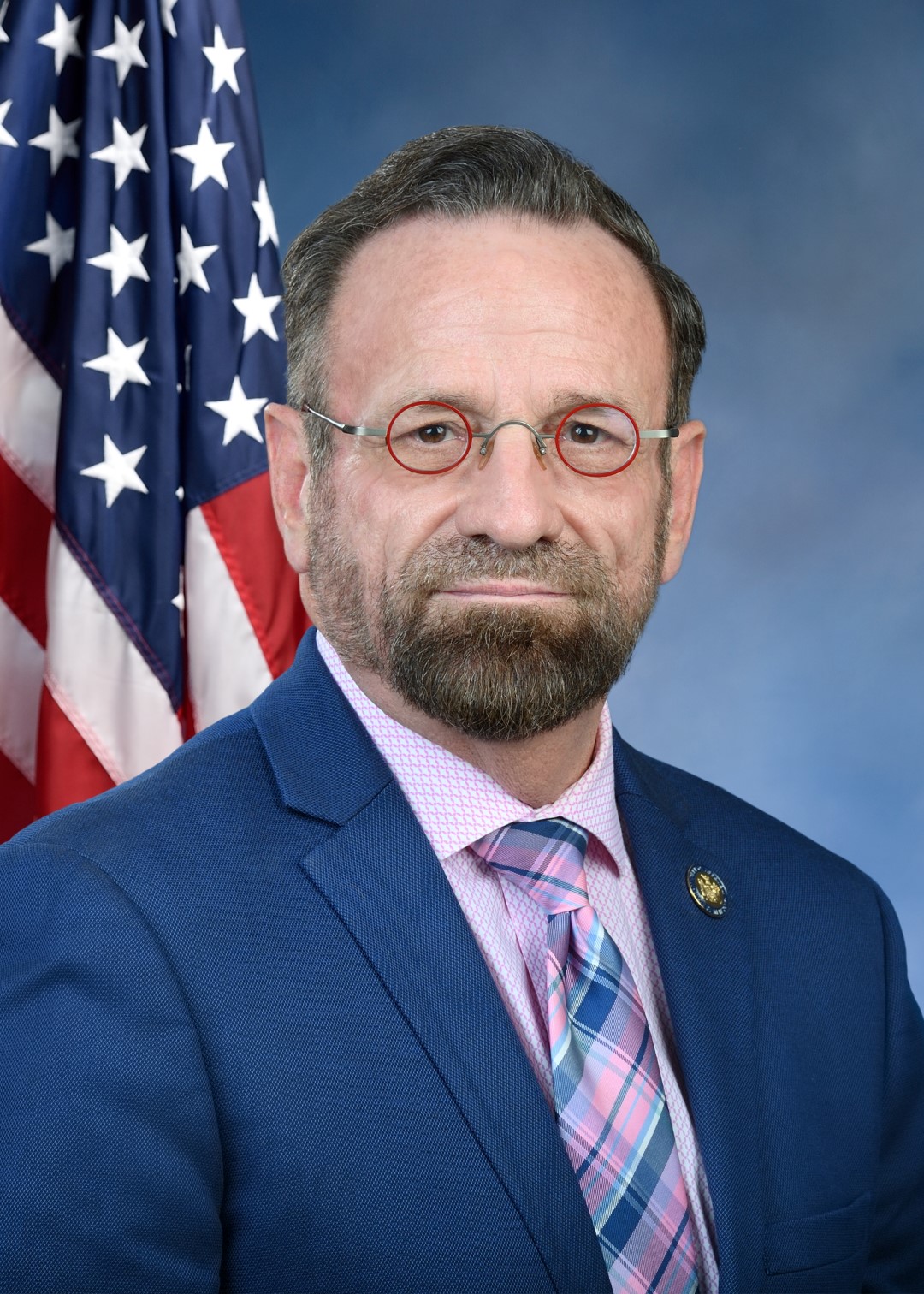
- Primary sponsor: Assemblymember Harry B. Bronson. Cosponsors include Andrew Hevesi, Nily Rozic, and Al Taylor.
- Related/companion legislation: S.3037 (companion). Prior-session related bills: S.9220 and S.1648.
Purpose / intent
- The bill conditions eligibility for arts grant funding on an applicant’s certification that it will enter into a labor peace agreement with at least one bona fide labor organization. The stated policy intent is to promote labor peace and ensure that recipients of public arts funding agree to terms that prevent labor disputes that could disrupt services paid for with public funds.
Key provisions (as reflected in bill title/summary)
- Certification requirement: Any organization applying for grant funding from an arts agency must provide a certification to that arts agency that it will enter into a labor peace agreement with at least one bona fide labor organization.
- Timing: The certification is required at the time of application (the title indicates applicants “shall provide” the certification). The bill language provided does not specify whether the agreement must be executed before funds are disbursed or only promised.
- Targeted documents/actors: The requirement is directed at organizations applying for arts grants and at arts agencies that administer such grant programs.
- Definitions & enforcement: The text supplied in the summary materials does not include the bill’s full definitions (for example, what constitutes an “arts agency,” a “labor peace agreement,” or a “bona fide labor organization”) nor the enforcement, compliance, or penalty provisions. Those details likely appear in the full bill text.
Who would be affected
- Grant applicants: nonprofit and for‑profit arts organizations, presenters, producers, theaters, ensembles, festivals, and other entities that seek public arts grant funding.
- Arts agencies: state and possibly local agencies that award arts grants would be responsible for collecting certifications and, depending on the bill’s full text, verifying compliance.
- Labor organizations and arts workers: unions or labor organizations recognized as “bona fide” would be the contracting counterparties; workers could see greater access to collective bargaining mechanisms and formal labor agreements.
Potential impacts and implementation issues
- Administrative impact: Arts agencies would need procedures to collect and (if required) verify certifications, and possibly to monitor whether applicants enter into the promised agreements.
- Applicant behavior: Some organizations may already have labor peace agreements; others may need to negotiate such agreements or decide not to apply for grants.
- Unanswered questions in summary materials: scope (which grants/which agencies), timing of required agreement (pre-award vs. post-award), precise legal definitions, and remedies or sanctions for noncompliance are not present in the excerpt provided and should be reviewed in the full bill text and any committee reports.
For further review
- Read the full A4036B bill text and committee amendments for definitions, enforcement mechanisms, applicability (state vs. local grants), and any exemptions or grandfathering provisions. Also review companion S.3037 for parallel language.