

WeVote

Bill

Bill

S 1884

Requires state agencies to expend funds no later than ninety days after receipt of a certificate of approval from the director of the budget

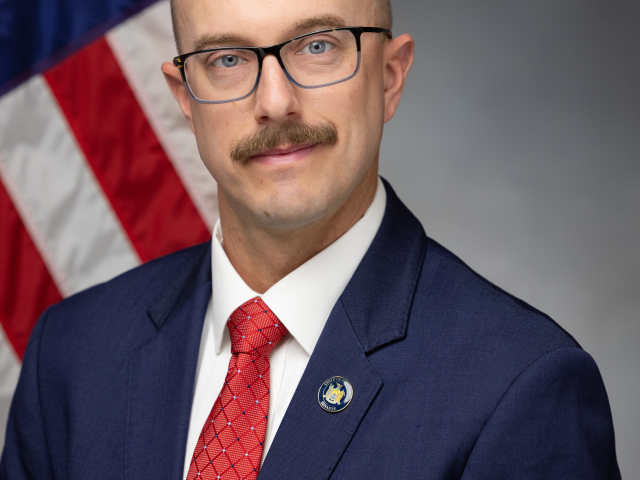
2025 Regular Session Introduced by Mark Walczyk

Strengthens the Holocaust Expropriated Art Recovery Act to bar time-based defenses, ensuring Nazi-looted art claims are decided on merits, with nationwide service and retroactivity.

REFERRED TO PROCUREMENT AND CONTRACTS
0
WeVote Research Nonpartisan
Bill Summary · S 1884

Summary — S.1884 (Holocaust Expropriated Art Recovery Act of 2025)

Note: The materials provided include multiple, unrelated items that share the number “1884” (including a Massachusetts bill about teacher retirement). This summary covers the federal S.1884 introduced May 22, 2025 (Sen. John Cornyn, primary), which amends the Holocaust Expropriated Art Recovery Act of 2016.

Purpose / Intent

S.1884 clarifies and narrows the ability of courts to dismiss claims seeking recovery of art or property expropriated by the Nazis. The bill is intended to ensure Holocaust-era claims “may be resolved on the merits” by precluding time‑based and other non‑merits discretionary defenses that have been used to bar recovery lawsuits.

Key provisions

  • Adds findings/intent language that:
    • Emphasizes Congress’s intent that claims to recover Nazi‑looted art be adjudicated on the merits regardless of the long passage of time.
    • States claims may be brought regardless of the victim’s nationality/citizenship, expressly addressing the “domestic takings” rule from Federal Republic of Germany v. Philipp (2021).
  • Amends the 2016 Act (22 U.S.C. 1621 note) to:
    • Expand the Act’s scope to preclude “defenses based on the passage of time and other non‑merits defenses” in otherwise timely claims.
    • Specifically bar application of doctrines such as laches, adverse possession, acquisitive prescription, usucapion.
    • Prohibit non‑merits discretionary dismissal doctrines, including the act of state doctrine, international comity, forum non‑conveniens, prudential exhaustion, and similar doctrines unrelated to the merits.
    • Provide for nationwide service of process for covered civil actions (service in the district where the case is brought or any district where the defendant can be found).
    • Clarify relation to Foreign Sovereign Immunities Act (28 U.S.C. §1605(a)(3)) by deeming covered claims to be “rights in violation of international law” for FSIA purposes regardless of victim nationality.
    • Add severability language.
  • Applicability: Amendments apply both to claims filed after enactment and to civil claims pending (including on appeal) at enactment.

Who is affected

  • Claimants: Holocaust victims and heirs seeking recovery of art and other property lost during the covered period.
  • Defendants: Museums, auction houses, private collectors, dealers, foreign and domestic entities including covered governments and their agents.
  • Courts: Federal and state courts adjudicating such claims (changes affect jurisdictional and defenses analysis).
  • Potentially affects international litigation practice and foreign‑sovereign immunity analysis in U.S. courts.

Procedural status & history (selected)

  • Introduced in Senate: May 22, 2025 (read twice; referred to Judiciary).
  • Referred to Judiciary; hearings and reporting occurred (committee reported with amendments and placed on Senate Legislative Calendar, Calendar No. 271).
  • Companion House bill: H.R. 4235.
  • Sponsors/co‑sponsors include John Cornyn (primary) and a bipartisan group (e.g., Cory Booker, Richard Blumenthal, Chuck Grassley, Lindsey Graham, etc.).

Potential impacts and considerations

  • Litigation effects: Likely to revive or permit continuation of claims otherwise dismissed on laches/statute‑of‑limitations‑type or non‑merits grounds; may increase litigation against museums, collectors, and governments.
  • Jurisdictional consequences: By invoking FSIA §1605(a)(3) language, the bill could narrow foreign sovereign immunity defenses for covered claims.
  • Policy tradeoffs: Supports claimants’ access to merits adjudication but may raise concerns for defendants about stale claims, evidentiary challenges, and international comity.
  • Retroactivity: Because the bill applies to pending claims (including appeals), it may alter outcomes in ongoing cases.

For further detail, consult the full bill text (S.1884) and committee reports for the exact statutory amendments to the Holocaust Expropriated Art Recovery Act of 2016.

Compiled from official sources — confirm details with the bill’s official record.

Sign in to ask a question.