

WeVote

Bill

Bill

A 3301

Requires schools and libraries to provide and maintain on-site opioid antagonists

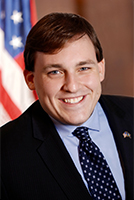
2025 Regular Session Introduced by Doug Smith

New offense: victimization of a senior (60+) or disabled person, with strict liability and enhanced penalties tied to the underlying crime; separate sentences for victimization.

REFERRED TO EDUCATION
0
WeVote Research Nonpartisan
Bill Summary · A 3301

Summary of New Jersey Assembly Bill A-3301 (Victimization of Seniors and Persons with Disabilities)

Note: The material below reflects the bill text and accompanying committee/report materials as presented, which center on creating a separate crime of victimization against senior citizens and persons with a disability, rather than any unrelated topic such as opioid antagonists in schools.

Purpose and intent

  • Establish a new offense called “victimization against a senior citizen or a person with a disability.”
  • The offender would be guilty of victimization when they commit, attempt to commit, conspire to commit, or threaten the immediate commission of an offense against a senior citizen or a person with a disability as defined in the bill.
  • The offense is intended to provide enhanced penalties by basing the grade on the underlying crime, with strict liability for targeting a protected class (the victim’s age or disability).

Key provisions and changes

  • Strict liability: If the underlying offense targets a senior citizen or person with a disability, the actor’s knowledge of the victim’s status is not a defense.
  • Grading (severity) of victimization:
    • If the underlying offense is a disorderly persons offense or petty disorderly persons offense: victimization is a fourth-degree crime.
    • If the underlying offense is more serious than a disorderly/petty offense: victimization is one degree higher than the most serious underlying offense.
    • If the underlying offense is a first-degree crime: victimization is a first-degree crime, with an ordinary term of imprisonment ranging from 10 to 30 years and a presumptive term of 20 years.
  • Affirmative defenses (underlying crimes):
    • Burglary (third-degree): defense if the entered property was an unoccupied motor vehicle or unoccupied structure.
    • Criminal mischief (third-degree): defense if no person other than the actor was present.
  • Non-merger: Convictions for victimization do not merge with underlying offenses; separate sentences are imposed.
  • Definitions:
    • “Senior citizen” = 60 years of age or older.
    • “Person with a disability” = someone with a pre-existing medically determinable physical or mental impairment that substantially incapacitates resistance; includes individuals determined disabled under the Social Security Act or similar programs.
  • Effective date: Immediate upon enactment.

Who is affected

  • Individuals charged with crimes against senior citizens or persons with disabilities, particularly when the offense is committed against such victims.
  • The court system, which would impose separate sentences for victimization and any underlying offense.
  • Advocates and agencies serving seniors and disabled individuals may see heightened emphasis on protections.

Procedural and timeline aspects

  • Status: Introduced in the Assembly on January 9, 2024; reported favorably by the Assembly Aging and Human Services Committee on June 24, 2024.
  • Legislative actions: As of 2025, referred to the Education Committee (listed actions show “REFERRED TO EDUCATION” on 2025-01-27).
  • Sponsors: Primary sponsor Doug Smith; related companion bill S-4850 and prior-session A-6886.

Practical considerations and impact

  • The proposal creates a new standalone offense with enhanced penalties for crimes directed at seniors and disabled individuals.
  • It places strict liability on recognizing victim status, removing the defense of mistaken identity in terms of victim status.
  • The bill provides targeted protections but may raise questions about prosecution standards and resource needs for enforcing a new crime category.

This summary focuses on the substantive content and potential impact of A-3301 as reflected in the official text and committee materials.

Compiled from official sources — confirm details with the bill’s official record.

Sign in to ask a question.