

WeVote

Bill

Bill

A 4334

Requires rent reduction in cases of submetered utility service

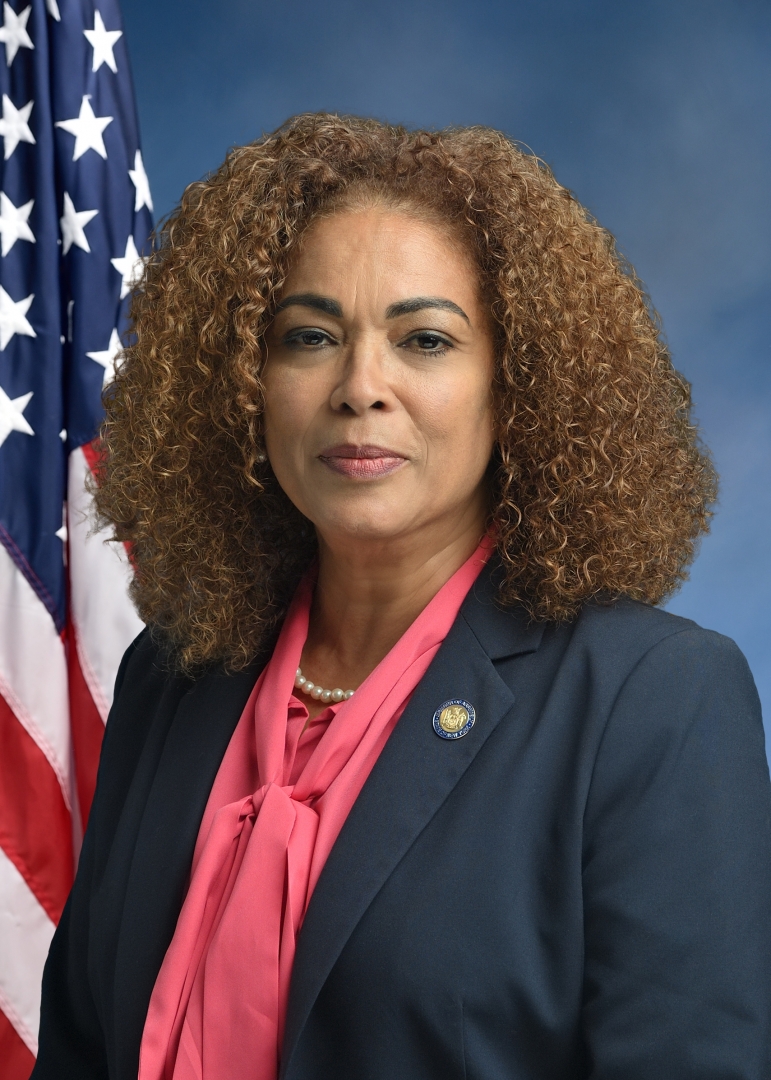
2025 Regular Session Introduced by Yudelka Tapia

Requires secondhand dealers to verify sellers with two IDs (one photo gov't ID), record device IDs and buyer details for 1 year, and face penalties for fraud to curb stolen phones.

REFERRED TO HOUSING
0
WeVote Research Nonpartisan
Bill Summary · A 4334

Summary — Assembly Bill A4334 (revised)

Status: Referred to Housing; reported by Assembly Consumer Affairs Committee with amendments (May 15, 2025); Assembly floor amendment passed (May 22, 2025); later substituted by S3132 (4R) (June 30, 2025). Introduced May 10, 2024. Primary sponsor: Yudelka Tapia.

Purpose

To reduce theft and fraud involving previously owned cellular phones and wireless communication devices by imposing identification, recordkeeping, and device‑identification requirements on businesses and kiosks that buy and resell such devices (so‑called “secondhand dealers”).

Key provisions

  • Definitions

    • “Secondhand dealer” includes anyone who buys, sells, receives, trades, consigns, or otherwise transfers for value previously owned cellular phones/wireless devices. Includes automated kiosks. Excludes commercial mobile service providers, their authorized agents/retailers, entities licensed to provide portable electronics insurance and affiliates.
    • “Secondhand property” = previously owned cellular phone or wireless communication device.
    • “Device identifier” = MEID, IMEI, or ESN.
  • Device and transaction records

    • At time of purchase, dealers must document each device and include a device identifier. If identifier not available at transaction time, dealer must update the record “as soon as commercially practicable.”
    • Records must include a receipt with purchase amount and statements attesting seller is of lawful age, that ID/other provided identifying information is true, and that seller is lawful owner with authority to sell.
    • Dealers must retain the purchase record for one year.
  • Identification of sellers

    • Dealers must obtain two forms of identification from sellers; at least one must be government‑issued photographic ID.
    • If seller lacks government photographic ID, dealer must take a color photograph that clearly shows the seller’s face and record on the accompanying documentation the seller’s name, residence address, date of birth, gender, height, and weight. That photograph/documentation counts as photographic ID.
    • Automated kiosks that require government/state ID are exempt from the alternate photograph requirement.
  • Prohibitions

    • It is unlawful for a seller to submit fraudulent information on required receipts.
    • Dealers may not buy or sell devices knowingly acquired through false/fraudulent information.
    • Dealers may not remove, alter, or obliterate manufacturer make/model/serial number, personal identification number, or identifying marks on devices; dealers may not buy devices with such identifiers removed/altered.
  • Privacy and access

    • Records must be open to inspection by State, county, or municipal law enforcement during business hours.
    • Dealers must make records available to the Director of the Division of Consumer Affairs.
    • Dealers may not sell or share information/data about a seller without the seller’s written consent and must securely maintain such information per rules/regulations the Director may adopt.
  • Enforcement and penalties

    • Civil penalties: not more than $250 (first offense), $500 (second), $1,000 (third/subsequent). Penalties may be imposed by the Director and collected in a summary proceeding under the Penalty Enforcement Law. Each violating transaction is a separate offense.
    • A violation is not treated as an “unlawful practice” under the State consumer fraud statute.
  • Rulemaking and effective date

    • Director of the Division of Consumer Affairs may promulgate implementing rules and regulations under the Administrative Procedure Act.
    • The act takes effect immediately upon enactment.

Who is affected

  • Retail and pawn secondhand dealers and automated kiosks that purchase used cell phones and wireless devices.
  • Individuals selling devices to those dealers (sellers will need appropriate ID or be photographed).
  • Entities excluded: commercial mobile service providers and their authorized retail agents, licensed portable electronics insurers and affiliates.

Potential impact

  • Increases documentation and verification requirements for secondhand device purchases to aid law enforcement in tracking stolen devices and deterring fraudulent sales.
  • Adds compliance costs for dealers (ID checks, photographing, record retention, secure data handling) and potential civil penalties for violations.
  • Provides Director of Consumer Affairs oversight authority and privacy safeguards for seller data.

Compiled from official sources — confirm details with the bill’s official record.

Sign in to ask a question.