

WeVote

Bill

Bill

A 6681

Requires mental health facilities to have a staff member specifically trained in filing assisted outpatient treatment petitions

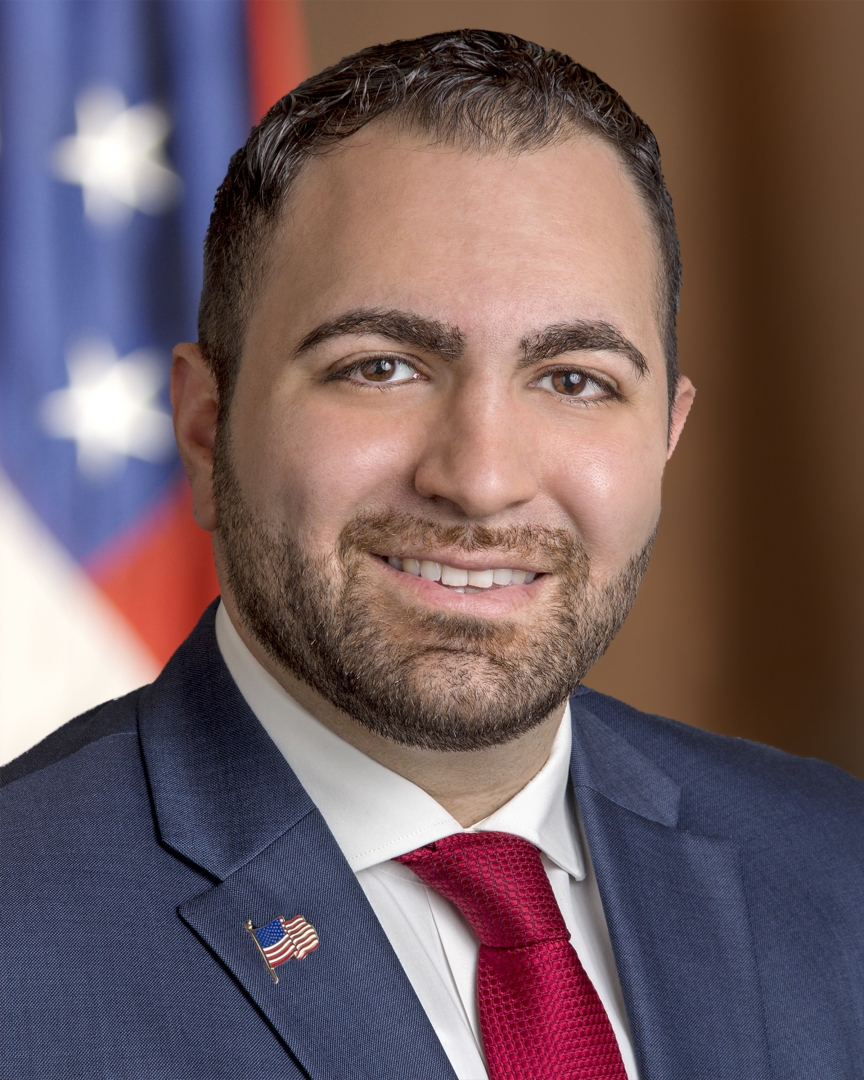
2025 Regular Session Introduced by Mike Tannousis

Mental health facilities must designate at least one staff member trained to file Assisted Outpatient Treatment petitions, improving consistency and timeliness.

REFERRED TO MENTAL HEALTH
0
WeVote Research Nonpartisan
Bill Summary · A 6681

Summary of Assembly Bill A 6681

Overview

  • Bill number: A 6681
  • Title: Requires mental health facilities to have a staff member specifically trained in filing assisted outpatient treatment petitions
  • Sponsor: Michael Tannousis (primary)
  • Introduced: March 6, 2025
  • Status: Referred to the Mental Health committee
  • Related bills (prior-session): A 6927, A 5185, A 10100

Purpose and intent

A 6681 would require mental health facilities to designate a staff member who has specific training in filing Assisted Outpatient Treatment (AOT) petitions. The aim is to ensure that AOT petitions—used to compel outpatient treatment for individuals meeting certain clinical criteria—are prepared and submitted efficiently and in accordance with applicable law. By formalizing this role, the bill seeks to standardize and potentially streamline the process within facilities that provide mental health services.

Key provisions (as introduced)

  • Mandate: Each mental health facility must employ or designate at least one staff member who receives training specifically related to filing AOT petitions.
  • Training focus: The designated staff member must be trained in the procedures, documentation, and legal standards involved in AOT petitions.
  • Scope and implementation details: Specific training standards, duration, certification, and enforcement mechanisms are not detailed in the available information. If enacted, the bill would presumably outline these elements in the final text or in implementing regulations.

Affected parties

  • Primary beneficiaries: Individuals receiving care at mental health facilities who may be subject to AOT petitions, and the facilities themselves in terms of process reliability for petition filings.
  • Staff: Mental health facility employees who would serve as the designated AOT petition filers.
  • Broader system: Potential impact on the timeliness and consistency of AOT petition filings within facilities.

Procedural and timeline aspects

  • Current stage: Introduced March 6, 2025 and referred to the Mental Health committee. No further committee actions or floor actions are listed in the provided information.
  • Legislative path: As with many bills, passage would require committee approval, floor passage in the Assembly, and likely concurrence with the Senate (and potential gubernatorial action) before becoming law.
  • Related activity: The presence of related bills from prior sessions (A 6927, A 5185, A 10100) suggests ongoing interest in strengthening AOT processes or related mental health procedures.

Potential impact and considerations

  • Benefits: Improved consistency and timeliness in filing AOT petitions; clearer accountability within facilities; potential improvements in access to mandated outpatient treatment for eligible individuals.
  • Costs and implementation: Possible training costs for facilities and staff time devoted to training and compliance. The bill’s text does not specify funding or exact training standards, which would be addressed in the final version and any accompanying fiscal note.
  • Policy context: Aligns with efforts to streamline and professionalize the administration of AOT processes within the framework of existing mental health and civil commitment laws.

If you’d like, I can compare A 6681 to the related prior-session bills (A 6927, A 5185, A 10100) to highlight similarities and differences in approach.

Compiled from official sources — confirm details with the bill’s official record.

Sign in to ask a question.