

WeVote

Bill

Bill

A 3742

Requires high schools to carry and have a trained employee to administer opioid antagonists

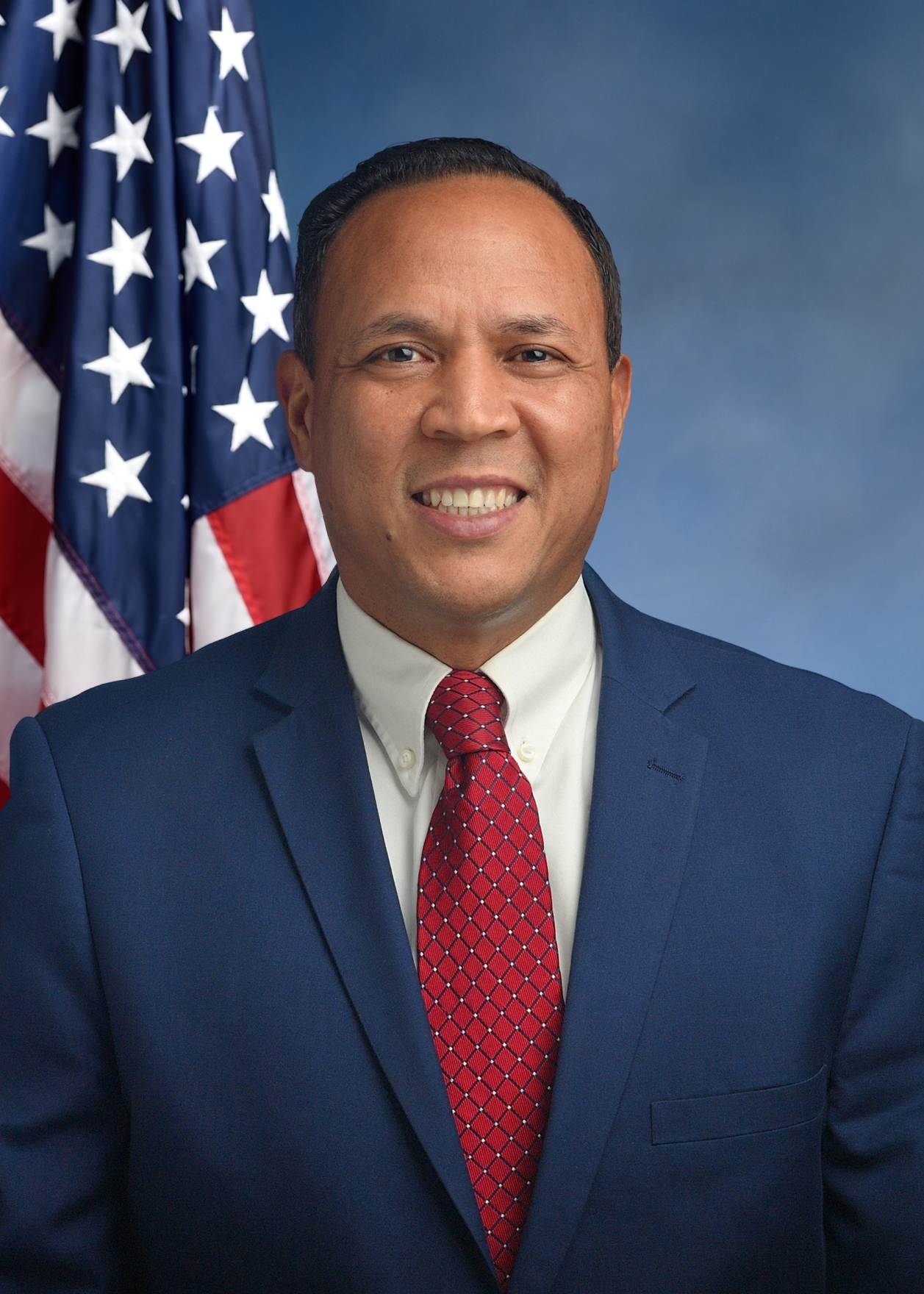
2025 Regular Session Introduced by George Alvarez and 23 co-sponsors

Provides grants totaling up to $4.5 million to New Jersey school districts to reimburse costs for expanding procurement of NJ-grown local foods for school meal programs.

REFERRED TO EDUCATION
0
WeVote Research Nonpartisan
Bill Summary · A 3742

Note: the top-line title you supplied (requiring high schools to carry and have a trained employee to administer opioid antagonists) does not match the bill text and documents you provided. The documents attached to A-3742 (introduced Feb 22, 2024) concern a Farm to School Local Food Procurement Reimbursement Grant Program. The summary below describes the Farm-to-School bill reflected in those documents. If you intended the opioid-antagonist bill, please provide the correct text or documents.

Summary — Assembly Bill A-3742 (1R) — Farm to School Local Food Procurement Reimbursement Grant Program

Main purpose

Establishes a Farm to School Local Food Procurement Reimbursement Grant Program in the New Jersey Department of Agriculture to reimburse eligible school districts for costs incurred to expand or modify procurement of New Jersey-grown local foods for school meal programs. Appropriates $4.5 million from the General Fund (per committee-reported version).

Key provisions

  • Department of Agriculture (secretary) must create and operate the grant program and a Farm to School Local Food Procurement Reimbursement Fund.
  • Grants reimburse documented “eligible costs” incurred to implement expanded/modified local food procurement for the National School Lunch Program, School Breakfast Program, Summer Food Service Program, and other school meal programs.
  • Local food defined as raw/whole or minimally processed fruits, vegetables, herbs, meat, seafood, legumes, or grains 100% produced in NJ or in State waters; excludes fluid dairy milk.
  • Eligible districts: those where all participating partner schools provide subsidized meals.

Grant sizes and allocation

  • Awards available annually to each eligible district in amounts by district size (based on students at partner schools):
    • Small (<5,000): $10,000–$50,000
    • Medium (5,000–10,000): $20,000–$125,000
    • Large (≥10,000): $44,000–$250,000
  • Grants allocated on an equitable pro rata basis using a department formula; formula must allow proportional adjustments favoring districts with high subsidized enrollment, food desert locations, emphasis on purchases from small/mid-size family farms or socially disadvantaged farmers, and prior award recipients who exhausted past grants.
  • Department may, on a case-by-case basis, allow up to 20% of an award to cover technical assistance costs.
  • Prohibits use of grant funds for ineligible costs or costs already paid/reimbursed by other state or federal sources. Department must maximize use of federal Local Food for Schools funds before spending state funds.

Application and reporting

  • Districts submit an attestation form including number of partner schools, district size, requested amount, proposed procurement plan, baseline local sourcing levels/budget, and other required info.
  • Grants generally must be used in the award year; uncommitted funds may be reclaimed. Districts may reapply in subsequent years.
  • Secretary to submit an annual program status report to the Governor and Legislature with the annual budget request.

Fiscal impact (OLS estimate / fiscal note)

  • One-time state appropriation: up to $4.5 million.
    • $4.0 million deposited into the Farm to School Fund for grants.
    • $500,000 for Department administrative/start-up costs.
  • School districts electing participation will see state reimbursement revenue (part of the $4M) and likely increased operating and administrative expenses (not quantified).

Legislative status & timeline

  • Introduced: 02/22/2024 (Assembly)
  • Referred to Assembly Commerce, Economic Development & Agriculture; amended and reported 06/12/2025.
  • Reported out by Assembly Budget Committee 06/26/2025.
  • Passed Assembly 06/30/2025 (77–2–1).
  • Received in Senate 10/20/2025; referred to Senate Budget and Appropriations Committee.
  • Companion/related bills: S-1270 / S-1637 and several prior-session bills listed.

Who is affected

  • Eligible school districts (those serving subsidized meals) that wish to increase procurement of NJ-produced local foods.
  • Local farmers and producers (particularly small/mid-size and socially disadvantaged farmers) could see increased market opportunities.
  • Department of Agriculture (administration, reporting, and grant management).

If you want, I can:
- Produce a one-page bill brief for school districts explaining application and compliance steps.
- Compare this bill to its Senate companion(s) or prior-session versions.
- Provide a short summary matching the opioid-antagonist title if you supply that bill’s text.

Compiled from official sources — confirm details with the bill’s official record.

Sign in to ask a question.