

WeVote

Bill

Bill

A 4631

Requires fashion sellers to be accountable to standardized environmental and social due diligence policies, and establishes a fashion remediation fund

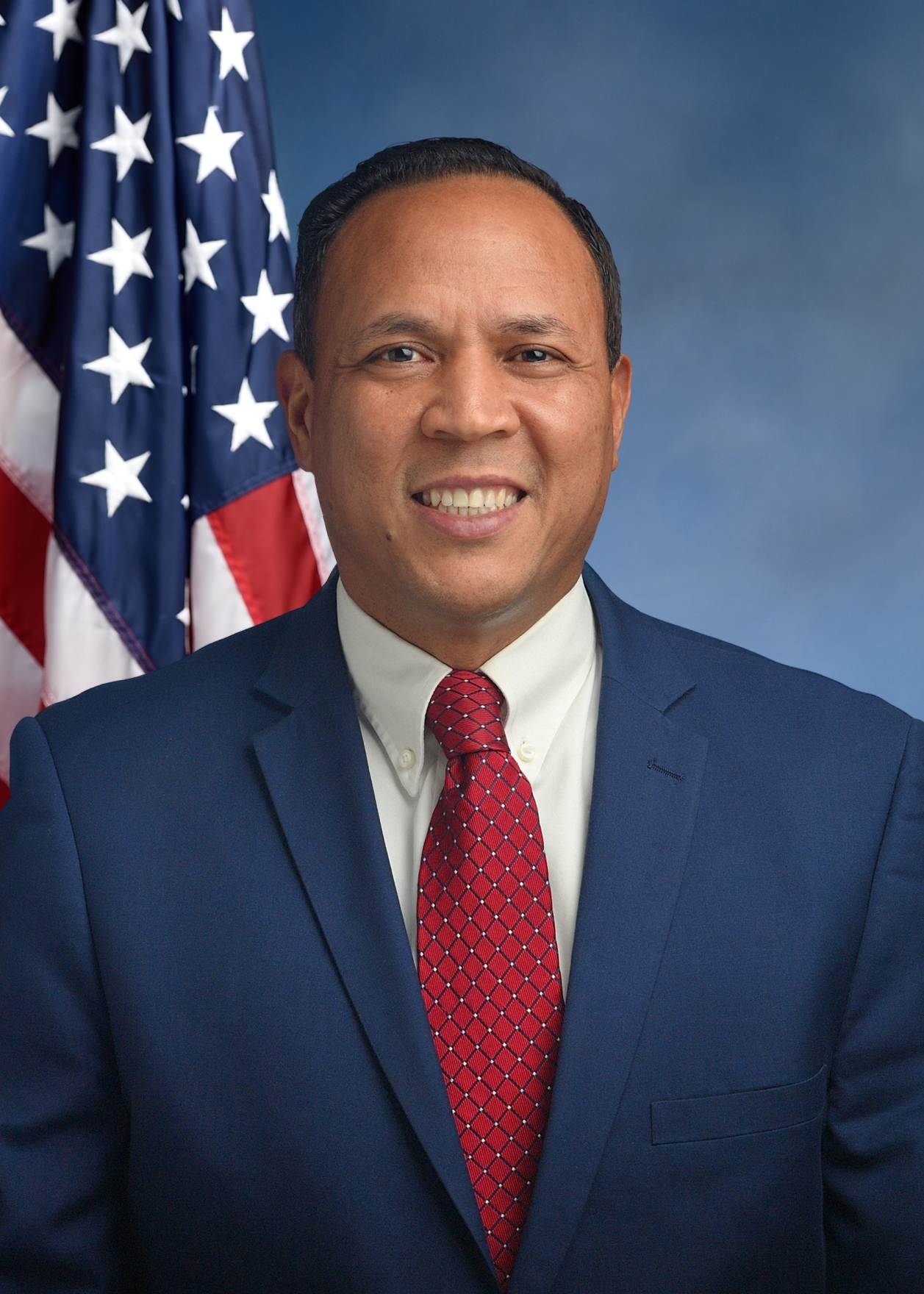
2025 Regular Session Introduced by George Alvarez and 68 co-sponsors

Requires fashion sellers to adopt standardized environmental and social due diligence in their supply chains and finance remediation through a state Fashion Remediation Fund.

PRINT NUMBER 4631B
0
WeVote Research Nonpartisan
Bill Summary · A 4631

Summary — A4631 (Print 4631B)

Title: Requires fashion sellers to be accountable to standardized environmental and social due diligence policies, and establishes a fashion remediation fund
Introduced: February 4, 2025 — Current print: 4631B (amended/reprinted March 13, 2025)
Committee: Referred to Consumer Affairs and Protection

Note: Full bill text was not provided. The summary below is based on the bill title, available bill identifiers and legislative actions, and common elements in laws of this type. Where the precise statutory language (thresholds, dollar amounts, or agency assignments) is not available, the summary flags those items.

Main purpose

A4631 would require "fashion sellers" operating in the state to adopt standardized environmental and social due diligence policies for their supply chains, increase transparency and accountability regarding labor and environmental harms in the garment/fashion sector, and create a state-managed Fashion Remediation Fund to finance remediation and victim compensation where harms occur.

Key provisions (as indicated by title / typical structure)

  • Due diligence policies: Requires covered fashion sellers to establish and maintain written environmental and social due diligence (ESDD) policies addressing supply‑chain risks such as forced/child labor, unsafe working conditions, wage violations, pollutant releases, excessive water/chemical use, and hazardous waste.
  • Standardization: Directs adoption of a standardized set of minimum elements for ESDD policies (e.g., supplier mapping, risk assessments, corrective action plans, worker grievance mechanisms, and monitoring/auditing), likely set by a state agency or by regulatory guidance.
  • Transparency & reporting: Requires regular public reporting by covered sellers on due diligence activities, identified risks, remediation efforts, and audit results.
  • Remediation fund: Establishes a Fashion Remediation Fund to provide financial support for remedial actions, victim compensation, medical or environmental cleanup costs tied to fashion supply-chain harms. Funding mechanisms commonly include assessments, civil penalties, or fees on covered sellers (specific funding sources not stated in available materials).
  • Enforcement & penalties: Authorizes administrative enforcement (fines, compliance orders) for failure to adopt required policies, report, or implement corrective actions. May allow private rights of action — text unavailable.
  • Applicability and thresholds: The bill targets "fashion sellers" — typically defined in legislation to include manufacturers, importers, brand owners, and retailers. Exact definitions and revenue/size thresholds (which determine which sellers are covered) are not in the available summary.

Who would be affected

  • Covered fashion sellers (brands, retailers, importers) doing business in the state — especially larger firms and those with global supply chains.
  • Suppliers and manufacturers in upstream supply chains who would face additional audit and remediation requirements.
  • Garment workers and communities exposed to environmental harms (potentially beneficiaries of remediation and grievance mechanisms).
  • Consumers may see greater transparency and, possibly, cost or availability impacts for some products.

Legislative status & timeline

  • Introduced: 2/4/2025; Referred to Consumer Affairs and Protection.
  • Print 4631A issued 2/26/2025 (amended and recommitted).
  • Print 4631B issued 3/13/2025 (amended and recommitted).
  • Multiple sponsors and broad cosponsorship list (primary sponsor: Anna Kelles; numerous cosponsors listed).
  • Companion bill in the Senate: S4558.

Potential impacts and issues to watch

  • Increased corporate compliance costs for covered sellers (policy development, audits, reporting).
  • Potential improvements in worker protections and environmental outcomes if policies are enforced effectively.
  • Design of the Fund: how it is financed, eligibility for payouts, and administration will determine how effectively remediation occurs.
  • Enforcement structure, thresholds for coverage, and whether the bill creates private enforcement rights will shape legal and economic consequences.
  • Interaction with federal import/trade laws and multi‑state corporate compliance regimes.

For exact statutory obligations, funding details, definitions, compliance timelines, and enforcement mechanisms, consult the full text of A4631B (Print 4631B) and subsequent committee reports or amendments when they become available.

Compiled from official sources — confirm details with the bill’s official record.

Sign in to ask a question.