Summary — A3446: "Freedom to Read Act"
Status & timeline
- Introduced (Assembly): February 1, 2024.
- Reported from Assembly Education Committee as a substitute: June 6, 2024.
- Passed Assembly: June 28, 2024 (53–20–1).
- Passed Senate (substituted for S2421): October 28, 2024 (25–14).
- Enacted as P.L.2024, c.96: December 9, 2024.
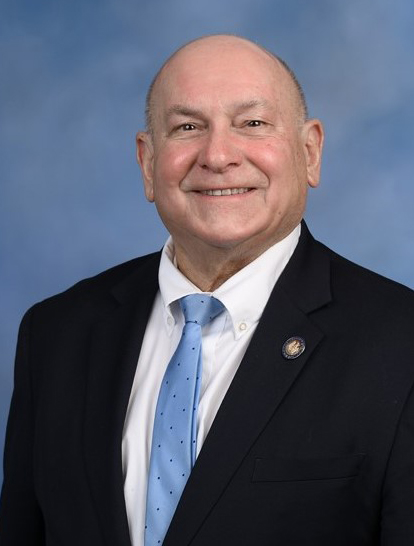
- Sponsors: Assemblymember Dana Levenberg (primary); cosponsors Chris Burdick, Jessica Gonzalez‑Rojas, Micah Lasher.
Purpose and intent
- Establishes statewide standards and procedures to protect intellectual freedom in school and public libraries in New Jersey, ensure access to diverse and developmentally appropriate materials, and protect library staff who curate and manage collections. The act is titled the “Freedom to Read Act.”
Key provisions
- Applicability: Applies to school libraries (boards of education) and public libraries (governing boards).
- Model policies:
- Commissioner of Education must develop a model curation policy for school libraries in consultation with the State Librarian, the New Jersey Association of School Librarians, and the New Jersey School Boards Association.
- The State Librarian must establish a model policy for public libraries in consultation with the New Jersey Library Association.
- Required local policies: Boards of education and public library governing boards must adopt written policies on curation and on procedures to handle requests to remove or challenge library material. Minimum elements include:
- Recognition that libraries should present diverse points of view and provide materials for students’ interest, information, and enlightenment.
- Prohibition on removing or excluding material based on the origin, background, or viewpoint of the author or contributors (i.e., prohibition on viewpoint‑based censorship).
- Requirement to provide student access to developmentally appropriate, age‑ or grade‑relevant materials, including “diverse and inclusive” material (defined with reference to protected classes in the Law Against Discrimination), excluding materials inappropriate for the grade/age served.
- Procedures for ongoing review of collections (e.g., relevance, condition, duplicates, newer materials, demand).
- A challenge/removal process: a removal request form, creation of a review committee, and a requirement that final determinations be accompanied by a written statement of reasons.
- Definitions: The law defines core terms such as “library material,” “censorship,” “diverse and inclusive material,” and “school library staff member.”
- Protections for staff: School library staff, librarians, and public library staff are immune from civil and criminal liability for good‑faith actions taken in compliance with the act. (Earlier versions also addressed harassment/defamation concerns against staff.)
Who is affected
- Local boards of education and public library governing boards (must adopt or update policies).
- School library staff, media specialists, librarians, and public library staff (curation responsibilities and immunity protections).
- Students, parents, guardians, and community residents (access to and ability to challenge library materials).
- Libraries and local administrators will have new procedural and recordkeeping duties tied to adoption and implementation of policies and review procedures.
Procedural and implementation notes
- Boards retain control over local policy content but must meet the statutory minimum requirements and may use the provided model policies.
- If a board already has a compliant policy in place at the law’s effective date, no further action is required.
- The model policies are to be developed in consultation with specified professional associations and updated as needed by the Commissioner/State Librarian.
Potential impacts (practical effects)
- Creates standardized, transparent processes for handling challenges to library materials and limits ad‑hoc removals based on viewpoint.
- Provides legal protections to library staff acting in good faith.
- Imposes administrative duties on local education and library governing bodies to adopt and maintain written policies and challenge procedures.