Summary of New York Assembly Bill A 3830
Status: Referred to Ways and Means (Introduced January 30, 2025)
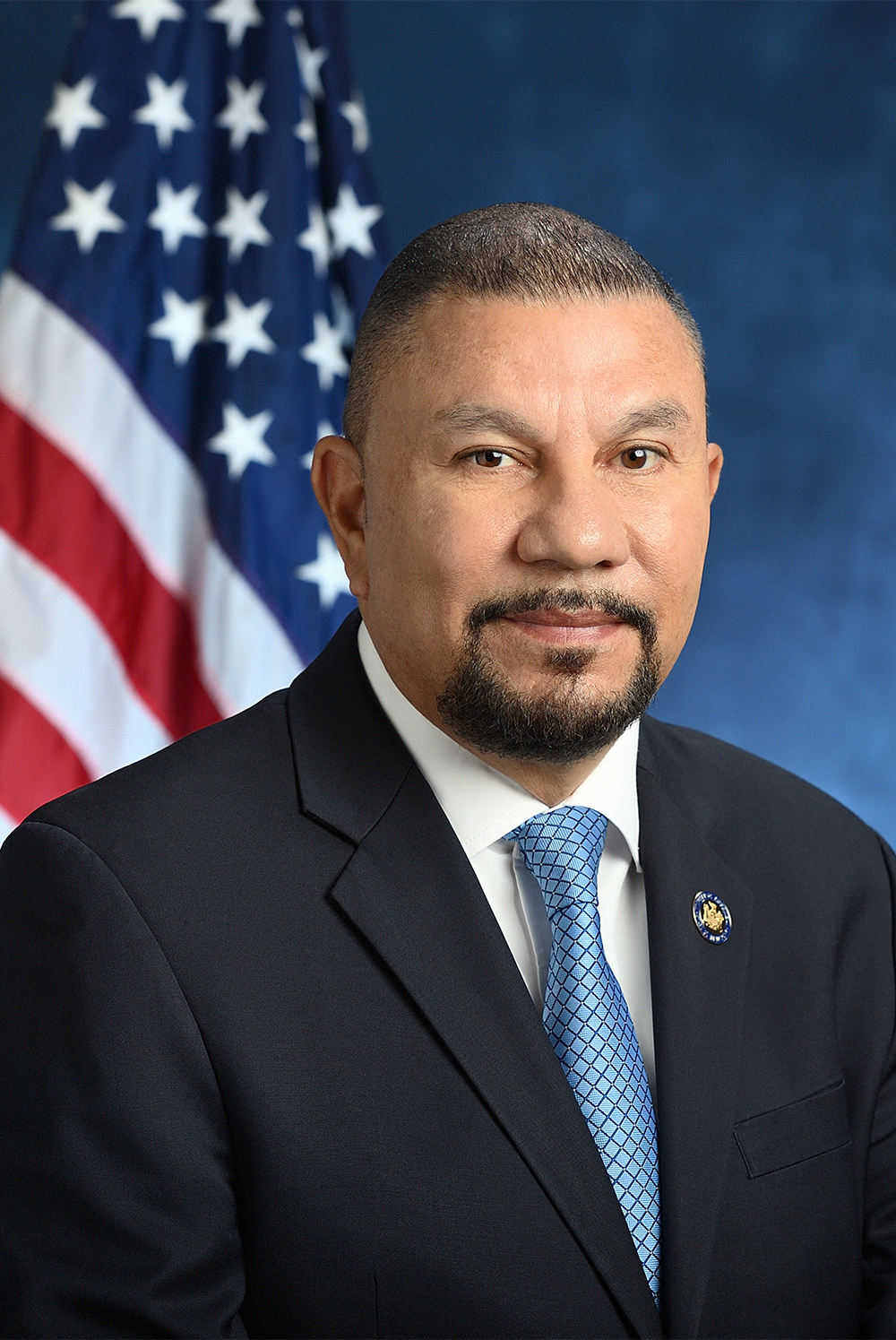
Sponsor: Philip Ramos (primary)
Related bills: A 7113 (prior-session), A 4852 (prior-session); S 5086 (companion)
Overview
A 3830 would change who receives abandoned property that escheats under New York law. Instead of escheating to the state, the bill would require abandoned land or property to escheat to the Indian nation or tribe that historically occupied the land, or to the nearest nation or tribe. The bill is a repealer of existing law that directs escheat to the state.
Purpose and Intent
- Reallocate escheated property from the state to Indigenous nations or tribes with historical or geographic ties to the land where the property is located.
- Recognize and restore Indigenous sovereignty and relationships to ancestral lands by directing escheat revenue or property to the appropriate nation or tribe.
Key Provisions (highlights)
- Abandoned property escheat destination: Property that would otherwise escheat to the state would instead escheat to the Indian nation or tribe historically occupying the land, or to the nearest such nation or tribe.
- Repealer: The bill repeals existing law that assigns abandoned property escheat to the state.
- Determination framework: The bill would (presumably) establish criteria or processes to identify the relevant Indian nation or tribe with historical occupancy or proximity to the land. (Specific criteria are not provided in the available information.)
- Administrative and legal alignment: The bill would require alignment of escheat procedures with tribal recognition and sovereignty considerations.
Who would be affected
- Abandoned property owners and potential heirs or claimants, whose property would escheat under the new framework.
- Indian nations or tribes with historical occupancy or geographic proximity to lands within New York, as potential recipients of escheated property.
- State and local governments responsible for administering escheat laws and handling abandoned property.
Fiscal and Procedural Implications
- Fiscal impact: Potential shift of escheat-related revenues or property value from the state to designated tribes, with uncertain fiscal effects pending how many properties would be affected and how ownership transfers are administered.
- Administrative changes: Requires new procedures to determine the appropriate claimant (the relevant nation or tribe) and to implement transfers or title changes, including coordination with tribal authorities.
- Transition: The bill is in early stage (Ways and Means referral); details on effective dates or transition timelines are not provided in the available information.
Legislative History and Context
- Introduced: January 30, 2025.
- Status: Referred to Ways and Means.
- Related measures suggest ongoing consideration in companion or prior-session bills (A 7113, A 4852, S 5086).
Potential Considerations
- How disputes would be resolved if multiple tribes claim eligibility or if a land parcel has ambiguous occupancy history.
- Interaction with federal law, tribal sovereignty, and existing state-tribal agreements.
- Administrative capacity to identify, verify, and transfer escheated property to tribes.
Next Steps
- Committee review and potential amendments in Ways and Means.
- Clarification of definitions (e.g., “abandoned property,” “historically occupied,” “nearest nation or tribe”) and transition provisions.
- Analysis of fiscal impact and implementation timeline.