Bill
Sponsor avatar

BILL • US HOUSE

HR 9420

Reproductive Health Care Training Act of 2026

119th Congress
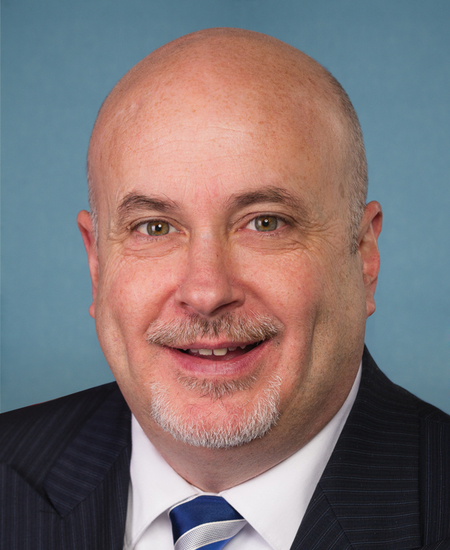
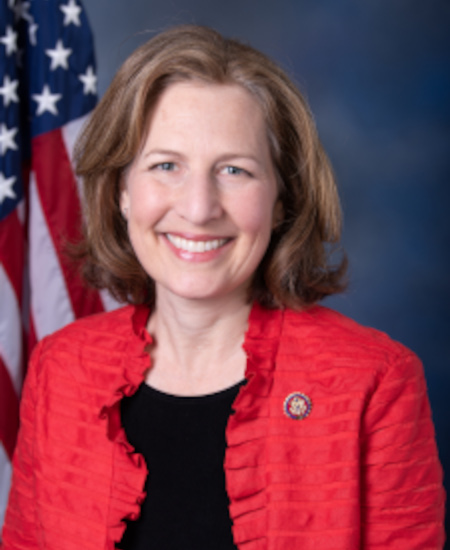
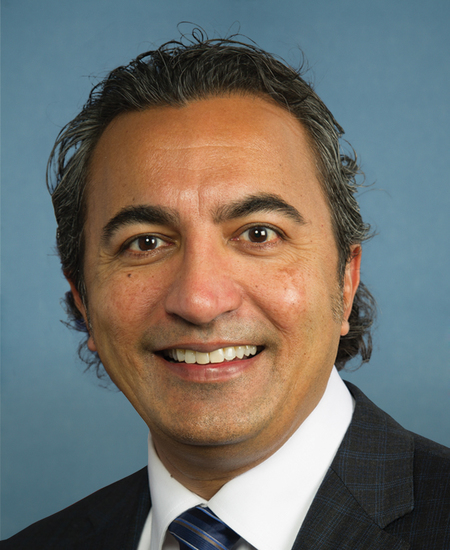
Introduced by Ami Bera, Lizzie Fletcher, Kelly Morrison and 2 other co-sponsors

Creates a HRSA grant program to expand abortion care training for students and clinicians, prioritizing underserved states and communities.

Introduced in House
0
0
Bill Summary · HR 9420

Overview

  • Bill: HR 9420 (Reproductive Health Care Training Act of 2026)
  • Session: 119th Congress
  • Purpose: Establish a federal education program to expand abortion care training and increase access by awarding grants or contracts to eligible entities that provide comprehensive abortion care training.

Main purpose and intent

  • Create an education program administered by the Secretary of Health and Human Services, acting through the Administrator of the Health Resources and Services Administration (HRSA).
  • Fund activities that expand education for students, residents, and advanced practice clinicians in states where comprehensive abortion care training is permitted.
  • Prepare and encourage trainees to serve as abortion providers after completing training.
  • Prioritize training in states with permissive or comprehensive abortion training, and support trainees from states with restricted training, as well as institutions serving minority or underserved populations.

Key provisions and changes

  • Funding and administration

    • Establishes a grant/contract program under the HRSA to support education programs related to abortion care.
    • Eligible entities must use funds to carry out specified activities (subsection e) and provide certifications on compliance and program plans (subsection b).
  • Eligible entities

    • Defined as accredited health professions schools, academic health centers, or other eligible nonprofit health care safety-net providers, including sexual and reproductive health providers, as determined by the Secretary.
  • Priority considerations (subsection d)

    • Awards prioritized to entities in covered states where abortion care training is fully permitted or comprehensively taught.
    • Preference for entities training students/residents/clinicians from states with limited abortion training.
    • Preference for minority-serving institutions or institutions that increase training among underrepresented minority health professionals.
  • Use of funds (subsection e)

    • Expand and support clinical training in abortion care.
    • Develop and operate programs to train health care learners in abortion care, including:
    • Defining clinical training activities (including care for racial/ethnic minorities, people with disabilities, Tribal communities, medically underserved communities).
    • Addressing access challenges and needs of targeted groups.
    • Supporting telehealth related to abortion care.
    • Integrating abortion training into broader health care education.
    • Promoting interprofessional training that includes non-OBGYN abortion providers.
    • Develop or expand partnerships with community health organizations to improve access and outcomes.
    • Improve recruitment and retention of learners from medically underserved communities.
    • Train and support instructors serving underserved communities.
    • Prepare learners for clinical practice that includes abortion care, focusing on medically underserved communities.
    • Provide scholarships or stipends for learners pursuing abortion care training, focusing on underserved communities.
  • Supplement, not supplant (subsection f)

    • Federal funds must supplement, not replace, other funds for Title VII and Title VIII programs under the Public Health Service Act.
  • Reporting (subsection g)

    • Annual reports from awardees on financial and programmatic performance (trainee numbers, disciplines, partnerships, faculty participation, etc.) with non-identifying data.
    • Year-end congressional reports summarizing program impact and outcomes, including access to abortion services, without disclosing identifiable information.
  • Definitions (subsection h)

    • “Covered State”: any state, Puerto Rico, or U.S. territory where comprehensive abortion training is permissible.
    • “Medically underserved community”: as defined in the Public Health Service Act.
  • Funding authorization (subsection i)

    • Authorizes $25 million for each fiscal year 2027–2031 to carry out the section.

Who would be affected

  • Eligible entities: accredited health professions schools, academic health centers, nonprofit health care safety-net providers, and sexual/reproductive health providers that offer abortion care training.
  • Health care students, residents, and advanced practice clinicians in states permitting comprehensive abortion training, and those from states with limited training.
  • Medically underserved communities and minority-serving institutions, which may benefit from targeted training programs and scholarships.

Procedural and timeline aspects

  • Effective date: The bill sets funding for fiscal years 2027–2031, suggesting program implementation would begin after enactment.
  • Administration: Administered by HRSA, within the Health Resources and Services Administration, under the Department of Health and Human Services.
  • Reporting: Requires annual reporting from awardees and end-of-year congressional reporting to relevant committees (Senate HELP, House Energy and Commerce).
  • Appropriations: Authorizes a dedicated program funding of $25 million per year for five years, subject to appropriations.

Potential impacts

  • Expanded access to abortion care training across eligible states, with emphasis on underserved and minority communities.
  • Increased availability of trained abortion providers through scholarships, faculty development, and expanded clinical training.
  • Greater use of telehealth and integrated abortion care training within broader health professions education.
  • Enhanced data collection and accountability through mandated reporting to monitor progress and program effectiveness.

Hi! I'm your AI assistant for HR 9420. I can help you understand its provisions, impacts, and answer any questions.

Key Provisions Impacts Timeline
Sign in to chat

Start the Conversation

Be the first to share your thoughts on this petition. Your voice matters!

Share your opinion above