

WeVote

Bill

Bill

HR 8647

Representative Green's Original Legislation to increase from 9 to 13 the number of justices of the Supreme Court.

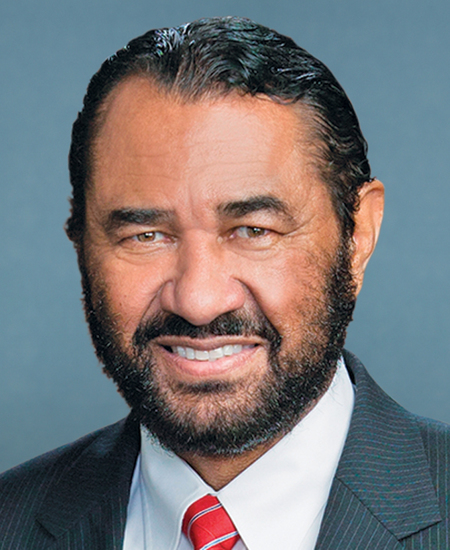
119th Congress Introduced by Al Green

The bill would increase the Supreme Court size from 9 to 13 justices, altering appointment processes and court dynamics.

Introduced in House
0
WeVote Research Nonpartisan
Bill Summary · HR 8647

Summary of HR 8647 (119th Congress) — “Representative Green's Original Legislation to Increase from 9 to 13 the Number of Justices of the Supreme Court”

Note: This summary is based on the bill’s title and basic action history provided. It outlines the main purpose, key provisions, affected parties, and procedural milestones as described in the bill’s introductory text and public records up to the current action history.

Purpose and Intent

  • The bill seeks to modify the size of the Supreme Court by increasing the number of Associate Justices from the current count of 9 to 13.
  • The stated aim is to change the institutional balance and capacity of the Court, potentially affecting how cases are reviewed, which justices participate, and the overall dynamics of constitutional interpretation.

Key Provisions and Changes

  • Judicial Composition: Establishes a cap or mechanism to expand the Supreme Court from 9 justices to 13 justices.
  • Appointment Process: Would alter or specify the process for appointing new justices to achieve the 13-member composition (details not provided in the summary; typically would involve presidential nomination and Senate confirmation for the additional seats).
  • Terms and Retirement: The bill may address terms, tenure, or retirement considerations for the added seats (exact provisions not listed in the summary provided).
  • Operational Rules: Potential changes to how the Court functions with more justices (e.g., quorum, voting dynamics, conference processes) but specific procedural rules would be defined in the bill text.

Note: The exact text of HR 8647 would provide precise language on the number of seats added, eligibility, nomination and confirmation timelines, and any transitional provisions.

Affected Parties and Impacts

  • Executive Branch: The President would nominate the additional justices; the Senate would confirm them, increasing the scope of nominations for vacancies on the Supreme Court.
  • Judiciary: The Supreme Court itself would operate with four additional justices, altering case selection dynamics, potential ideological balance, and decision-making processes.
  • Litigants and Public: Access to a larger Court could impact the speed of review for high-profile cases, the potential for more diverse judicial perspectives, and the interpretation of constitutional and federal law.

Procedural and Timeline Aspects

  • Introduction: The bill was introduced in the House.
  • Referral: On May 4, 2026, the bill was referred to the House Committee on the Judiciary.
  • Next Steps: The committee would review, hold hearings if warranted, and vote on whether to send the bill to the full House for consideration. If advanced, it would require passage by the House and then action in the Senate (including potential conference processes) and ultimately the President’s signature or veto override.

Sponsors

  • Primary Sponsor: Representative Green
  • Co-sponsor: Representative Al Green

Important Considerations

  • Public and political debate surrounding court-packing proposals often centers on constitutional, legal, and institutional implications, including interpretations of federal judiciary structure, potential impacts on judicial independence, and long-term effects on constitutional doctrine.
  • The bill’s success would depend on broader political support and alignment across the two houses of Congress and the President.

If you can provide the full text or further details of HR 8647, I can update this summary with precise statutory language, specific provisions, timelines for implementation, and any transitional arrangements.

Compiled from official sources — confirm details with the bill’s official record.

Sign in to ask a question.