

WeVote

Bill

Bill

A 9665

Repeals a provision of the civil service law relating to resolutions of disputes in the course of collective negotiations with certain deputy sheriffs

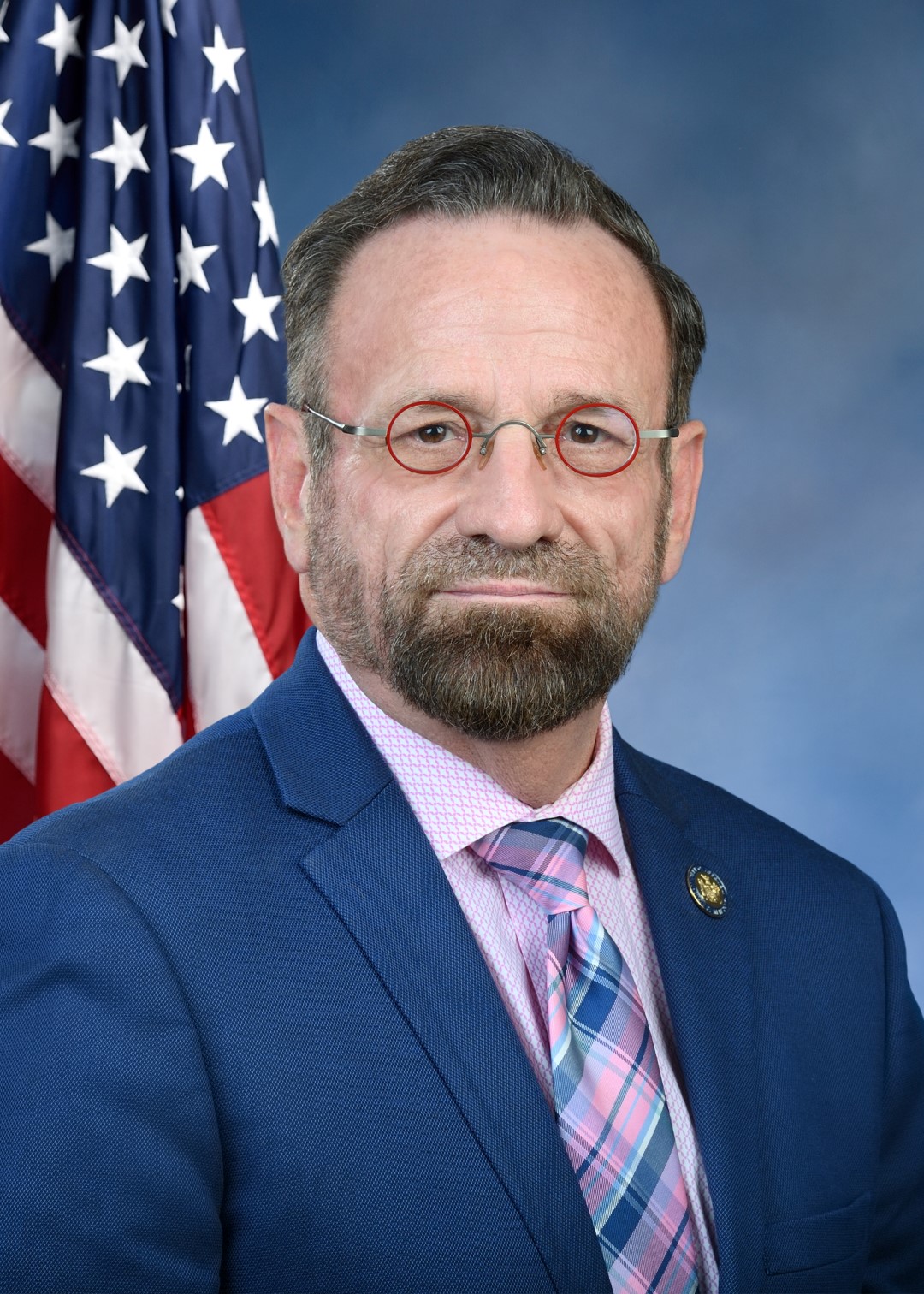
2025 Regular Session Introduced by Harry Bronson and 17 co-sponsors

The bill repeals a specific dispute-resolution provision in the Civil Service Law for deputy sheriffs, removing that framework from collective bargaining disputes immediately upon

REPORTED REFERRED TO WAYS AND MEANS
0
WeVote Research Nonpartisan
Bill Summary · A 9665

Bill Summary: A.9665 (2025-2026) – New York

Overview

  • Official title: An act to repeal paragraph (g) of subdivision 4 of section 209 of the civil service law, relating to resolutions of disputes in the course of collective negotiations with certain deputy sheriffs.
  • Jurisdiction: New York
  • Session: 2025-2026
  • Introduced by: Assembly member Cashman, with multiple co-sponsors
  • Status: Referred to Governmental Employees (01/21/2026); reported referred to Ways and Means (02/04/2026)
  • Effective date: Immediate upon enactment

Purpose and Intent

  • The bill repeals a specific provision (paragraph (g)) of subdivision 4 of section 209 of the Civil Service Law.
  • The change removes a mechanism or provision currently governing resolutions of disputes in the course of collective negotiations with certain deputy sheriffs.
  • By repealing this provision, the bill aims to modify or eliminate the formal resolution framework for disputes between employers (likely a public employer such as a sheriff’s office or county government) and certain deputy sheriff personnel during collective bargaining or negotiations.

Key Provisions

  • Section 1: Repeals paragraph (g) of subdivision 4 of section 209 of the Civil Service Law. The exact text of the repealed paragraph is not provided in the summary, but its removal indicates the elimination of a specified dispute-resolution procedure within the collective bargaining process for deputy sheriffs.
  • Section 2: Provides that the act take effect immediately upon enactment.

Who/What Is Affected

  • Primary affected group: Deputy sheriffs (or specified deputy sheriff personnel) covered under the Civil Service Law’s collective bargaining framework in New York.
  • Broader impact: Employers and unions involved in collective negotiations with this class of deputy sheriffs, as well as any state or local agencies implementing the Civil Service Law provisions related to dispute resolution for these employees.

Procedural and Timeline Aspects

  • Introduction date: January 21, 2026
  • Committee references:
    • Governmental Employees (initial referral)
    • Ways and Means (after referral, indicating potential budget and fiscal review considerations)
  • Effective date: Immediate upon enactment, meaning the repeal would apply to disputes resolved after the act becomes law (and likely to ongoing disputes depending on the language of the repeal and any transitional provisions, though no transitional language is provided in the summary).

Potential Impacts and Considerations

  • By repealing the specified dispute-resolution provision, the bill could:
    • Change how disputes during collective bargaining with deputy sheriffs are resolved (e.g., removing a particular mechanism such as an expedited process, mediation, arbitration, or a prior step governed by paragraph (g)).
    • Shift responsibility to other existing mechanisms within the Civil Service Law or to separate statutes/policies governing dispute resolution.
    • Affect timelines and outcomes of negotiations and potential grievances for deputy sheriffs and their unions.
  • Fiscal and administrative implications could be reviewed by Ways and Means given the potential budgetary impact of any altered dispute-resolution process.

Summary in Plain Language

A.9665 repeals a specific provision in New York’s Civil Service Law that previously regulated how disputes were resolved during collective bargaining with certain deputy sheriffs. The repeal removes that particular dispute-resolution framework, with the act taking effect immediately upon enactment. The change will affect deputy sheriffs and the entities that negotiate with them, potentially altering the process and timing of resolving bargaining disputes.

Compiled from official sources — confirm details with the bill’s official record.

Sign in to ask a question.