

WeVote

Bill

Bill

SB 683

Removing certain requirements for private, parochial, or church schools

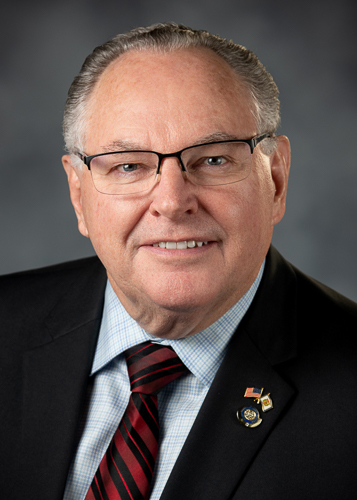
2026 Regular Session Introduced by Rollan Roberts

SB 683 would reduce regulatory requirements on private, parochial, and church schools in West Virginia, easing oversight and reporting burdens.

To Finance
0
WeVote Research Nonpartisan
Bill Summary · SB 683

Bill Summary: SB 683 (Session 2026, West Virginia)

Purpose and intent

SB 683 is designed to modify certain regulatory requirements governing private, parochial, or church schools in West Virginia. The bill appears to focus on relaxing or removing specific current requirements that apply to these non-public schools, with the stated aim of adjusting the regulatory burden on such institutions. The sponsor is Rollan Roberts, with a co-sponsor listed.

Key provisions and changes (what the bill would do)

  • Alters or eliminates certain requirements imposed on private, parochial, or church schools. While the exact text is not provided in the available material, standard areas affected by similar bills typically include:
    • Accrediting or reporting requirements
    • Curriculum or teaching standards
    • Health, safety, or facilities compliance
    • Submission of data or audits to state authorities
  • The bill’s emphasis is on reducing regulatory obligations for non-public educational institutions, potentially including:
    • Fewer mandatory inspections or expedited processes for compliance
    • Relaxed reporting schedules or data submission requirements
    • Modifications to oversight or enforcement mechanisms for these schools

Who would be affected

  • Private schools, parochial schools, and church-affiliated schools operating in West Virginia
  • Administrators and governing boards of such schools
  • Potentially, parents and students who attend non-public schools, indirectly through changes in school operations or funding discussions
  • State education agencies and legislative committees involved in oversight and implementation

Procedural and timeline aspects

  • History indicates introduction in January 2026, with initial referrals to Education (School Choice) committee and then Finance.
  • The bill progressed to “Reported do pass, but first to Finance” on February 6, 2026, suggesting:
    • The committee of reference evaluated fiscal implications before a full chamber vote
    • Possible amendment considerations focused on cost or budget impact
  • As with many WV bills, final passage would depend on subsequent committee hearings, potential amendments, and votes in both chambers, followed by any required gubernatorial action.

Fiscal and compliance considerations

  • The action note “to Finance” implies there are fiscal implications to the bill, which could relate to:
    • Reduced state reporting or oversight costs for private schools
    • Administrative costs saved or shifted within the education department
    • Potential impacts on state funding formulas or eligibility criteria (if any private school programs interact with public funding or state-supported initiatives)

Practical impact and considerations for readers

  • For administrators of private, parochial, or church schools: Possible relief from certain regulatory requirements, enabling more autonomous operation and reduced administrative burden.
  • For state regulators: A shift in oversight scope and potential changes to compliance tracking and reporting processes.
  • For families: Indirect effects through how non-public schools model curricula, safety standards, and reporting practices, though direct impacts on student funding or admission policies are not specified.

If you’d like, I can refine this with the exact bill language or create a side-by-side comparison with current law to highlight specific provisions once the official text is available.

Compiled from official sources — confirm details with the bill’s official record.

Sign in to ask a question.