
WeVote

Bill

Bill

SB 3985

RELIGIOUS ASSEMBLY-EMERGENCIES

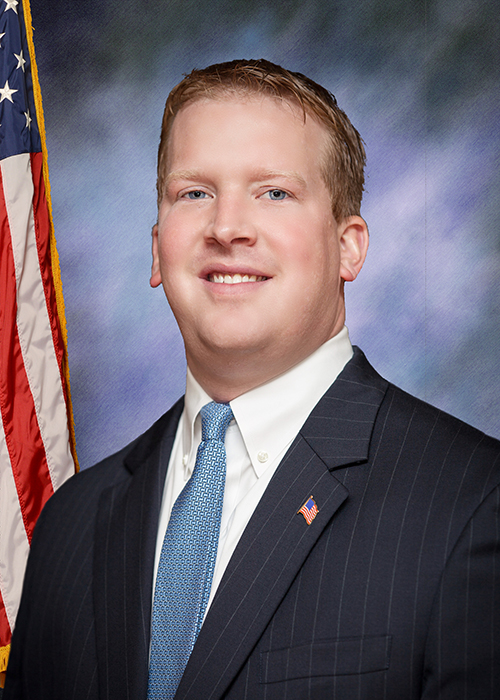
104th Regular Session Introduced by Jason Plummer

Sets rules for religious gatherings during emergencies to balance public safety with freedom of worship.


0
WeVote Research Nonpartisan
Bill Summary · SB 3985

Summary of SB 3985 (104th Illinois General Assembly)

Purpose and intent

  • SB 3985 is titled “Religious Assembly – Emergencies” and is sponsored by legislators in Illinois, with Jason Plummer listed as a co-sponsor.
  • The bill appears to address the status, rights, and requirements of religious assemblies during emergencies, balancing public safety concerns with religious freedom and assembly rights.

Key provisions and changes (what the bill would do)

  • Establishes rules or guidance governing religious assemblies during declared emergencies (e.g., natural disasters, public health emergencies, or other state or local emergency declarations).
  • May specify when gatherings can be restricted, phased reopening, capacity limits, sanitation requirements, or other safety measures tailored to religious services or assemblies.
  • Could create exemptions or protections for religious entities from general emergency orders, or alternatively outline how emergency orders apply to religious gatherings.
  • May define enforcement mechanisms, penalties for noncompliance, or remedies for violated provisions.
  • Could address coordination with public health authorities, law enforcement, and local governments to implement emergency-related restrictions or accommodations for religious assemblies.
  • Might include rights-based protections to prevent discrimination against religious gatherings in the application of emergency orders.

Who would be affected

  • Religious organizations, congregations, temples, mosques, and other places of worship hosting assemblies.
  • Clergy, religious leaders, and associated staff responsible for organizing services and events.
  • Members of religious communities and attendees at religious gatherings.
  • Local governments, state agencies, and law enforcement responsible for enforcing emergency orders and coordinating with religious communities.

Procedural and timeline aspects

  • If enacted, the bill would take effect on a specified date or upon proclamation of the Governor or relevant emergency declaration, with transition provisions for existing orders.
  • It may require early implementation measures, notices to religious organizations, or a phased approach to restrictions and allowances.
  • Potential for waivers, hearings, or uniform standards to ensure consistency across jurisdictions within Illinois.

Potential impacts and considerations

  • Aims to provide clarity and predictability for religious groups during emergencies, reducing confusion between general emergency orders and exemptions for worship-related activities.
  • Seeks to protect public health while safeguarding the free exercise of religion and the right to assemble.
  • The balance between safety mandates and religious liberty could influence how emergency powers are exercised at state and local levels.
  • Depending on text, there could be tension between broad emergency authority and protections against discriminatory or uneven treatment of religious gatherings.

Note: This summary is based on the bill title and sponsor information. For precise language, definitions, thresholds, specific exemptions, penalties, and effective dates, please refer to the official bill text and fiscal notes.

Compiled from official sources — confirm details with the bill’s official record.

Sign in to ask a question.