

WeVote

Bill

Bill

SB 168

Relating to unprofessional conduct by mental health providers who attempt to change the sexual orientation of a child.

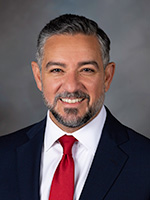
89th Legislature (2025) Introduced by César Blanco and 3 co-sponsors

Texas bill classifies conversion therapy attempts on minors as unprofessional conduct, imposing penalties on licensed mental health providers who pursue sexual orientation change efforts.

Referred to Health & Human Services
0
WeVote Research Nonpartisan
Bill Summary · SB 168

Legislative bill overview

SB 168 would classify as unprofessional conduct any attempts by licensed mental health providers to change a minor's sexual orientation through therapeutic intervention. The bill establishes penalties for mental health professionals who engage in such practices, which are commonly referred to as "conversion therapy." This legislation aims to protect minors from practices that major medical organizations have concluded are ineffective and potentially harmful.

Why is this important

Conversion therapy practices remain legal in most U.S. states despite opposition from major medical organizations including the American Psychological Association, American Medical Association, and American Psychiatric Association. Minors cannot legally consent to such treatment, creating a vulnerability protection issue. The bill addresses whether states should use professional licensing as a regulatory mechanism to restrict these practices.

Potential points of contention

  • Parental rights vs. child protection: Opponents may argue this limits parental decision-making authority in their children's medical care, while supporters contend minors need protection from potentially harmful practices regardless of parental wishes
  • Definition precision: Questions about how "attempting to change sexual orientation" is defined—whether this includes general counseling, discussions about identity, or only explicit conversion practices—could affect implementation
  • Religious practice concerns: Some may view this as government overreach into faith-based counseling approaches, while others argue professional licensing standards should apply equally regardless of religious motivation

Compiled from official sources — confirm details with the bill’s official record.

Sign in to ask a question.