

WeVote

Bill

Bill

HB 2219

Relating to the eligibility of a student with fetal alcohol spectrum disorder for special education services provided by a public school.

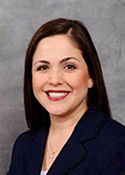
89th Legislature (2025) Introduced by Ana Hernandez

Texas bill makes Fetal Alcohol Spectrum Disorder an explicit qualifying disability for student special education services in public schools.

Referred to Public Education
0
WeVote Research Nonpartisan
Bill Summary · HB 2219

Legislative bill overview

HB 2219 would establish or clarify eligibility criteria allowing students diagnosed with Fetal Alcohol Spectrum Disorder (FASD) to qualify for special education services in Texas public schools. Currently, FASD may not be explicitly recognized as a qualifying disability category under existing special education frameworks, potentially leaving affected students without needed academic and behavioral support services.

Why is this important

FASD affects brain development and can cause significant cognitive, behavioral, and learning challenges that impact academic performance and social integration. Explicit eligibility would ensure students with this condition receive appropriate accommodations, individualized education plans, and specialized instruction, reducing barriers to educational success and potentially improving long-term outcomes.

Potential points of contention

  • Cost implications: Expanding special education eligibility categories requires funding for additional services, assessments, and trained personnel; districts may face budgetary pressures
  • Diagnostic clarity: FASD diagnosis can be complex and varies in severity; questions may arise about diagnostic standards, who determines eligibility, and potential over- or under-identification
  • Existing framework alignment: The bill's interaction with current disability categories under IDEA and Texas Education Code needs clarification—whether FASD becomes a standalone category or fits within existing ones like "Other Health Impairment"

Compiled from official sources — confirm details with the bill’s official record.

Sign in to ask a question.