

WeVote

Bill

Bill

SB 2721

Relating to the deceased, including requirements for donating or claiming bodies or anatomical specimens, the licensing and regulation of persons who provide services or conduct education or research in relation to the deceased, and responsibilities of political subdivisions for certain bodies after death; creating criminal offenses; authorizing administrative penalties; requiring occupational licenses; authorizing fees.

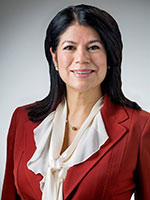
89th Legislature (2025) Introduced by Carol Alvarado and 8 co-sponsors

SB 2721 establishes state licensing, regulation, and criminal penalties for handling deceased bodies and anatomical specimens while clarifying donation and county responsibilities.

Placed on General State Calendar
0
WeVote Research Nonpartisan
Bill Summary · SB 2721

Legislative bill overview

SB 2721 establishes comprehensive state regulation of how deceased bodies and anatomical specimens are handled, donated, and used. It creates licensing requirements for professionals working with the deceased, sets criminal penalties for violations, and clarifies local government responsibilities for unclaimed bodies.

Why is this important

This bill directly affects funeral homes, medical schools, research institutions, organ donation programs, and how counties manage bodies of deceased individuals without identifiable families. It creates legal standards for a previously fragmented system and establishes penalties for improper handling of human remains—a matter of significant public trust and dignity.

Potential points of contention

  • Licensing costs and compliance burden: New occupational licensing requirements may increase operational costs for funeral homes and medical institutions, potentially affecting smaller providers disproportionately
  • Donation consent clarity: The bill's specific requirements around who can authorize body/specimen donation could conflict with existing family preferences or religious practices, requiring clear guidance on priority hierarchies
  • Local government financial impact: Mandating county responsibilities for unclaimed bodies without corresponding state funding could shift costs to already-strained local budgets
  • Criminal offense definitions: Creating new criminal offenses requires precise language to avoid prosecuting good-faith errors by practitioners unfamiliar with detailed regulations

Compiled from official sources — confirm details with the bill’s official record.

Sign in to ask a question.