

WeVote

Bill

Bill

HB 5658

Relating to the creation of the Craver Ranch Municipal Management District No. 1; providing authority to issue bonds; providing authority to impose assessments and fees; granting a limited power of eminent domain.

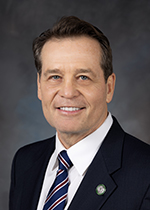
89th Legislature (2025) Introduced by Brent Hagenbuch and 1 co-sponsor

Texas bill creates Craver Ranch Municipal Management District with authority to levy assessments, issue bonds, and exercise eminent domain for infrastructure development in designated area.

See remarks for effective date
0
WeVote Research Nonpartisan
Bill Summary · HB 5658

Legislative bill overview

HB 5658 creates the Craver Ranch Municipal Management District No. 1 in Texas, a special taxing district designed to manage infrastructure and services for a specific geographic area. The bill grants the district authority to issue bonds, impose assessments and fees on property owners, and exercise limited eminent domain powers to acquire land necessary for its operations.

Why is this important

Municipal management districts are mechanisms for financing and developing infrastructure—such as roads, water systems, and utilities—in growing areas without requiring direct municipal annexation. This bill enables private development in the Craver Ranch area to be self-funded through property owner assessments rather than city taxpayers, but also creates a new taxing entity with bonding authority that will directly affect property values and owner obligations in the district.

Potential points of contention

  • Property owner burden: Assessments and fees imposed by the district constitute additional taxes on properties within its boundaries, potentially increasing overall tax liability without proportional city services
  • Eminent domain scope: Granting limited eminent domain authority allows the district to seize private property for public purposes, raising concerns about property rights protections and fair compensation standards
  • Accountability and governance: Special districts often operate with less direct public oversight than municipalities, potentially reducing transparency in how funds are collected and spent

Compiled from official sources — confirm details with the bill’s official record.

Sign in to ask a question.