

WeVote

Bill

Bill

SB 1599

Relating to the authority of certain special districts to use operation and maintenance ad valorem tax funds to pay the costs of contracting for or employing peace officers.

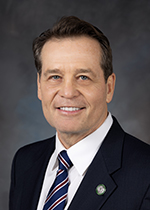
89th Legislature (2025) Introduced by Brent Hagenbuch

SB 1599 permits special districts to spend operation and maintenance tax revenue on contracting or hiring peace officers, expanding law enforcement funding options in underserved areas.

Referred to Local Government
0
WeVote Research Nonpartisan
Bill Summary · SB 1599

Legislative bill overview

SB 1599 allows certain special districts in Texas to use their operation and maintenance (O&M) ad valorem tax revenue to pay for contracting with or directly employing peace officers. Currently, these districts may face restrictions on how O&M tax funds can be allocated, and this bill explicitly authorizes law enforcement costs as a permissible use of those revenues.

Why is this important

Special districts—such as water districts, hospital districts, or fire districts—often serve rural or underserved areas where traditional municipal police services may be unavailable or inadequate. This bill would give these districts greater flexibility to fund their own law enforcement or security personnel, potentially improving public safety in areas that might otherwise lack police protection. However, it represents a shift in how tax revenue is deployed.

Potential points of contention

  • Scope ambiguity: The bill's reference to "certain special districts" is undefined, raising questions about which district types qualify and whether this could expand beyond the original intent
  • Tax purpose creep: Taxpayers who approved O&M taxes for infrastructure or operations may object to funds being redirected toward personnel and salary expenses
  • Accountability concerns: Privately contracted or directly employed peace officers may operate under different standards than municipal police, raising questions about training, oversight, and liability

Compiled from official sources — confirm details with the bill’s official record.

Sign in to ask a question.