

WeVote

Bill

Bill

HB 2167

Relating to public charter schools code provisions

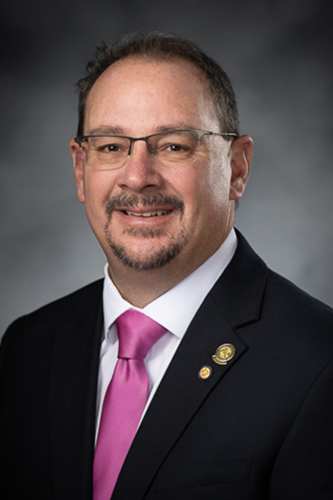
2025 Regular Session Introduced by Wayne Clark and 2 co-sponsors

HB 2167 clarifies public charter school operations in West Virginia, ensuring no full-time tuition, tracking withdrawals, and allowing alternative schools for high-risk students.

Chapter 95, Acts, Regular Session, 2025
0
WeVote Research Nonpartisan
Bill Summary · HB 2167

Summary of House Bill 2167

Bill Number: HB 2167
Title: Relating to public charter schools code provisions
Status: Chapter 95, Acts, Regular Session, 2025
Introduced: January 29, 2025
Classification: Bill
Subject: Education (K-12)

Purpose and Intent

House Bill 2167 aims to amend and clarify provisions related to public charter schools in West Virginia. The bill seeks to ensure that public charter schools operate within a defined framework that aligns with state educational standards while providing flexibility in governance and operations. It addresses various aspects of charter school management, funding, and compliance with educational regulations.

Key Provisions

The bill includes several significant changes and provisions:

  1. Tuition and Fees:

    • Public charter schools are prohibited from charging full-time tuition. They may only impose fees similar to those charged by non-charter public schools, such as for part-time Hope Scholarship enrollment or participation in student activities.
  2. Personnel Management:

    • Charter schools are allowed to employ personnel to manage employee participation in retirement systems and insurance plans.
  3. Withdrawal Tracking:

    • A process is established for tracking students when a parent or guardian withdraws them from a public charter school. The responsibility for tracking the student shifts to the school district of the student’s county of residence.
  4. Teacher Certification:

    • Non-certified or non-licensed public charter school teachers may proctor state assessments under certain conditions.
  5. Application Deadlines:

    • The bill provides different application deadlines for conversion public charter schools and program conversion public charter schools.
  6. Governing Board Authority:

    • Governing board members of public charter schools can be removed by a vote of the board.
  7. Alternative High-Risk Population Schools:

    • The bill allows for the establishment and funding of alternative high-risk population public charter schools, defining eligibility requirements for these institutions.
  8. Funding Requirements:

    • The state board is tasked with establishing rules regarding funding for public charter schools.

Impact

The provisions of HB 2167 will affect:

  • Public Charter Schools: The bill clarifies operational guidelines, funding structures, and governance, enhancing the autonomy of charter schools while ensuring compliance with state educational standards.
  • Students and Parents: By regulating tuition and fees, the bill aims to make charter schools more accessible to families. The tracking process for withdrawn students ensures continuity in education.
  • Teachers: The ability for non-certified teachers to proctor assessments may expand the pool of available educators in charter schools, potentially impacting educational quality and assessment integrity.

Procedural Timeline

  • Introduced: January 29, 2025
  • Passed by House: March 31, 2025
  • Passed by Senate: April 10, 2025
  • Approved by Governor: April 25, 2025
  • Effective Date: July 10, 2025 (90 days from passage)

This summary provides an overview of House Bill 2167, highlighting its purpose, key provisions, and potential impacts on the education system in West Virginia.

Compiled from official sources — confirm details with the bill’s official record.

Sign in to ask a question.