HB 5491 (West Virginia), Session 2026
Relating to open captioning for motion pictures
Overview
- Purpose: Establish a requirement that certain motion pictures shown in specified venues provide open captioning to improve accessibility for people who are Deaf or hard of hearing, and potentially for others who benefit from captions.
Key provisions and changes
- Open captioning requirement: Mandates that motion pictures shown in designated public venues include open captions that are always visible to viewers without needing to enable a captioning option.
- Scope of application: Applies to motion pictures shown in specified cinemas or venues within the state (the bill text in the public summary points to open-captioning obligations for organized screenings).
- Open captioning characteristics: Captions would be permanently displayed on the screen, not dependent on a viewer’s device or on audience-provided technology.
- Compliance standards: The bill likely sets standards or criteria for caption placement, readability, and synchronization with dialogue, though exact technical details are not provided in the summary.
- Enforcement and penalties: The bill presumably includes mechanisms for enforcement, such as state or local oversight and potential penalties for non-compliance, but specific penalties are not listed in the summary provided.
- Public accommodations context: The measure aligns with overall accessibility obligations for public accommodations, ensuring equal access to entertainment for individuals with hearing impairments.
Affected parties
- Primary: Movie theaters and cinemas in West Virginia that screen eligible motion pictures.
- Beneficiaries: Individuals who are Deaf or hard of hearing, and other audiences who benefit from permanent captions.
- Industry impact: Theaters may incur costs related to installing or maintaining open captions (e.g., retrofitting screens, projection equipment, or display methods) and possible ongoing operating costs.
Procedural and timeline aspects
- History: Filed for introduction on February 13, 2026; referred to House Government Organization; introduced in the House on February 13, 2026.
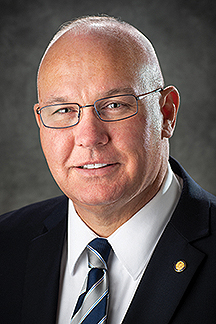
- Sponsorship: Primary sponsor listed as Jeff Campbell (co-sponsor).
- Legislative path: As a House bill, it would proceed through relevant committees (likely Government Organization and possibly others) and, if advanced, to floor consideration and the Senate, with standard WV legislative timelines for 2026 session.
- Implementation timeline: The text provided does not specify an effective date or phase-in period; typical bills of this nature include a compliance date after enactment (e.g., 12–24 months) to allow theaters to come into full compliance.
Notes and considerations
- The summary provided lacks specific numerical details (e.g., exact geographic scope, number of venues covered, transition period, penalties, or funding provisions). The final bill text would clarify these items, including any exemptions (e.g., small venues) and enforcement mechanisms.
- The policy goal is accessibility: ensuring consistent, visible captions for cinema audiences, reducing reliance on audience-provided devices or services.
How to read the bill
- If you’re evaluating this for stakeholders (theaters, disability advocates, general public), focus on:
- Where open captioning would be required (venue type and location).
- What “open captioning” entails (permanent on-screen captions).
- When compliance must begin (effective date) and how compliance will be measured.
- Any exceptions or phased-in timelines.
- Any funding or subsidy provisions to assist venues with implementation.
This summary provides a high-level understanding based on the bill title and procedural notes. For a precise assessment, please refer to the official bill text and any fiscal notes or committee analyses released by the West Virginia Legislature.