

WeVote

Bill

Bill

AB 891

Relating to: eliminating personal conviction exemption from immunizations.

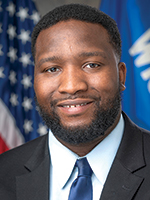
2025-2026 Regular Session Introduced by Darrin Madison and 4 co-sponsors

The bill would repeal the personal conviction exemption from immunization requirements, mandating standard vaccines for students and workers.

Failed to pass pursuant to Senate Joint Resolution 1
0
WeVote Research Nonpartisan
Bill Summary · AB 891

Summary of Assembly Bill 891 (2025 Session, Wisconsin)

1) Purpose and Intent

  • AB 891 seeks to eliminate the personal conviction exemption from immunizations. In practical terms, it would remove the exemption that individuals can claim based on personal, religious, or philosophical beliefs from required immunization standards.
  • The bill is framed as a public health measure to ensure higher immunization coverage and reduce the risk of vaccine-preventable disease in the population.

2) Key Provisions and Changes

  • Repeal of Personal Conviction Exemption: The central provision is the removal of the personal conviction exemption from immunization requirements. The bill would replace or supersede any existing policy allowing individuals to opt out of vaccines for personal beliefs.
  • Continuation of Other Exemptions: The bill does not indicate changes to other exemptions (for example, religious exemptions) in the summary provided. It focuses specifically on the personal conviction exemption.
  • Implementation: The exact timelines, rulemaking authority, and enforcement mechanisms are not detailed in the provided materials. The bill would likely require associated administrative updates (e.g., vaccine records, school/daycare immunization policies) to reflect the new standard.

3) Who or What Would Be Affected

  • Individuals: Prospective and current students, employees, and participants subject to immunization requirements that previously allowed a personal conviction exemption would be affected. They would need to be compliant with the standard immunization schedule if required by institutions or programs.
  • Institutions and Agencies: Schools, daycare centers, higher education institutions, healthcare facilities, and any other settings with immunization requirements would need to enforce the new rule.
  • Public Health Entities: State and local health departments overseeing immunization surveillance, exemptions tracking, and associated reporting would be impacted by procedural changes.

4) Procedural and Timeline Aspects

  • Introduction and Sponsorship: Introduced by Representatives Subeck, Roe, Madison, Stubbs, and Tenorio; cosponsors include Senators Larson and Spreitzer.
  • Legislative Status: As of the latest update, the bill had its first reading and was referred to the Committee on Health, Aging and Long-Term Care. A joint resolution (Senate Joint Resolution 1) appears in the action history, suggesting procedural motions may be involved at the Senate level.
  • Coauthors: Additional representatives added as coauthors include Clancy (as of 2026-02-02).
  • Lobbying and Support: The Wisconsin Academy of Family Physicians is listed as a supporting party, with an indicated notification date. No other lobbying activity is reported in the provided data.

5) Additional Context

  • The bill’s language and any associated fiscal impact (costs to state or local governments, schools, or health systems) are not detailed in the provided materials.
  • If enacted, the bill would align Wisconsin with jurisdictions that do not offer personal belief exemptions for immunizations, potentially affecting school entry requirements and institutional vaccination policies.

If you’d like, I can pull in the full bill text and departmental fiscal notes to add precise dates, implementation timelines, and potential fiscal impacts.

Compiled from official sources — confirm details with the bill’s official record.

Sign in to ask a question.