

WeVote

Bill

Bill

SB 636

Relating to coverage for mental health conditions and substance use disorders under certain governmental health benefit plans.

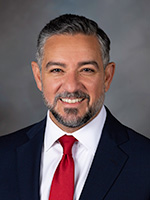
89th Legislature (2025) Introduced by César Blanco and 1 co-sponsor

SB 636 mandates Texas governmental health plans provide equal mental health and substance use disorder coverage as physical health services, improving treatment access for state employees and beneficiaries.

Not again placed on intent calendar
0
WeVote Research Nonpartisan
Bill Summary · SB 636

Legislative bill overview

SB 636 expands mental health and substance use disorder coverage requirements under Texas governmental health benefit plans, likely requiring parity in treatment access, coverage limits, and cost-sharing between mental health/addiction services and physical health services. The bill aims to ensure state employees and other covered populations receive equitable insurance treatment for behavioral health conditions comparable to medical and surgical care.

Why is this important

Mental health and substance use disorders affect workplace productivity, emergency room utilization, and long-term health outcomes. Without adequate coverage parity, individuals may delay or forego necessary treatment, increasing costs elsewhere in the healthcare system. This directly impacts state employee well-being and potentially reduces state healthcare expenditures through preventive mental health access.

Potential points of contention

  • Cost implications: Expanded coverage mandates typically increase insurance premiums; fiscal notes will clarify whether costs shift to employees, employers, or both
  • Provider network adequacy: Requiring coverage doesn't guarantee sufficient mental health providers exist in Texas; could strain existing provider capacity
  • Definition scope: Ambiguity about which conditions qualify and what "coverage" entails (treatment frequency limits, medication access, telehealth parity) may create implementation disputes

Compiled from official sources — confirm details with the bill’s official record.

Sign in to ask a question.