

WeVote

Bill

Bill

SB 513

Relating generally to video lottery

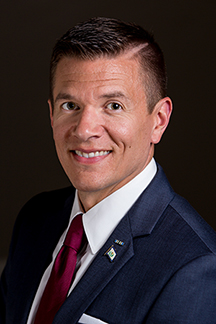
2025 Regular Session Introduced by Ryan Weld

Creates NC Healing Arts Commission to license reflexologists, naturopathic doctors, and music therapists, with oversight to raise standards and protect safety.

To Finance
0
WeVote Research Nonpartisan
Bill Summary · SB 513

SB 513 — North Carolina Healing Arts Commission

Status: Introduced Feb 19, 2025 — Passed 1st Reading

Main purpose

SB 513 would create a new state regulatory structure for certain “healing arts” professions by establishing the North Carolina Healing Arts Commission and authorizing licensure processes for specified professions (reflexologists, naturopathic doctors, and music therapists). The stated intent is to protect public health and safety by setting minimum professional standards, licensure, and regulatory oversight for practitioners using allopathic, complementary, or alternative approaches to prevention, diagnosis, treatment, and wellness.

Key provisions

  • Creates a new Article in Chapter 90 of the General Statutes establishing the North Carolina Healing Arts Act and the North Carolina Healing Arts Commission.
  • Definitions: defines “healing arts,” “healing arts profession,” “North Carolina Healing Arts License,” and “advisory committee.”
  • Commission composition and appointment:
    • Commission made up of two representatives from each covered healing arts profession plus three public members.
    • Initial appointments specified by the Governor and the General Assembly (with recommendations by the President Pro Tempore of the Senate and the Speaker of the House) using staggered initial terms (1–3 years) to establish rotation.
    • After initial terms, members serve three-year terms; new professions added after Jan 1, 2024 get two Commission seats (one gubernatorial appointee and one appointed by the General Assembly), with an alternating recommendation process described for legislative appointments.
  • Member qualifications and restrictions:
    • Members must be U.S. citizens, North Carolina residents, and hold the applicable North Carolina Healing Arts License.
    • Initial profession appointees must be NC residents for at least two years, be certified by a national credentialing body for their profession, be eligible for licensure, and must immediately seek licensure upon appointment.
    • Public members may not be practitioners, employees of practitioners, spouses of licensees, or have significant financial interests in health services.
  • Governance and operations:
    • Advisory committees (one per profession) supervise day‑to‑day regulation, screen license applicants, and conduct investigations to inform the Commission.
    • Commission may remove members for neglect, incompetence, or unprofessional conduct; members can be removed by the Governor for good cause.
    • Members receive no salary but are eligible for expense reimbursement.
  • Licensing: the bill establishes licensure authority and procedures (application screening by advisory committees); text provided is the enabling framework (full licensure standards, qualifications, fees, scope of practice, and disciplinary rules would be set under the Act or by Commission rulemaking).

Who is affected

  • Primary: current and prospective reflexologists, naturopathic doctors, and music therapists practicing in North Carolina — they would be subject to new licensing requirements.
  • Secondary: consumers of healing-arts services, employers (clinics, wellness centers), training and certifying bodies, insurers, and local/regulatory agencies (which may interact with the Commission).
  • State government: administrative workload to stand up and staff the Commission and advisory committees; potential costs for implementation and enforcement.

Procedural/timeline notes

  • Bill introduced Feb 19, 2025 and, per provided information, has passed first reading. If enacted, the bill adds a new statutory Article to Chapter 90; appointments to the Commission and the timing of licensure rulemaking would follow statutory deadlines and administrative rule procedures set out in the bill and implemented by state executive agencies.

Potential impacts / considerations

  • Public protection: establishes oversight, minimum standards, and complaint/discipline processes for covered professions.
  • Practitioner compliance: existing practitioners may need to obtain NC licenses, meet education/certification requirements, and potentially adapt practice or documentation.
  • Administrative costs: state will incur costs establishing and operating the Commission and advisory committees (staff, rulemaking, enforcement); the bill text sets governance but detailed fiscal impacts depend on implementing regulations and appropriations.
  • Market/scope effects: licensure can change how services are marketed, insured, and integrated into health-care settings; it may also affect access depending on licensing requirements and timeline.

If you want, I can: (1) extract the bill’s full appointment schedule and exact statutory language for the Commission section; (2) draft a one‑page explainer for affected practitioners with next steps; or (3) summarize how this bill compares to existing licensing frameworks in neighboring states. Which would you like?

Compiled from official sources — confirm details with the bill’s official record.

Sign in to ask a question.