Summary — S.2345 (2025): Establishing a virtual classroom option for driver's education
Status (as provided)
- Bill number: S 2345
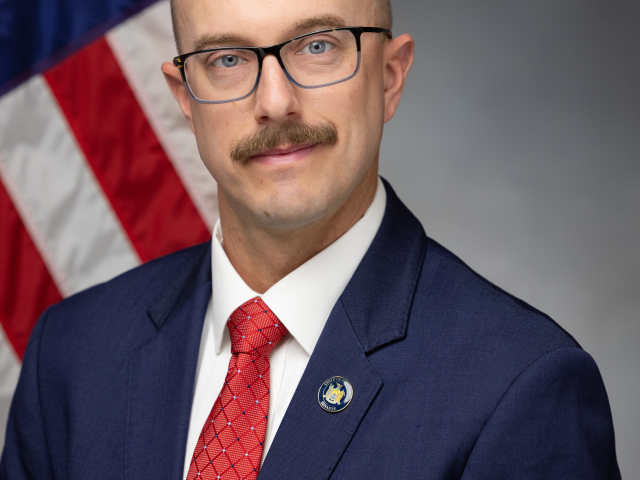
- Presented by: Senator William N. Brownsberger (Suffolk & Middlesex)
- Introduced/Filed dates in text: Filed 01/16/2025; listed as introduced 07/17/2025.
- Committee referral (text): Transportation. Other metadata provided elsewhere lists varied referrals and unrelated actions; see Notes below.
Important note on metadata/consistency
- The official bill text supplied in this packet is a short Massachusetts measure to authorize virtual driver’s education. Other material included in the packet (a New Jersey housing consolidation bill, unrelated sponsor lists, and conflicting procedural dates/committees) appears to be inserted in error and is not part of the Massachusetts driver’s education bill. Readers should verify the official state legislative docket for authoritative status and sponsorship.
Purpose
- To allow virtual classroom instruction — including self‑paced online courses — to count toward the statutory classroom hours required for driver’s education under Massachusetts law.
Key provisions (plain language)
- Amends Chapter 90 of the General Laws:
- Section 8: Inserts the phrase “virtual, including self‑paced online courses or” immediately after the existing words “not less than 30 hours of,” thereby permitting virtual instruction to satisfy the 30‑hour classroom requirement.
- Section 32G: Inserts the phrase “virtual, including self‑paced online courses or” after the words “after the completion of the,” clarifying that virtual courses may fulfill whatever post‑completion requirement is referenced in that section.
- No other programmatic details, standards, certification requirements, funding, or enforcement mechanisms are included in the text provided.
Who is affected
- Teen and new drivers who must complete the 30 hours of driver’s education classroom instruction.
- Driver education providers (private driving schools, high school programs) — they may offer or expand virtual/self‑paced course options.
- The Registry of Motor Vehicles (RMV) and other state regulators — may need to adopt implementing guidance or rules to define acceptable virtual curricula, verify completion, and ensure quality and security.
- Schools, parents, and communities — increased access and scheduling flexibility for required instruction.
Potential impacts and considerations
- Access: Could increase convenience and accessibility (rural learners, scheduling flexibility).
- Quality & safety: Without accompanying standards in the bill, state regulators may need to ensure online coursework meets the same instructional objectives and assessment rigor as in‑person classes.
- Equity: Digital divide concerns (access to reliable internet/devices) may influence who can use virtual options.
- Fiscal: Bill text contains no appropriation or administrative funding.
Procedural/timeline notes
- The supplied bill text is short and amends existing statute; implementation will likely require RMV rulemaking or guidance to operationalize the virtual option.
- Verify the official Massachusetts legislative website for current status, committee assignments, sponsorship, and any amendments.