

WeVote

Bill

Bill

S 6920

Relates to undisclosed self-dealing

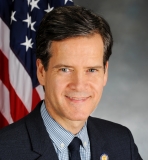
2025 Regular Session Introduced by Brad Hoylman-Sigal

Bill S 6920 prohibits undisclosed self-dealing, enhancing transparency and accountability for public officials and non-profit leaders to protect public trust.

REFERRED TO CODES
0
WeVote Research Nonpartisan
Bill Summary · S 6920

Summary of Bill S 6920: Relates to Undisclosed Self-Dealing

Introduction

Bill S 6920 was introduced on March 26, 2025, and is currently referred to the Codes Committee. This legislation aims to address issues related to undisclosed self-dealing, a practice that can undermine transparency and trust in various sectors, particularly in public service and non-profit organizations.

Purpose and Intent

The primary intent of Bill S 6920 is to enhance accountability and transparency by prohibiting undisclosed self-dealing transactions. The bill seeks to ensure that individuals in positions of authority or trust do not engage in transactions that could benefit themselves or their associates without proper disclosure.

Key Provisions

While the specific text of the bill is not provided, based on the title and common legislative practices, the following key provisions can be anticipated:

  • Definition of Self-Dealing: The bill likely defines what constitutes self-dealing, including transactions where an individual stands to gain financially or personally without appropriate disclosure to relevant parties.

  • Disclosure Requirements: Individuals in specified positions may be required to disclose any potential conflicts of interest or self-dealing transactions to a governing body or oversight committee.

  • Penalties for Non-Compliance: The bill may outline penalties for individuals who fail to disclose self-dealing activities, which could include fines, removal from position, or other disciplinary actions.

  • Reporting Mechanisms: Establishment of a framework for reporting suspected self-dealing activities, potentially involving whistleblower protections to encourage reporting.

Affected Parties

The bill would primarily affect:

  • Public Officials: Individuals in government positions who may engage in self-dealing practices.
  • Non-Profit Organizations: Board members and executives who have fiduciary responsibilities and may be involved in transactions that could benefit them personally.
  • Regulatory Bodies: Agencies responsible for overseeing compliance with the new disclosure requirements.

Procedural Aspects

  • Current Status: As of now, the bill has been referred to the Codes Committee for further consideration.
  • Legislative History: This bill follows a series of related bills from prior sessions (S 500, S 7531, S 124, S 440, S 993, S 3160), indicating ongoing legislative interest in addressing self-dealing and enhancing transparency.

Conclusion

Bill S 6920 represents a significant step towards improving ethical standards and accountability in public and non-profit sectors by targeting undisclosed self-dealing. As it progresses through the legislative process, further details will emerge regarding its specific provisions and potential impacts on affected parties.

Compiled from official sources — confirm details with the bill’s official record.

Sign in to ask a question.