

WeVote

Bill

Bill

A 716

Relates to tuition scholarship award programs for certain resident and non-resident medical students

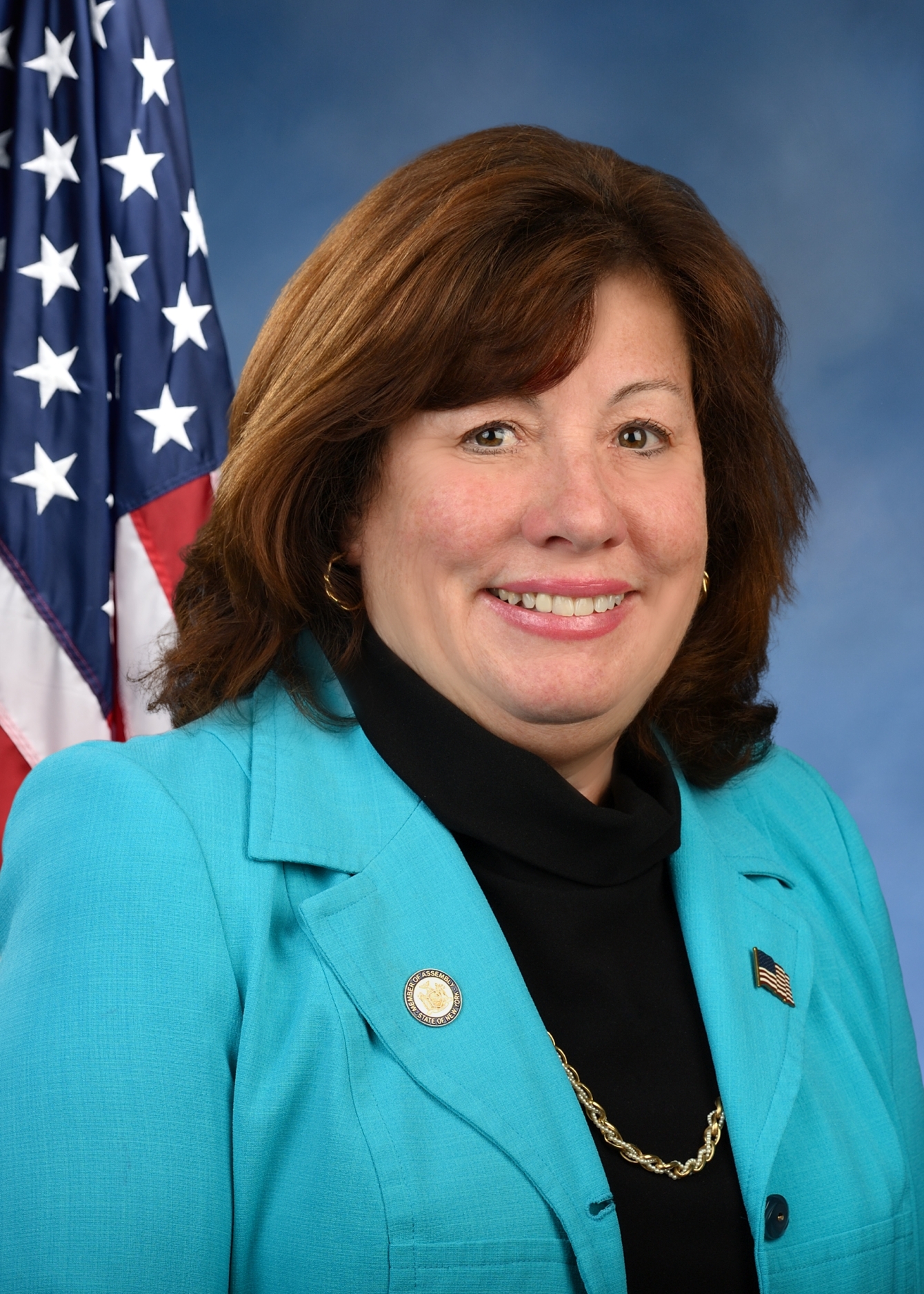
2025 Regular Session Introduced by Marianne Buttenschon

Bill A 716 creates scholarships for resident and non-resident medical students, easing tuition costs and encouraging careers in underserved healthcare areas.

REFERRED TO HIGHER EDUCATION
0
WeVote Research Nonpartisan
Bill Summary · A 716

Summary of Bill A 716

Bill Number: A 716
Title: Relates to tuition scholarship award programs for certain resident and non-resident medical students
Status: Referred to Higher Education
Introduced: January 08, 2025
Classification: Bill

Purpose and Intent

Bill A 716 aims to establish and enhance tuition scholarship award programs specifically designed for certain resident and non-resident medical students. The intent of this legislation is to alleviate the financial burden of medical education, thereby encouraging more students to pursue careers in medicine, particularly in underserved areas.

Key Provisions

  • Tuition Scholarships: The bill proposes the creation of scholarship programs that would provide financial assistance to both resident and non-resident medical students.
  • Eligibility Criteria: The scholarships would be available to students who meet specific criteria, which may include academic performance, financial need, and commitment to serving in medically underserved communities.
  • Funding Sources: The bill may outline potential funding sources for these scholarships, although specific amounts and mechanisms are not detailed in the current version.
  • Program Administration: The bill likely includes provisions for the administration of the scholarship programs, including application processes and oversight responsibilities.

Impact

  • Medical Students: The primary beneficiaries of this bill would be medical students who face high tuition costs. By providing scholarships, the bill aims to make medical education more accessible.
  • Healthcare Workforce: By incentivizing students to enter the medical field, particularly in areas with a shortage of healthcare providers, the bill could contribute to a more robust healthcare workforce.
  • Underserved Communities: The focus on serving medically underserved areas may lead to improved healthcare access and outcomes in those regions.

Procedural Aspects

  • Legislative Status: As of January 08, 2025, the bill has been referred to the Higher Education committee for further consideration.
  • Related Bills: This bill is related to several prior-session bills (A 10198, A 1169, A 1387) and has a companion bill (S 5099) in the Senate, indicating ongoing legislative interest in this area.

Conclusion

Bill A 716 represents a significant step towards addressing the financial challenges faced by medical students and aims to strengthen the healthcare workforce in underserved areas. As it progresses through the legislative process, further details regarding funding and eligibility criteria are expected to emerge.

Compiled from official sources — confirm details with the bill’s official record.

Sign in to ask a question.