

WeVote

Bill

Bill

A 7181

Relates to traffic stops conducted by law enforcement officers involving racial profiling

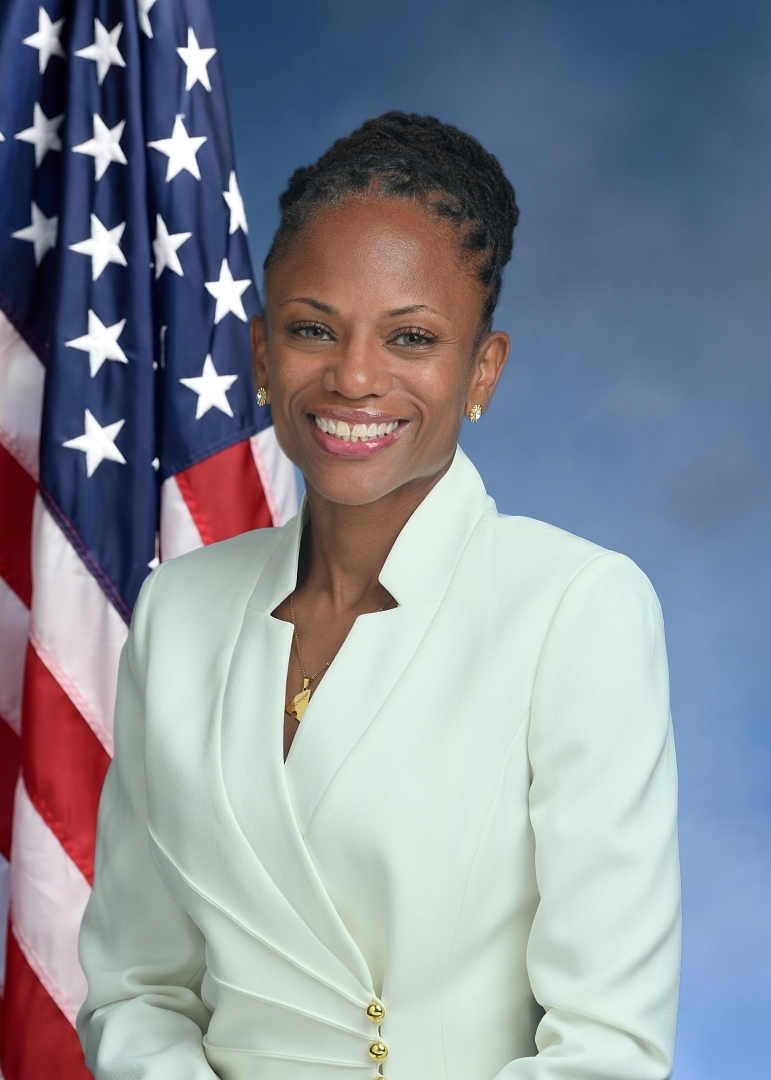
2025 Regular Session Introduced by Monique Chandler-Waterman

A 7181 targets traffic stops and racial profiling, tightening data, oversight, and training to boost fairness and accountability for officers and drivers.

REFERRED TO GOVERNMENTAL OPERATIONS
0
WeVote Research Nonpartisan
Bill Summary · A 7181

Summary: Assembly Bill A 7181

Key Facts

  • Bill Number: A 7181
  • Title: Relates to traffic stops conducted by law enforcement officers involving racial profiling
  • Sponsor (primary): Monique Chandler-Waterman
  • Status: Referred to Governmental Operations
  • Introduced: March 21, 2025
  • Related companion bills: S 4000 (companion)
  • Related Assembly bills (prior-session): A 6398, A 4682, A 4016, A 3546, A 3961, A 253, A 35, A 158, A 6649

Legislative Actions

  • 2025-03-21: Referred to Governmental Operations
  • 2025-03-21: Referred to Governmental Operations (duplicate entry in the record)

Purpose and Intent

  • The bill’s title indicates a focus on traffic stops by law enforcement officers in cases involving racial profiling. Based on the available information, the specific statutory text and obligations are not provided here. The overarching aim of such legislation typically includes improving fairness in traffic stops, enhancing accountability, and reducing discriminatory policing practices.

Provisions (What the bill would do)

  • Specific provisions are not included in the information provided. Therefore, the exact requirements, prohibitions, or duties in A 7181 cannot be listed here.
  • Context from the title and related bills suggests potential areas such bills commonly address, which might include:
    • Data collection and reporting on traffic stops (e.g., stop reason, location, outcome, race/ethnicity of drivers, time, officer identifier).
    • Prohibitions or limitations on profiling-based stops.
    • Training and policy requirements for law enforcement on bias awareness and de-escalation.
    • Oversight, audits, or independent review mechanisms.
    • Administrative or civil remedies for violations of the policy.
  • Note: These are potential provisions inferred from the bill’s subject and related measures; the actual text would specify which provisions A 7181 would implement.

Affected Parties

  • Law enforcement agencies and officers (practices, data reporting, training requirements, oversight).
  • Drivers and members of the public, particularly groups historically affected by racial profiling.
  • Civil rights organizations and watchdog groups that monitoring policing practices.
  • State or local government entities responsible for data collection, reporting, and enforcement.

Procedural and Timeline Considerations

  • Status indicates the bill has been referred to the Governmental Operations committee, a standard step in the Assembly for bills dealing with public policy and governance.
  • Next steps (not specified in the provided information) typically include committee hearings, potential amendments, votes in the Assembly, and, if advanced, consideration in the Senate and potential conference committee for differences between houses.
  • Companion legislation exists in the Senate (S 4000), which may be pursued in parallel.

Additional Notes for Readers

  • No full text or detailed provision language is provided here. To understand the exact requirements, safeguards, and enforcement mechanisms, the official bill text and fiscal notes from the New York State Assembly and Senate should be consulted when released.
  • Updates can be tracked through the Legislature’s bill status portals, using the sponsor and bill number.

Compiled from official sources — confirm details with the bill’s official record.

Sign in to ask a question.