

WeVote

Bill

Bill

A 8820

Relates to the usage of funds in the New York state cannabis revenue fund

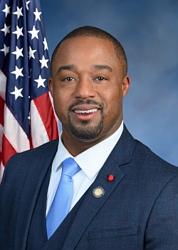
2025 Regular Session Introduced by Landon Dais

A 8820 sets rules for spending New York’s cannabis revenue fund, shaping how funds are allocated to programs, local aid, and oversight.

REFERRED TO ECONOMIC DEVELOPMENT
0
WeVote Research Nonpartisan
Bill Summary · A 8820

Summary of New York A 8820

Key details

  • Bill number: A 8820
  • Title: Relates to the usage of funds in the New York state cannabis revenue fund
  • Sponsor (primary): Landon C. Dais
  • Introduced: June 9, 2025
  • Status: Referred to the Economic Development committee (listed twice in actions)
  • Related (companion): S 8264 (companion bill)

Purpose and scope

  • Based on the title, A 8820 would address how funds within the New York state cannabis revenue fund are used. The exact allocations, restrictions, and budgeting rules are not provided in the available information, but the bill’s intent appears to be to set or modify the framework governing expenditures from this fund.

Key provisions (available information)

  • The full text with specific provisions is not included here. As such, the summary cannot cite precise allocations, programs, or prohibitions. In typical bills of this nature, potential provisions might cover:
    • Eligible uses for cannabis revenue funding (e.g., state programs, local government aid, regulatory operations, public health or education initiatives).
    • Allocation priorities or caps for certain programs.
    • Reporting, oversight, and accountability requirements for how funds are spent.
    • Any sunset or renewal provisions, or mechanisms for reallocation.

Note: The above bullet points are generic expectations for this type of bill and not asserted provisions of A 8820, given the absence of the bill text.

Impact and who would be affected

  • State entities: Agencies responsible for administering the cannabis revenue fund and implementing expenditures would be directly affected (budgeting, reporting, oversight roles).
  • Local governments: If the fund supports local aid or grant programs, municipalities could see changes in funding levels or eligibility criteria.
  • Stakeholders in cannabis programs: Entities receiving funding or program support through the fund (public health, education, economic development initiatives, regulatory activities) could experience shifts in funding envelopes.
  • Taxpayers and the public: Indirectly affected through how cannabis revenues are allocated to public programs and services.

Procedural and timeline notes

  • The bill has been referred to the Economic Development committee, indicating it is in the early drafting/review stage.
  • There is a companion bill in the Senate: S 8264.
  • The duplicate listing of the referral action on the same date appears to be a clerical duplication rather than a substantive change.
  • Next steps typically include committee hearings, potential amendments, and floor votes in both houses before potential enacted status.

Caveat

  • This summary reflects only metadata and the bill’s title. The actual text is necessary to provide a precise description of provisions, allocations, or restrictions.

Compiled from official sources — confirm details with the bill’s official record.

Sign in to ask a question.