Summary — A3950 (Print No. 3950B)
Title: Relates to the submission of requests to the committee on special education for the educational services mandated by an individualized education services program
Introduced: January 30, 2025 (referred to Education)
Current status: Print No. 3950B (amended and recommitted to Education, 2025‑05‑22 and 2025‑06‑10)
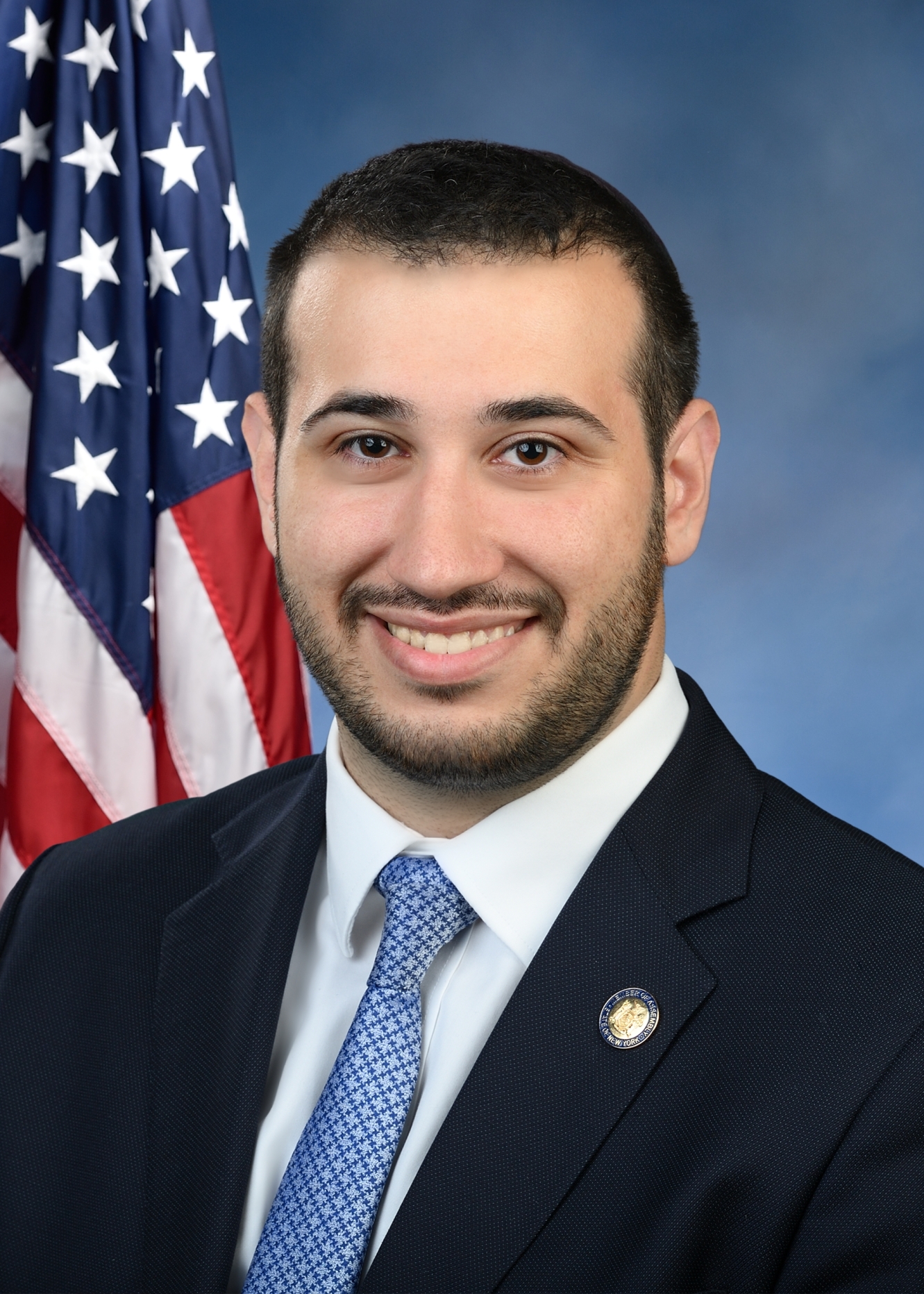
Sponsors: Stacey Pheffer Amato (primary); Cosponsors: Aron Wieder, Sam Berger, Simcha Eichenstein, David Weprin
Companion bill: S1325
Note: The full bill text was not provided; this summary is based on the bill title, legislative history, and typical policy context for Committee on Special Education (CSE) / Individualized Education Services Program (IESP) matters.
Main purpose / intent
A3950 would change or clarify the process by which requests are submitted to the Committee on Special Education (CSE) for delivery of educational services that are mandated by an Individualized Education Services Program (IESP). The stated intent is to ensure that students who are entitled to services under their IESP receive those services in a timely, documented, and administratively clear manner.
Key provisions (based on bill title and context)
Because the bill text is not included here, the title indicates the bill likely does one or more of the following:
- Requires that requests for educational services identified in an IESP be formally submitted to the CSE (or equivalent body) using a specified procedure or form.
- Specifies what documentation must accompany a request (for example: copy of the IESP/IEP, medical or evaluation reports, provider information).
- Establishes timeframes for submission, acknowledgement, and CSE/district action on requests to help ensure timely initiation of mandated services.
- Clarifies roles and responsibilities of parents/guardians, school districts, nonpublic schools, and service providers in making and processing requests.
- May create procedural safeguards or a mechanism to track/appeal delays or denials in delivering mandated services.
Who would be affected
- Students with disabilities who have an IESP and the families/guardians who advocate for their services.
- Local education agencies (school districts), school-based CSEs, and the Department/Committee on Special Education staff responsible for implementing IESP-mandated services.
- Nonpublic schools and external service providers that deliver related services (e.g., speech, OT, counseling) under an IESP.
- Potentially county/state education administrators if the bill imposes new reporting or compliance duties.
Potential impacts and implementation considerations
- Administrative: districts and CSEs may need to adopt new forms, tracking systems, or workflow changes to comply with submission and timeline requirements.
- Timeliness and access: if the bill shortens or clarifies timelines, eligible students could receive mandated services more quickly.
- Training and guidance: the State Education Department or local districts likely would need to issue guidance and train staff and providers on new procedures.
- Fiscal: depending on procedures and any required reporting or staffing changes, there could be modest administrative costs; the bill title does not indicate new service funding.
Legislative history / next steps
- Introduced 2025‑01‑30 and referred to the Assembly Education Committee.
- Print numbers issued: A3950A (5/22/2025) and A3950B (6/10/2025). The bill was amended and recommitted to the Education Committee on 5/22/2025 and again on 6/10/2025.
- Companion bill S1325 exists in the Senate.
If you want, I can:
- Locate and summarize the full bill text (A3950B) and any committee memos or fiscal notes, or
- Compare A3950 to companion S1325 and summarize differences.