

WeVote

Bill

Bill

A 9470

Relates to the release of certain surveillance footage to law enforcement agencies

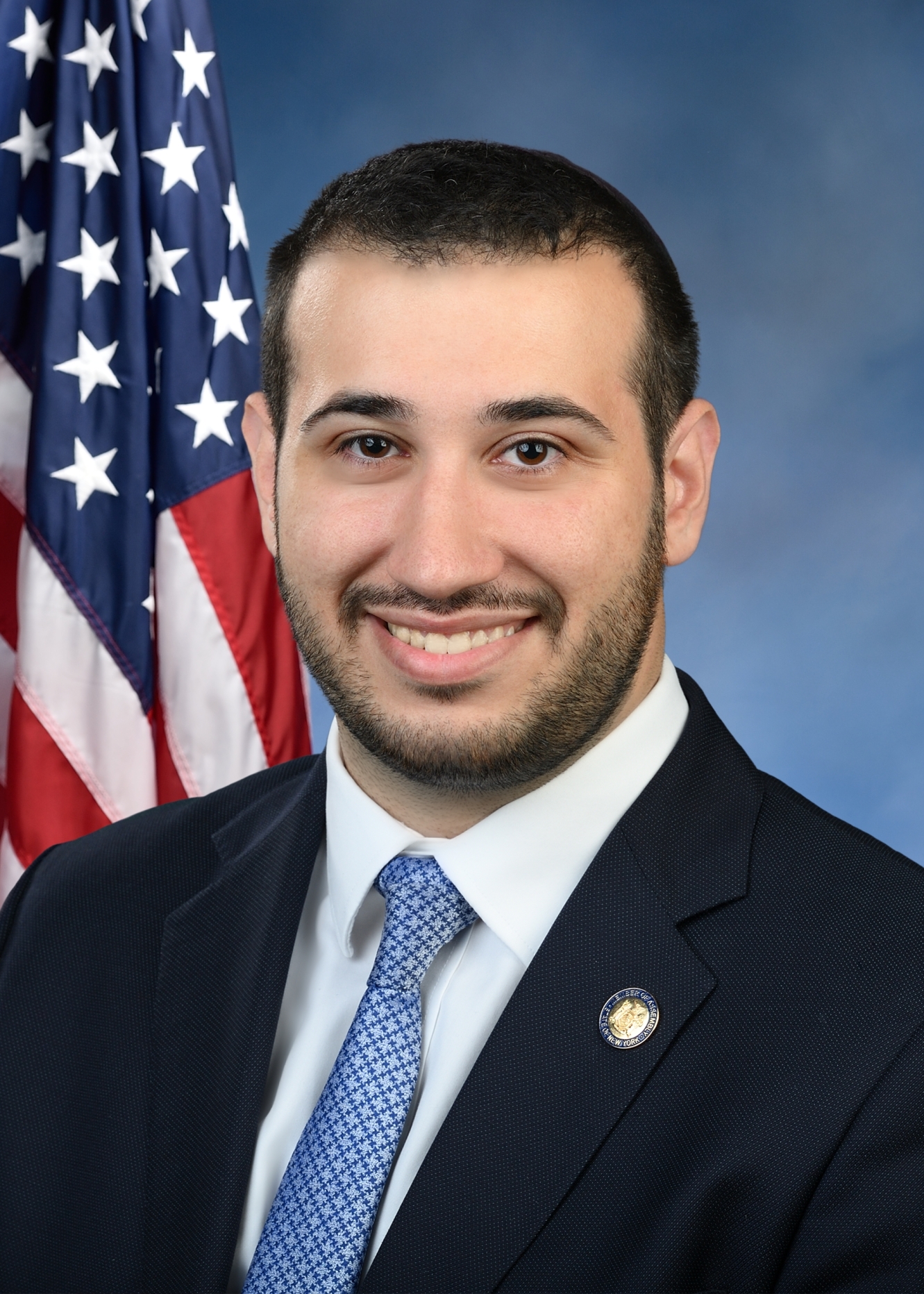
2025 Regular Session Introduced by Sam Berger and 11 co-sponsors

Requires NY businesses to immediately release surveillance footage relevant to ongoing felony investigations upon a written request, with protections, penalties, and reporting.

PRINT NUMBER 9470B
0
WeVote Research Nonpartisan
Bill Summary · A 9470

Bill overview

  • Name: A 9470-A (Edeedson 'Joshy' Cine, Jr. transparency act)
  • Jurisdiction: New York, 2025-2026 session
  • Purpose: Amend general business law to require certain surveillance footage to be released to law enforcement upon request, with protections and penalties, and with reporting on implementation and challenges.

Main purpose and intent

  • Establish a clear obligation for businesses in New York that possess surveillance footage relevant to an ongoing felony investigation to immediately release the footage to a law enforcement agency upon a formal written request.
  • Provide procedures to preserve footage when a potential offense is known or suspected, and to protect employees from retaliation for complying with requests.
  • Create time-limited review and potential court delay options to balance investigative needs with privacy and legal considerations.
  • Impose penalties for noncompliance and require reporting on compliance and challenges.

Key provisions and changes

  1. Definitions

    • Surveillance footage: video recordings from security cameras in public areas or on private property that may be relevant to an investigation.
    • Law enforcement agency: as defined in the statute (aligned with existing criminal procedure law).
  2. Release requirement (to law enforcement upon request)

    • Any person, firm, or corporation doing business in New York that has surveillance footage relevant to an ongoing felony investigation on the business premises must immediately release the footage upon receipt of a formal written request detailing relevance.
    • If a felony offense has occurred or may have occurred on the premises, or when a request is received, the business must take reasonable steps to ensure footage is not recorded over, deleted, or destroyed.
  3. Protections for compliance

    • No retaliatory action against employees who comply with such requests, regardless of the business’s existing footage retention or release policies.
  4. Exceptions and delay mechanisms

    • Reasonable time to consult counsel before releasing footage, up to but not exceeding 24 hours.
    • Option to seek a court order to delay release if the footage could incriminate the business or violate privacy rights.
  5. Penalties for noncompliance

    • Penalties may include fines up to $100,000 per incident and civil liability for damages caused by failure to release footage timely.
  6. Reporting requirements

    • Secretary of State must prepare and submit a report to the Governor and Legislature within one year of enactment and annually thereafter detailing compliance and challenges faced by law enforcement and businesses.
  7. Effective date

    • Act takes effect immediately.

Who would be affected

  • Businesses, firms, or corporations operating in New York that maintain surveillance systems and possess footage relevant to felony investigations.
  • Law enforcement agencies seeking access to surveillance footage for investigations.
  • Employees of businesses, who are protected from retaliation for complying with release requests.
  • The Secretary of State, which would compile and report on compliance and operational challenges.

Procedural and timeline aspects

  • Written request requirement: Formal, detailing relevance to a specific investigation.
  • Immediate release obligation: “Immediately” upon receipt of a valid written request.
  • Retention protection: Businesses must preserve footage when a request is received or when a known/possible offense is ongoing.
  • Time to review: Up to 24 hours for counsel review, upon request.
  • Court relief: Possibility to obtain a court order to delay release to prevent self-incrimination or protect privacy.
  • Penalties: Up to $100,000 per incident plus potential civil damages for failure to release in a timely manner.
  • Reporting: Annual compliance and challenge reports by the Secretary of State, starting one year after enactment.

Potential impact and considerations

  • Strengthens cooperation between private entities and law enforcement in felony investigations.
  • Enhances transparency and accountability for footage retention and release practices.
  • Could raise concerns about privacy and potential business disruption; the 24-hour review window and court delay mechanism aim to mitigate risks.
  • Financial penalties create a strong enforcement mechanism, potentially incentivizing rapid compliance.
  • Administrative burden on businesses to implement preservation and release processes and on the Secretary of State to monitor and report.

Note: The bill text indicates it would take effect immediately, with ongoing reporting requirements to follow annually.

Compiled from official sources — confirm details with the bill’s official record.

Sign in to ask a question.