

WeVote

Bill

Bill

A 11313

Relates to the offices and departments that the department of health shall consult with for the traumatic brain injury program

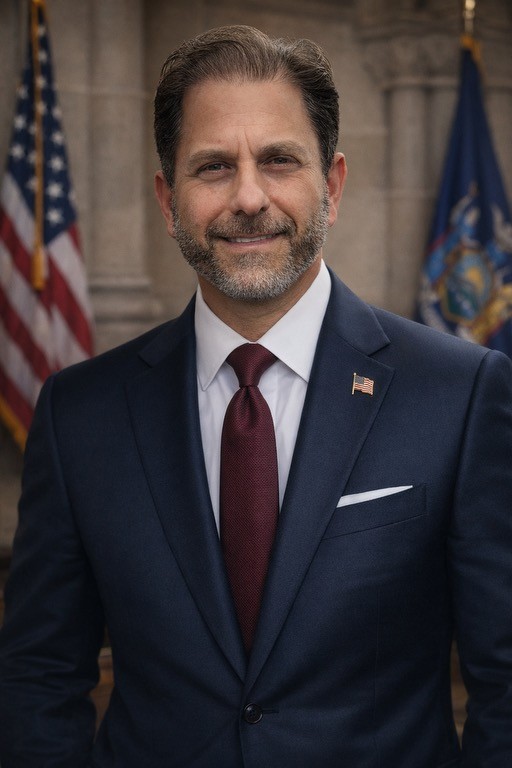
2025 Regular Session Introduced by Ari Brown

Strengthen NY's TBI program governance by broadening interagency consultation and adding diverse, expert TBI representation to a newly structured Traumatic Brain Injury Services Co

REFERRED TO HEALTH
0
WeVote Research Nonpartisan
Bill Summary · A 11313

Summary of Bill A.11313 (2025-2026) – New York

Purpose and intent

  • This bill amends the Public Health Law to clarify and expand the entities the Department of Health (DOH) must consult with regarding the Traumatic Brain Injury (TBI) program, and to modify the composition and appointment terms of the Traumatic Brain Injury Services Coordinating Council.
  • Overall aim: strengthen governance and interagency coordination for New York’s TBI program, ensuring input from relevant state agencies and diverse stakeholders, including persons with TBI.

Key provisions

  1. Consultation framework for the TBI program (Public Health Law §2740)

    • DOH remains the central authority for administering the TBI program and coordinating state policy on TBI.
    • DOH must consult with the following offices/agencies:
      • Office for People with Developmental Disabilities
      • Office of Mental Health
      • Department of Education
      • Office of Alcoholism and Substance Abuse Services (now renamed “Addiction Services and Supports” in the bill text)
      • Department of Social Services
      • Office for the Prevention of Domestic Violence
      • Department of Veterans’ Services
      • Office of the Advocate for the Disabled
      • Commission on Quality of Care for the Mentally Disabled
    • The list emphasizes a broad interagency approach to TBI policy and service coordination.
  2. Traumatic Brain Injury Services Coordinating Council – membership and structure (Public Health Law §2744)

    • The Council is established as the coordinating body for TBI services.
    • Mandatory members include:
      • DOH Commissioner
      • Commissioner of the Office for People with Developmental Disabilities
      • Commissioner of Mental Health
      • Commissioner of Education
      • Commissioner of Addiction Services and Supports (formerly “Alcoholism and Substance Abuse Services”)
      • Commissioner of Social Services
      • State Advocate for the Disabled
      • Executive Director of the Office for the Prevention of Domestic Violence
      • Commissioner of Veterans’ Services
      • Commission on Quality of Care for the Mentally Disabled
    • In addition to the above state officials, the Council includes five members appointed by the Governor (with specific representation for individuals with TBI and public stakeholders):
      • Of the five governor appointments: three with terms of 1, 2, and 3 years respectively (to stagger terms)
      • Two appointments by the Temporary President of the Senate: one with TBI experience and one public representative with TBI expertise
      • Two appointments by the Speaker of the Assembly: one with TBI experience and one public representative with TBI expertise
      • One appointment by the Senate Minority Leader: must be a person with TBI or a public expert
      • One appointment by the Assembly Minority Leader: must be a person with TBI or a public expert
    • Term lengths:
      • Governor-appointed members: terms of 1 year (3 members), 2 years (1 member), and 3 years (1 member)
      • Senate Temporary President appointments: terms of 2 years and 3 years
      • Assembly Speaker appointments: terms of 2 years and 3 years
      • Minority Leader appointments: 1-year terms
    • Vacancies are to be filled in the same manner as the original appointment, with subsequent terms of 3 years

Effective date

  • The act states that it shall take effect immediately upon enactment.

Potential impact and implications

  • Enhanced interagency collaboration: By codifying a broader set of consultative partners for the TBI program, the bill aims to ensure more comprehensive policy development and program delivery across health, education, social services, veterans’ services, domestic violence prevention, and disability advocacy sectors.
  • Broader stakeholder representation: The TBI Services Coordinating Council would include more direct input from individuals with traumatic brain injury and public advocates with TBI expertise, potentially improving consumer-focused decision-making and accountability.
  • Staggered terms and continuity: The structured term lengths for governor, legislative, and minority appointments are designed to balance continuity with periodic opportunities for renewal and fresh perspectives.
  • Administrative clarity: The updated reference to “Addiction Services and Supports” aligns with evolving state agency naming and reflects an integrated view of substance use treatment within TBI-related planning and services.

Who would be affected

  • State agencies and offices listed for consultation (DOH, OPwDD, OMH, NYSED, Addiction Services and Supports, DSS, OVDP, VETS, Office of the Advocate for the Disabled, QA Care for the Mentally Disabled).
  • Individuals with traumatic brain injury, their families, and advocacy groups who may be represented on the Coordinating Council.
  • Public stakeholders and experts with TBI experience may gain formal roles on the Council, potentially influencing policy, funding, and service coordination.

Procedural notes

  • The bill was introduced by the Rules Committee at the request of Assembly Members McDonald and Ari Brown, referred to the Health Committee, and subsequently passed in the Assembly before moving to the Senate.
  • Immediate effectiveness upon enactment means any changes in appointments or consultative obligations would take effect right away, subject to subsequent implementation steps by DOH and the coordinating council.

Compiled from official sources — confirm details with the bill’s official record.

Sign in to ask a question.