Summary — A1006: Relates to the minimum wage for employees with disabilities
Status and procedural history
- Bill Number: A1006 (Print Nos. A1006A / A1006B)
- Introduced: January 8, 2025
- Most recent actions: Amend and recommit to Ways and Means (4/28/2025; 5/22/2025); Print No. 1006B issued 5/22/2025
- Referred: Labor Committee (1/08/2025); reported to Ways and Means (3/18/2025)
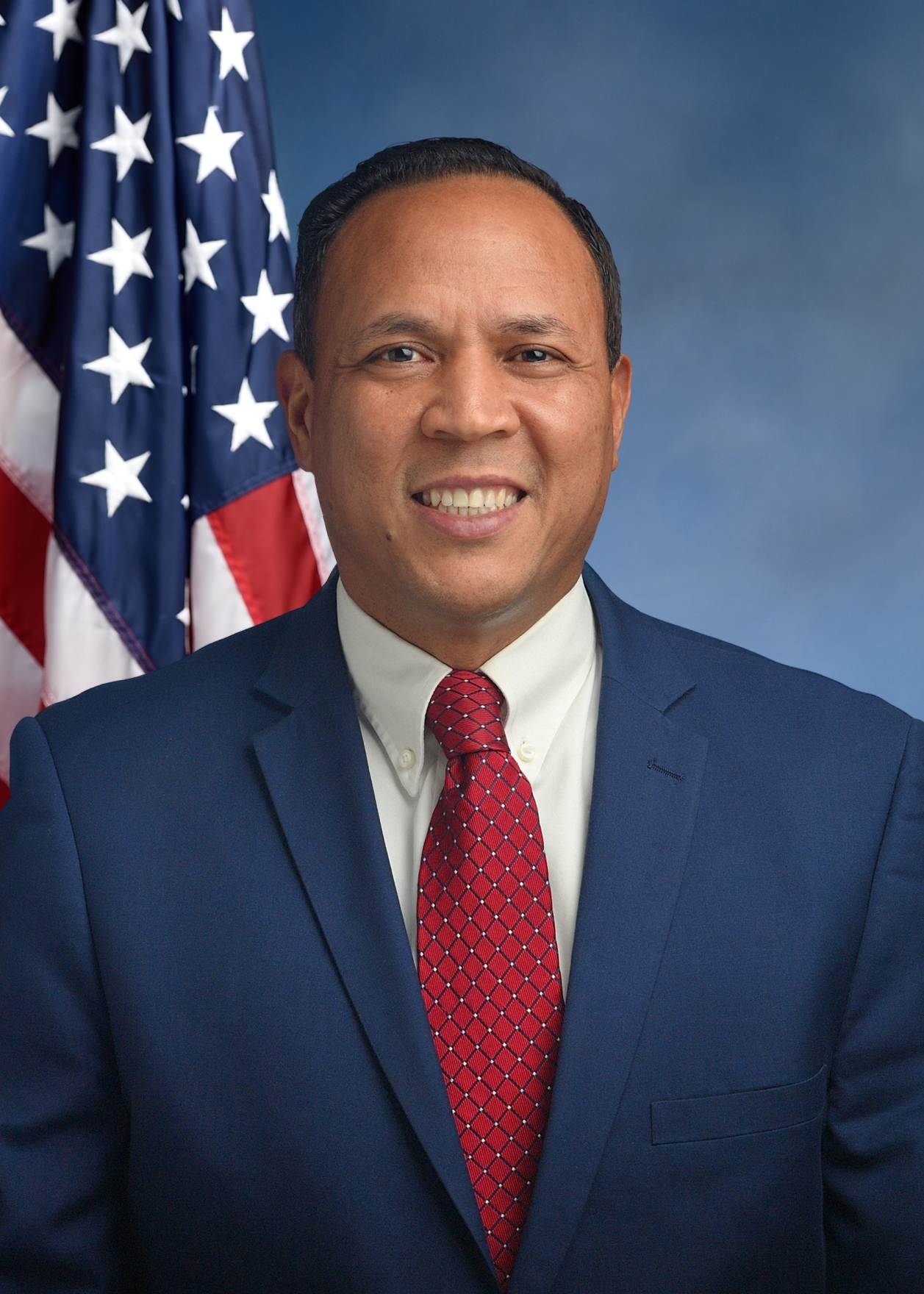
- Primary sponsor: Phil Steck (with numerous cosponsors listed)
- Related legislation: prior-session Assembly bills A3103, A4347, A7077, A11290; companion Senate bill S28
Purpose and intent
- The bill concerns the statutory minimum wage treatment for employees with disabilities in New York State. Its title indicates the legislature intends to change how minimum wage protections apply to workers with disabilities — most likely to modify or eliminate any statutory provisions that permit paying a subminimum wage to workers with disabilities and to align their wage protections with the State’s general minimum wage framework.
Key provisions (based on bill title and legislative context)
- The bill’s full text is not included in the materials provided. However, bills with this title typically include one or more of the following elements:
- Extend the full State minimum wage to employees with disabilities who currently may be paid less under special certificates or exemptions.
- Repeal or limit state-authorized subminimum wage certificates or authorizations (often analogous to federal Section 14(c) certificates).
- Establish a transition timeline for employers and programs (e.g., phased wage increases, deadlines to comply).
- Require state agencies (Labor Department, Office for People With Developmental Disabilities, etc.) to administer and enforce new wage requirements, including recordkeeping, reporting, and compliance audits.
- Provide technical assistance or funding for providers and sheltered workshops to support transition to higher wage obligations.
Who would be affected
- Workers: Employees with disabilities who currently work in settings where subminimum wages may be applied (sheltered workshops, certain nonprofit or vocational programs).
- Employers and providers: Nonprofit and for‑profit employers that hire and train people with disabilities, sheltered work programs, community rehabilitation providers.
- State agencies: Departments responsible for labor standards, disability services, and program oversight would have roles in enforcement, guidance, and possibly budgetary administration.
- Fiscal impact: Potential increase in labor costs for affected employers; possible state fiscal effects if the bill provides transition support or administrative enforcement resources.
Implementation and timeline considerations
- Multiple amendments and recommittals to Ways and Means indicate active revision; specific effective dates, phase‑in schedules, and enforcement mechanisms are determined in the bill text.
- Key implementation questions: whether the bill includes a phased compliance schedule, funding for transition assistance, or enforcement and penalty provisions.
Note and next steps
- The materials provided do not include the bill’s operative statutory language. For a precise, clause‑by‑clause analysis (exact wage changes, timelines, and enforcement provisions), review Print No. 1006B (latest) or request the full text PDF. I can produce a detailed, provision‑level summary once the full text is available.