

WeVote

Bill

Bill

A 10170

Relates to the development of fire science model curriculum for use by public high schools and boards of cooperative educational services

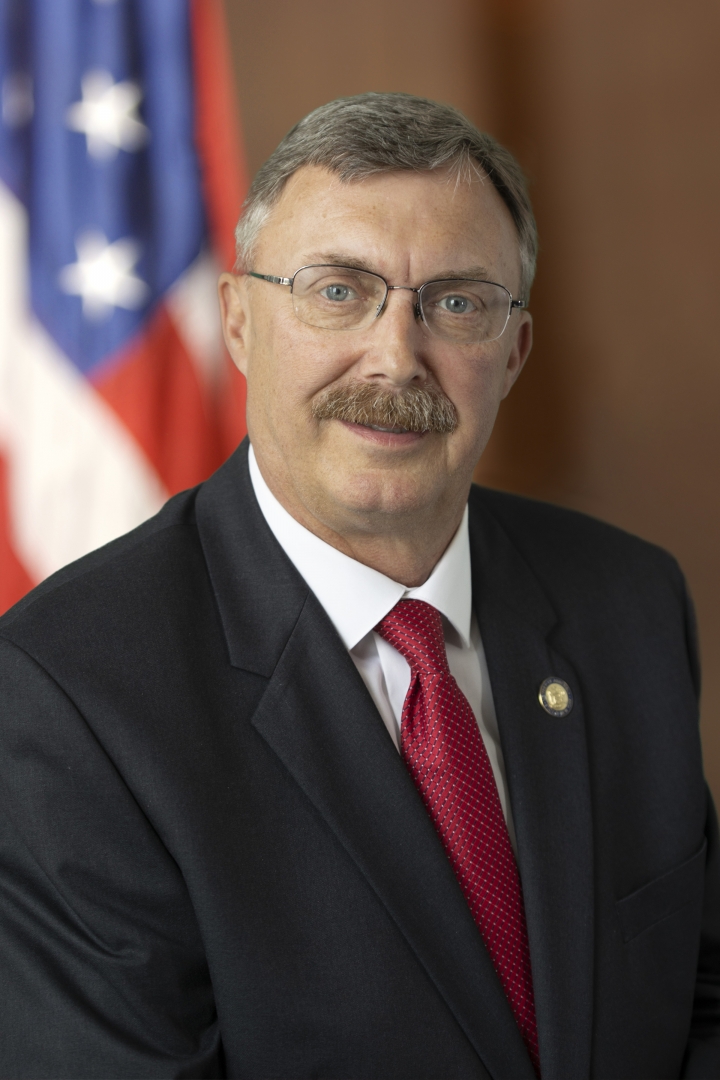
2025 Regular Session Introduced by Brian Miller and 2 co-sponsors

Establishes a two-year high school fire science CTE curriculum enabling juniors to earn Basic Exterior and Interior Firefighting Certificates through hands-on training.

REFERRED TO EDUCATION
0
WeVote Research Nonpartisan
Bill Summary · A 10170

Summary: Bill A 10170 (2025-2026) – Fire Science Model Curriculum for NY Public High Schools

Jurisdiction: New York
Sponsor: Assemblyman Smullen (co-sponsors: Tague, Miller)
Status: Introduced February 12, 2026; referred to the Committee on Education
Effective Date: 180 days after enactment

Purpose and Intent

  • Establish a new state framework to develop and implement a fire science model curriculum for public high schools and boards of cooperative educational services (BOCES).
  • Align high school career and technical education (CTE) offerings with standardized fire service training and certification pathways, enabling students to earn professional certificates while in high school.

Key Provisions

  1. Creation of a Fire Science Model Curriculum (Section 819)

    • The Commissioner of Education, in consultation with the Office of Fire Prevention and Control (within the Division of Homeland Security and Emergency Services), must develop a model fire science curriculum within six months of the law’s effective date.
    • Target audience: Public high schools and BOCES.
  2. Curriculum Structure and Content

    • The model curriculum is designed as a two-year, credit-bearing CTE elective course starting in the junior year.
    • It must incorporate learning standards set by the Commissioner in consultation with the Office of Fire Prevention and Control.
    • Must include hands-on learning opportunities to provide practical experience needed to obtain:
      • Basic Exterior Firefighting Operations Certificate, and
      • Interior Firefighting Operations Certificate (as recognized by the Office of Fire Prevention and Control).
    • Year-by-year certification outcomes:
      • Year 1: Students earn the Basic Exterior Firefighting Operations Certificate.
      • Year 2: Students earn the Interior Firefighting Operations Certificate.
    • Eligibility: Students must be at least 16 years old to enroll.
  3. Availability and Support

    • The Commissioner must make the model curriculum available to all public high schools and BOCES statewide.
    • The Commissioner must provide implementation guidance and technical assistance, including:
      • Sample applications for programs seeking approval under NY Education Law § 1950 (and related regulations),
      • Facility and equipment specifications,
      • Instructor qualification guidelines,
      • Advertising materials to promote participation,
      • Other guidance as approved in consultation with the Office of Fire Prevention and Control.
  4. Regional Partnerships and Student Pathways

    • A program to connect high schools with regional fire departments or other approved entities to run hands-on components, separate from BOCES.
    • Features of the program:
      • Maintain a registry of willing/qualified fire departments and entities,
      • Facilitate partnership agreements between high schools and partners,
      • Provide technical assistance to ensure curriculum delivery meets certificate standards (basic exterior and interior firefighting operations).
  5. Relationship to Existing BOCES Programs

    • Nothing in the bill overrides or changes the existing requirements for BOCES to obtain approval to offer CTE programs under § 1950 and related regulations.
  6. Rules and Implementation

    • The Commissioner, in consultation with the Office of Fire Prevention and Control, is authorized to promulgate rules and regulations necessary to implement the provisions of this section.

Who Would Be Affected

  • Public high schools in New York State.
  • Boards of Cooperative Educational Services (BOCES).
  • High school students (starting junior year, age 16+) who participate in the fire science model curriculum.
  • Fire departments and other approved entities that partner with high schools to deliver hands-on training.

Potential Impacts

  • Expanded access to formal fire science training and recognized firefighting certificates within high school curricula.
  • Creation of a statewide pathway from secondary education to early-fire service credentials.
  • Increased collaboration between schools and local fire departments, potentially strengthening local emergency response readiness.
  • Need for schools to meet specified facility, equipment, and instructor qualification standards to deliver the program.
  • States a clear two-year sequencing of certificates, potentially affecting scheduling and program budgeting.

Timeline Highlights

  • Model curriculum development: within six months of the act’s effective date.
  • Implementation: rollout after approval and availability of guidance; requires establishment of partnerships and adherence to specified certification requirements.
  • Effective Date: 180 days after enactment.

Compiled from official sources — confirm details with the bill’s official record.

Sign in to ask a question.