

WeVote

Bill

Bill

A 6941

Relates to the definition of the term prospective relative guardian

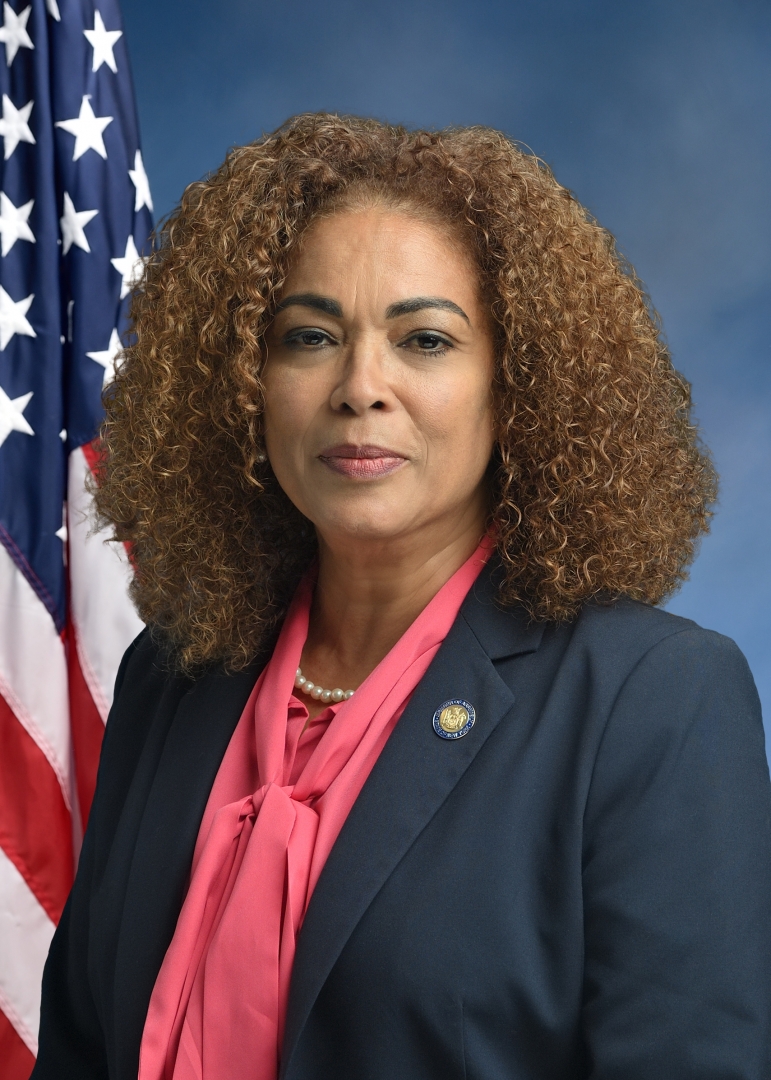
2025 Regular Session Introduced by Yudelka Tapia

Defines 'prospective relative guardian' to clarify who may become a kin guardian and speed up child placements through kinship guardianship processes.

REFERRED TO CHILDREN AND FAMILIES
0
WeVote Research Nonpartisan
Bill Summary · A 6941

Summary: Bill A 6941 — Relates to the definition of the term prospective relative guardian

Overview

  • Bill Number: A 6941
  • Title: Relates to the definition of the term prospective relative guardian
  • Status: Referred to the Committee on Children and Families
  • Introduced: March 18, 2025
  • Sponsor: Yudelka Tapia (primary)

Note: The text of the bill is not provided in the information available here. The summary below reflects what is known from the bill’s title, status, and sponsor, and reasons the measure may be pursued in the context of guardianship and child welfare policy.

What the bill would do (based on the title and typical legislative intent)

  • The bill aims to define the term “prospective relative guardian.”
    • This suggests a formal statutory definition to clarify who qualifies as a relative who is being considered or is in the process of becoming a guardian for a child.
  • By defining this term, the measure would likely address how such individuals are identified, evaluated, and treated within guardianship proceedings or related child welfare processes.
  • The definition could influence eligibility criteria, timelines, and procedures for relative guardianship placements, potentially affecting integration with existing guardianship or permanency planning rules.

Important: The exact provisions, qualifiers, and consequences of this definition (e.g., who counts as a “relative,” required assessments, rights during guardianship proceedings, or any limitations) are not provided in the available summary.

Who would be affected

  • Children in care who may be placed with or considered for guardianship by a relative.
  • Relatives who are seeking or being evaluated as potential guardians for a child.
  • Child welfare agencies and courts involved in guardianship determinations and permanency planning.
  • Probation/guardianship programs or related statutory processes that manage guardianship eligibility and placement.

Procedural and timeline aspects

  • Introduced: March 18, 2025.
  • Status: Referred to the Committee on Children and Families (listed twice in the actions provided).
  • The bill’s progress will depend on committee consideration, potential amendments, and eventual floor votes.
  • No specific hearing dates or deadlines are provided in the current information.

Key considerations and potential impact (note: contingent on final text)

  • Could reduce ambiguity by providing a clear definition, aiding timely placement of children with qualified relatives.
  • May influence rights and responsibilities of prospective relative guardians during adjudication and transition.
  • Could affect permanency outcomes by facilitating kinship placements when appropriate.
  • Fiscal impact and implementation details depend on the exact language (e.g., required assessments, training, court resources).

Next steps for stakeholders

  • Monitor for Committee hearings and amendments in the Children and Families committee.
  • Review the full text upon release to understand precise definitions, eligibility criteria, and procedural requirements.
  • Consider how the definition aligns with existing guardianship and permanency policies and any related funding or programmatic implications.

If you’d like, I can add a section once the bill’s text is available, detailing the specific statutory language and provisions.

Compiled from official sources — confirm details with the bill’s official record.

Sign in to ask a question.