

WeVote

Bill

Bill

A 10993

Relates to the appointment and responsibilities of the commissioners of the public service commission

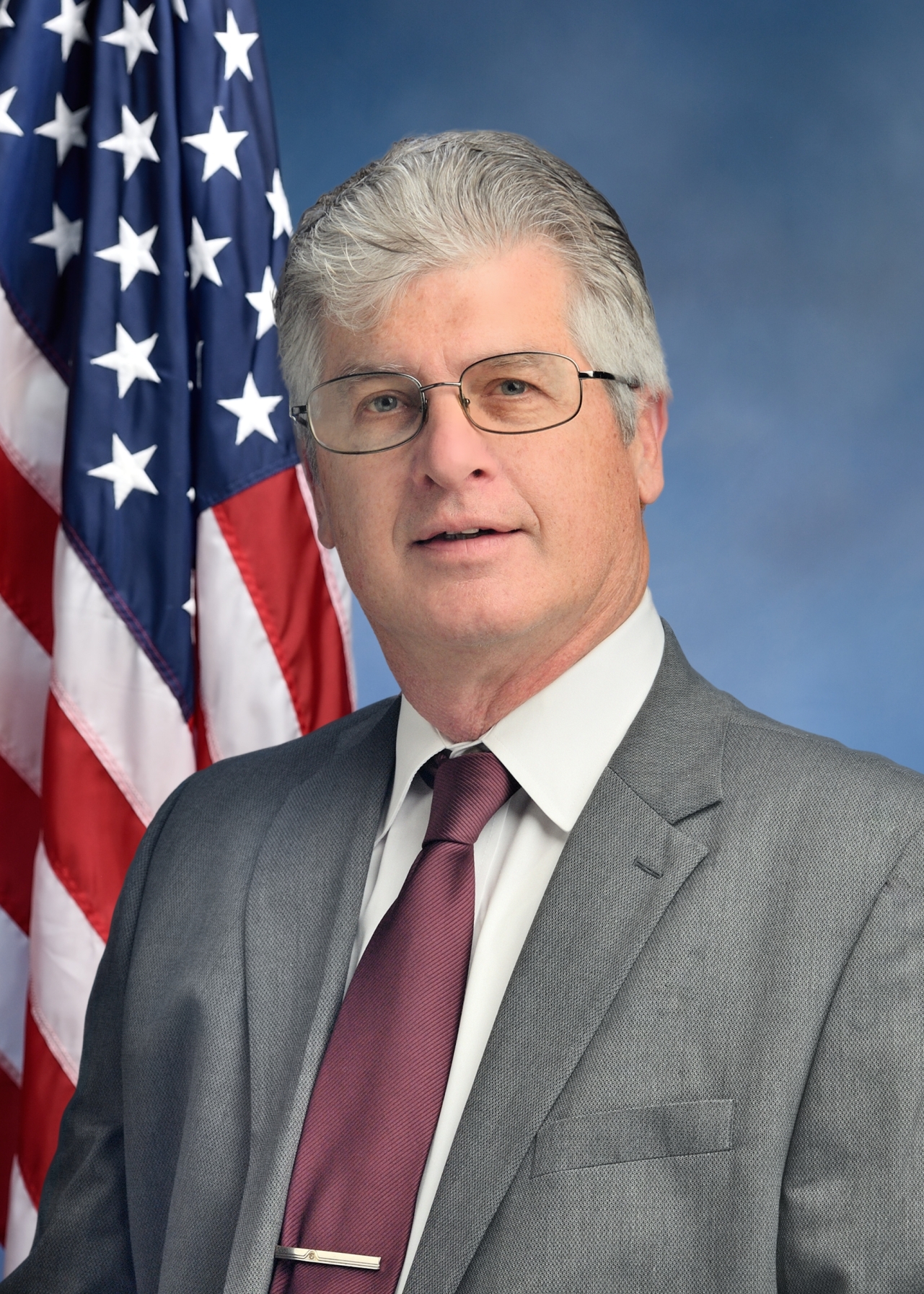
2025 Regular Session Introduced by Chris Eachus and 4 co-sponsors

Expands the Public Service Commission to eight members, adds stricter qualifications and ethics rules, and strengthens the duty to protect affordability, safety, and reliability fo

ADVANCED TO THIRD READING CAL.487
0
WeVote Research Nonpartisan
Bill Summary · A 10993

Overview

A. 10993, introduced in the New York Assembly (Session 2025-2026), proposes changes to the structure, qualifications, appointment process, and duties of the Public Service Commission (PSC) within the New York Department of Public Service. The bill aims to expand the commission from five to eight members (with potential for temporary expansion to seven) and to strengthen qualifications, representation, and the public-interest duty of the PSC.

Main purpose and intent

  • Increase commission size to eight members (with possible temporary expansion to seven under certain conditions) to broaden expertise and representation.
  • Enhance the pool of qualified commissioners with specific substantive experience requirements.
  • Reinforce the PSC’s duty to protect the public interest, with explicit emphasis on affordability, safety, reliability, and access to utility services for residential and business customers.
  • Institute stricter eligibility rules to prevent conflicts of interest and recent employment within regulated utilities.

Key provisions and changes

  • Commission size and appointment (Section 4):

    • The PSC shall consist of eight members appointed by the governor with Senate consent.
    • A chairperson will be designated by the governor to serve at the governor’s pleasure or until the term expires.
    • At least two commissioners must have experience in utility consumer advocacy.
    • For new appointments, the governor should strive to ensure representation across the maximum number of specified fields (beyond just two fields).
    • Party composition: generally, no more than three commissioners may be from the same political party, with exceptions if the commission temporarily expands (up to five for the party limit, and up to four for the same party in the expanded scenario).
  • Temporary expansion option (Section 4, subsection 2):

    • If the PSC certifies that additional commissioners are needed, the governor can appoint two extra commissioners, increasing membership to seven.
    • Terms of these extra commissioners follow the same rules as general commissioners during their terms; after expiration, appointments revert unless continued need is certified.
  • Terms and qualifications (Section 4, subsections 2 and 3):

    • Standard term for commissioners: six years, starting February 1 of the appointment year.
    • Commissioners serve on a full-time basis.
    • Vacancies are filled by the governor with Senate consent for the unexpired term.
  • New education and experience requirements (Section 4, subsection 4):

    • Appointments on or after July 1, 2022 must have education/training and three or more years of experience in fields such as economics, engineering, law, accounting, business management, utility regulation (including electric, gas, steam, telecommunications, water), public policy, consumer advocacy, or environmental management.
  • Public-interest duty (Section 4, subsections 3–4):

    • The PSC has a duty to protect the public interest, prioritizing affordable, safe, secure, and reliable utility access for residential and business customers.
    • Decisions and actions shall prioritize the best interests of utility consumers and affordability.
  • Oath and eligibility (Section 9):

    • Commissioners and officers must take the constitutional oath of office.
    • Ineligible to be a commissioner: any official relation to regulated entities, or ownership of stocks/bonds in such entities.
    • Specifically disqualifies individuals who, in the previous two years, were employed by an electric, gas, steam, telecommunications, or water utility regulated by the PSC.

Who is affected

  • The Public Service Commission itself (structure, membership, terms, and duties).
  • Prospective and current commissioners (qualification standards, terms, and conflict-of-interest rules).
  • Regulated utilities (electric, gas, steam, telecommunications, water) and their stakeholders, due to enhanced consumer-advocacy representation and stricter ethics rules.
  • The Governor and the Senate (appointment and confirmation process).

Procedural and timeline aspects

  • Effective date: immediate upon enactment.
  • Applies to commissioners appointed on or after the effective date.
  • If implemented, initial changes would increase the standard membership from five to eight, with the possibility of seven members during temporary expansion.
  • Oath and eligibility provisions apply to current and future commissioners, with new restrictions on conflicts of interest and recent employment.

Potential impact and considerations

  • Expanded diversity of expertise and broader consumer advocacy representation could affect regulatory emphasis and decision-making.
  • Stronger safeguards against conflicts of interest may enhance public trust in PSC actions.
  • Temporary expansion provides flexibility to address workload or complex regulatory matters, but may raise questions about long-term structure and political balance.
  • The emphasis on affordability and reliability signals a consumer-centered regulatory approach, potentially influencing rate cases, service quality standards, and infrastructure investments.

If you’d like, I can provide a side-by-side comparison with current law or prepare a quick briefing for specific stakeholders (consumers, utilities, policymakers).

Compiled from official sources — confirm details with the bill’s official record.

Sign in to ask a question.