

WeVote

Bill

Bill

S 6211

Relates to tax abatements for building owners in a city having a population of one million or more who complete exterior repairs

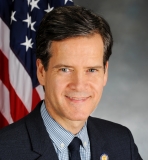
2025 Regular Session Introduced by Brad Hoylman-Sigal

NYC tax abatements would reward building owners for exterior repairs, aiming to boost safety, durability, and curb appeal on properties in New York City's 1M+ population.

REFERRED TO CITIES 1
0
WeVote Research Nonpartisan
Bill Summary · S 6211

Summary: S 6211 – Tax abatements for exterior repairs for NYC building owners

Overview

S 6211 is a New York State Senate bill introduced on March 6, 2025, that relates to tax abatements for building owners in a city with a population of one million or more who complete exterior repairs. The bill is currently in the committee stage, having been referred to the Cities committee (referred to Cities 1) on the same day it was introduced. The primary sponsor is Senator Brad Hoylman-Sigal. A companion bill exists in the Assembly (A 6992).

Purpose and intent

  • To create or expand a tax incentive aimed at encouraging building owners in New York City (the city with a population of one million or more) to complete exterior repairs.
  • The underlying goal appears to be improving building exteriors for safety, durability, and aesthetic reasons, while potentially stabilizing or stimulating the local real estate market and urban environment.

Key provisions (as described in the summary)

  • The bill would authorize tax abatements for building owners who complete exterior repairs on eligible properties within New York City.
  • Specific terms—such as which exterior repairs qualify, the size/maximum duration of the abatement, eligibility criteria, application requirements, reporting, and sunset provisions—are not detailed in the summary provided. The actual bill text would specify these elements, including any caps, performance standards, and compliance obligations.
  • The measure targets property owners in the NYC area (the city with population 1,000,000+).

Who would be affected

  • Primary: Building owners and their property management entities in New York City (the city with a population of one million or more).
  • Secondary: Possibly tenants and neighborhood stakeholders, given improvements to exterior conditions and building aesthetics; municipal finances could be affected depending on abatement terms.

Procedural and timeline aspects

  • Introduced: March 6, 2025.
  • Status: Referred to Cities 1 (Senate committee handling municipal affairs, infrastructure, and related issues).
  • Legislative actions listed for the date both show the same committee referral (suggesting the bill is at an early stage).
  • Related legislation: Companion Assembly bill A 6992 (listed twice in the summary; indicates cross-chamber interest and alignment with the Senate measure).

Related bills

  • A 6992 (companion) — Assembly counterpart to S 6211.

Potential impact and considerations

  • Fiscal impact: Abatements reduce local tax revenue in the short term; the bill would need details on abatement duration, percentage, and eligibility to assess net fiscal effects.
  • Housing and urban planning effects: By incentivizing exterior repairs, the bill could improve building safety, energy efficiency, and neighborhood aesthetics.
  • Administration and oversight: Effective administration would require clear application processes, eligibility verification, and annual reporting requirements.

Next steps

  • The text of the bill would provide precise eligibility criteria, abatement amounts and durations, application procedures, oversight mechanisms, and any sunset or renewal provisions.
  • If advanced, it would move through additional Senate committee reviews and eventually plenary consideration, with a parallel process in the Assembly via the companion bill A 6992.

Compiled from official sources — confirm details with the bill’s official record.

Sign in to ask a question.